Voters back abortion protections, reject many data center proposals
Abortion-related measures had mixed results on November 3, but voters in Nevada and Virginia approved constitutional protections, and Missouri voters rejected an effort to repeal protections adopted in 2024. Idaho voters turned down a reproductive-freedom amendment, making it the only one of the four states where opponents prevailed.
Nevada’s Question 6 was supported by 63 percent of voters with 85 percent of votes counted. Virginia Question 1 passed 62 percent to 38 percent. Missouri’s Amendment 3 failed, with 54.8 percent voting against it and 45.2 percent voting to repeal the existing amendment. Idaho Proposition 1 failed 56 percent to 44 percent.
Data center proposals appeared on local ballots in 10 states. Most measures opposing data center development passed, or measures favoring it failed, often by wide margins. Voters in Wilmington, Ohio, backed rezoning for a data center, while Granville voters rejected a proposed local ban. Harwood, North Dakota, also rejected a measure requiring independent review and a public hearing for large industrial projects.
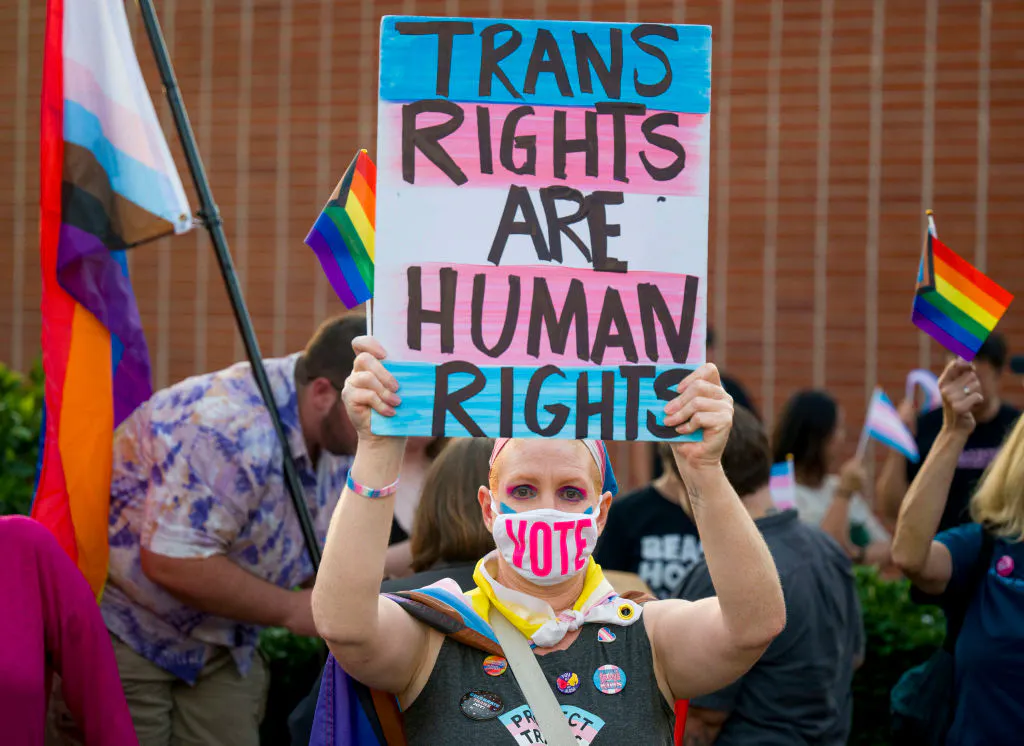
Measures restricting transgender students’ access to girls’ school sports teams passed or appeared likely to pass in Arizona, Colorado, Nebraska and Washington. Arizona’s Proposition 318 was approved by 59 percent with all precincts reporting. Nebraska’s measure passed with 68 percent, while Colorado’s was ahead 52 percent to 48 percent with 80 percent of precincts reporting.
Voters defend abortion rights as restrictive measures advance
Voters showed that abortion access remains broadly popular: Nevada and Virginia approved constitutional protections, and Missouri rejected an attempt to repeal its 2024 amendment. Idaho was the exception, rejecting a reproductive-freedom measure 56 percent to 44 percent.
Nevada’s Question 6 was winning 63 percent with 85 percent of votes counted. Virginia’s amendment passed 62 percent to 38 percent. In Missouri, 54.8 percent voted against repeal. Those results preserve protections for people seeking reproductive care, while Idaho’s loss leaves residents facing the state’s abortion ban. An Idaho advocacy leader warned that more doctors would leave and patients would continue to suffer under the ban.
Local voters also rejected most measures supporting data center development, with anti-development proposals generally prevailing. Wilmington, Ohio, backed rezoning for a data center, but voters in Alhambra, California, overwhelmingly supported a city ban, and voters in Edgewater, Florida, rejected new facilities.
Meanwhile, measures barring transgender students from girls’ school sports teams passed or were likely to pass in four states. Arizona approved its measure with 59 percent, and Nebraska’s passed with 68 percent. The results show how voters can support reproductive choice while state ballot campaigns advance restrictions on transgender students.
Voters reject Idaho abortion measure, back limits on girls’ sports
Idaho voters rejected Proposition 1 by 56 percent to 44 percent, turning back an effort to establish a constitutional right to abortion and other reproductive decisions. The result stands apart from Nevada and Virginia, where abortion protections passed, and Missouri, where voters rejected repeal of an existing amendment.
Nevada’s Question 6 had 63 percent support with 85 percent of votes counted, and Virginia Question 1 passed 62 percent to 38 percent. Missouri’s repeal proposal lost, with 54.8 percent voting against it. Even after these defeats, opponents of abortion rights argued that continued organizing and public education were needed to protect women and unborn children.
Voters in Arizona, Colorado, Nebraska and Washington approved or appeared likely to approve measures keeping school sports teams designated for girls and women closed to male students. Arizona’s measure passed with 59 percent, and Nebraska’s won 68 percent. Colorado’s proposal was ahead 52 percent to 48 percent with 80 percent of precincts reporting.
At the local level, most data center proposals also faced opposition. Voters in Wilmington, Ohio, supported rezoning to allow a facility, but many other communities rejected development or backed restrictions. The results reflect voters’ willingness to set limits on projects and policies they believe affect their communities.
Reported by Reason, Vox, NBC News, Deseret News.