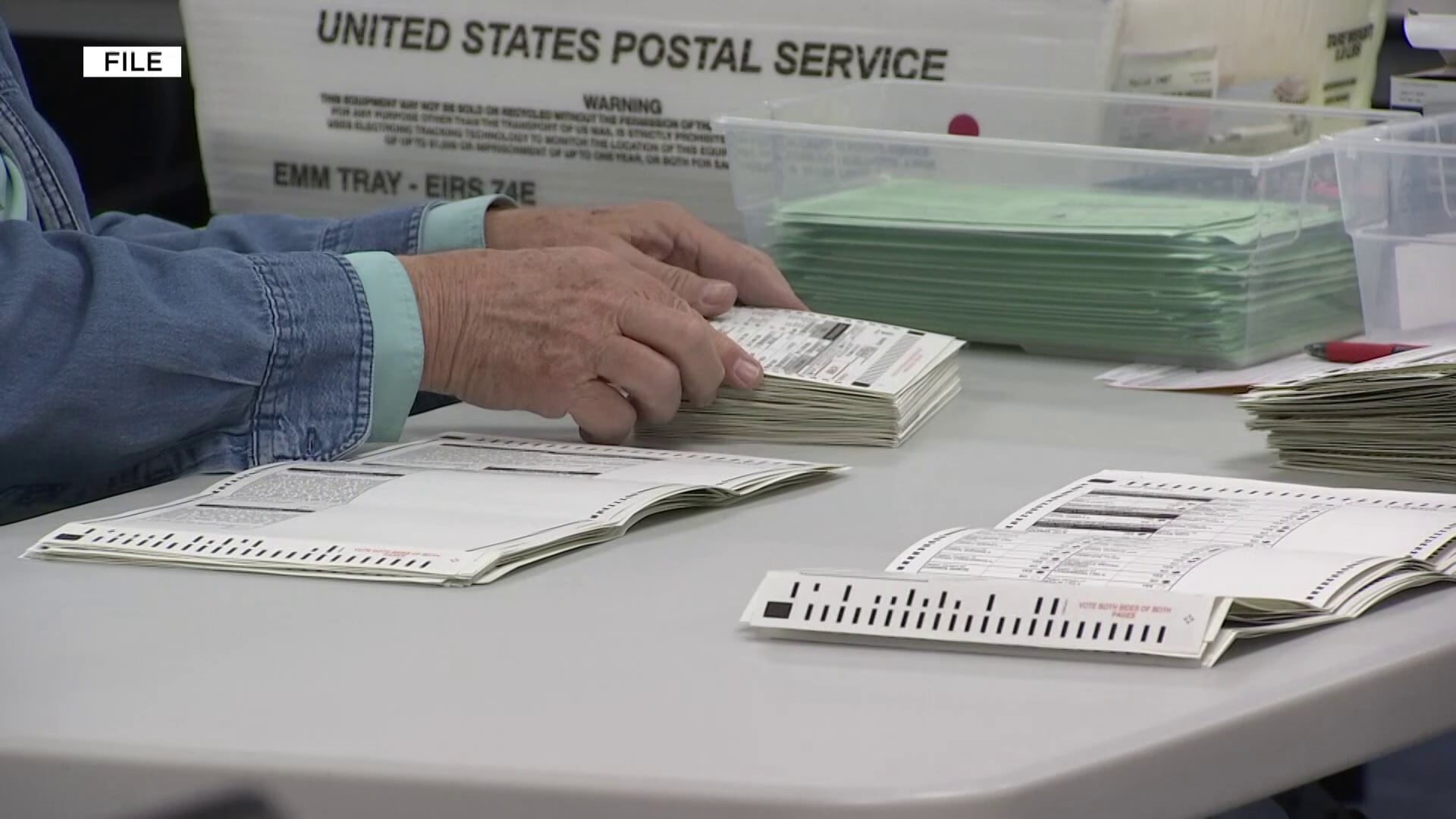
Arizona Mileage-Tax Ban Trails in Early Returns
Proposition 141 was trailing narrowly in early Arizona election returns on November 3, with 51% voting against it. Arizona ballot measures need more than half of the vote to pass, so the proposal would fail if the early split held.
The measure would prohibit the state from charging drivers taxes or fees based on how many miles they travel. It would also bar the state from tracking or limiting mileage without a driver’s consent. Interstate commercial vehicles and government vehicles would be exempt.
Supporters say the restriction would protect civil liberties and keep government from monitoring drivers, while arguing Arizonans already pay enough in taxes. Opponents say it could hinder the state’s ability to improve highways and leave electric-vehicle drivers without a way to pay their share toward road costs.
A mileage-based charge is one possible replacement for the gasoline tax, whose revenue is declining as more drivers switch to electric vehicles. Gas-tax money helps pay for road and freeway maintenance. The early count had not yet settled the measure’s outcome.
Arizona Mileage-Tax Ban Risks Road Funding as Gas Revenue Falls
Arizona voters were narrowly rejecting Proposition 141 in early returns on November 3, a measure that would prevent the state from taxing drivers according to miles traveled. With 51% voting no, the proposal was below the majority needed to pass.
The stakes go beyond a new fee. Revenue from the gasoline tax, which supports road and freeway maintenance, is falling as more drivers choose electric vehicles. A mileage-based charge is one potential alternative, but Proposition 141 would bar the state from pursuing it and prohibit mileage tracking or limits without consent.
Opponents warn that the measure could constrain highway improvements and make it harder to ensure electric-vehicle drivers contribute to road costs. Supporters emphasize privacy and say Arizonans already face enough taxes. The proposal exempts interstate commercial and government vehicles.
The early returns had not determined the result. If approved, the ban would restrict a funding option as the state grapples with declining gas-tax revenue; if the early opposition holds, that option would remain available for consideration.
Voters Push Back on Mileage Tracking and New Driving Taxes
Proposition 141 was narrowly behind in early Arizona returns on November 3, with 51% voting against a measure designed to stop the state from charging drivers by the mile. Ballot measures require a majority to pass, leaving the proposal short in the initial count.
The measure would bar taxes or fees tied to miles driven and prevent mileage monitoring or limits without consent. Its supporters argue that people already pay enough in taxes and that government should not track how far residents drive. Interstate commercial vehicles and government vehicles would be exempt.
Opponents say the restriction could weaken the state’s ability to improve highways and prevent electric-vehicle drivers from paying their share of road costs. But the gas tax, which funds road and freeway maintenance, is bringing in less as more people choose electric vehicles; mileage-based fees are one possible alternative.
The early count had not decided the measure. If it passes, Arizona would face limits on adopting that alternative, even as gasoline-tax revenue declines. Voters were still determining whether the proposal would clear the majority threshold.