Washington Voters Weigh Sex Rules for School Sports
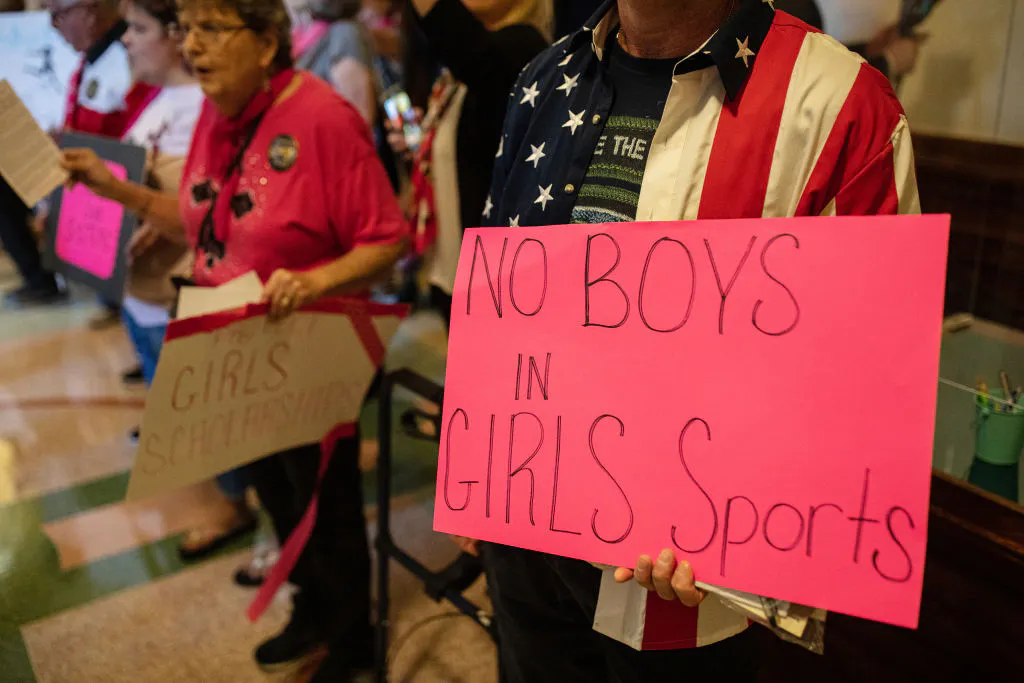
Washington voters are set to decide on November 3 whether to change the state’s rules for K-12 sports. Initiative 638 would bar students assigned male at birth from taking part in girls’ designated sports, including events against female students, and require female athletes to submit documentation verifying their biological sex as part of routine sports physicals. The measure identifies reproductive anatomy, genetic makeup or naturally produced testosterone levels as possible criteria for verification.
A yes vote would replace a policy that has allowed students to compete on teams matching their gender identity for nearly two decades. A no vote would leave current state law and athletic guidelines in place.
Supporters say sex-based categories are needed for fairness and competitive balance. Carol Brown, an Olympic rower who won bronze medals three times, said girls should not have to fight again for the athletic opportunities she gained after Title IX. Camas High School runner Holly Burns and 12 teammates drew attention on October 13 when they left a cross-country course to object to racing alongside a transgender athlete.
Opponents say the verification requirements could create medical, financial and privacy burdens for girls. Kelsey Gellner, a pediatric nurse, said hormone and DNA testing can be difficult to obtain and may not be covered by insurance. The Washington Interscholastic Activities Association says roughly 10 transgender girls who have publicly identified as such take part in school athletics across Washington annually, among more than 1.2 million public school students.
The measure has drawn support from conservative campaigners and opposition from a coalition that includes medical associations, school boards and local governments. The vote will determine whether Washington changes its existing approach.
Washington Initiative Could Put Medical Barriers in Girls’ Sports
Washington’s Initiative 638 would make every female student seeking to play school sports provide documentation of biological sex, turning a dispute over a small number of athletes into a new verification requirement for girls statewide. Voters will decide on November 3 whether to adopt the measure.
The initiative would bar students assigned male at birth from taking part in girls’ designated sports. Its supporters call that fairness, but opponents say the policy risks burdening all girls with medical, financial and privacy hurdles. Kelsey Gellner, a pediatric nurse, warned that hormone and DNA tests can be difficult to obtain and may not be covered by insurance.
The Washington Interscholastic Activities Association says roughly 10 transgender girls who have publicly identified as such play school sports across Washington annually, among a public school population of more than 1.2 million. That figure underscores the scale of the proposed response: a sweeping change to rules used across the state over a limited number of participants.
Supporters point to girls who objected to racing alongside a transgender athlete, including 13 Camas High School teammates who left a cross-country course on October 13. But opponents argue that schools should address participation thoughtfully rather than impose a medical-verification mandate on every girl.
A no vote would leave current law and athletic guidelines in place, including the policy allowing students to play on teams matching their gender identity. The choice is whether to protect access and avoid intrusive barriers, or replace that approach with the initiative’s blanket requirements.
Washington Voters Can Restore Sex-Based School Sports
Washington voters have a direct chance on November 3 to restore biological sex as the basis for girls’ school sports. Initiative 638 would keep students assigned male at birth out of girls’ designated events and require documentation of biological sex from female athletes.
For nearly two decades, state policy has allowed students to compete according to gender identity. Supporters say that approach can undermine fairness and competitive balance for girls. Carol Brown, an Olympic rower who won bronze medals three times, says the opportunities opened by Title IX should not be surrendered.
The concern has become visible in Washington schools. On October 13, Holly Burns and 12 Camas High School teammates left a cross-country course to object to racing alongside a transgender athlete. Their action reflects the pressure young athletes say they face when they speak publicly about fairness.
Opponents warn the initiative could burden girls with medical checks and testing. Yet the measure specifies possible criteria including reproductive anatomy, genetic makeup or naturally produced testosterone levels; it does not require genital examinations. The Washington Interscholastic Activities Association says roughly 10 transgender girls who have publicly identified as such take part in school athletics across Washington annually.
A yes vote would replace the current policy with sex-based categories and verification rules. A no vote would preserve existing law and athletic guidelines. The decision now rests with voters.
Reported by The Daily Wire, FOX 13 Seattle.