Iran Talks Continue as Threats Raise Fears of Renewed War
Iran’s delegation has left Qatar after discussions aimed at ending the war, but contact with Washington continues through mediators. A regional official said a draft proposal had been circulated for feedback and another meeting was being considered. Tehran is awaiting Washington’s most recent position on its plan, which would allow ships to pass through the Strait of Hormuz again within 48 hours if the U.S. fulfilled several requirements, among them ending its restrictions on Iranian ports.
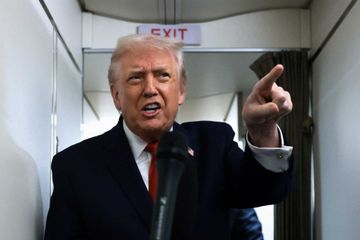
The diplomatic effort is unfolding amid concern that Washington and Israel might attack Iran after Tuesday’s U.S. midterm elections. President Donald Trump said he had a “very good” call with Israeli Prime Minister Benjamin Netanyahu on Saturday and that they discussed Iran, without giving details. Trump has alternated between expressing interest in talks and threatening military action.
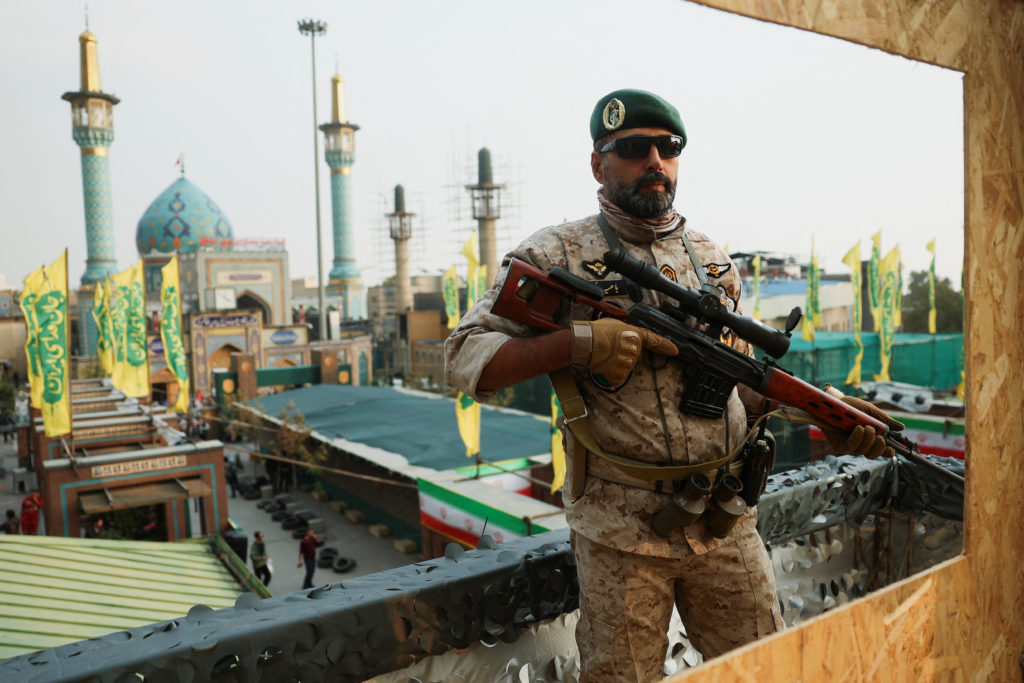
Iran’s new supreme leader, Ayatollah Mojtaba Khamenei, urged an immediate response to any U.S. or Israeli threat and called for expanding the list of potential targets. Security chief Mohsen Rezaei also warned of a forceful response, while saying the U.S. tone had changed in a positive way. Iran says its nuclear program is peaceful; Washington wants the nuclear issue included in new negotiations, while Tehran wants to address it later.
Regional officials warned of the consequences of renewed escalation. UAE presidential adviser Anwar Gargash said the U.S. and Iranian positions remained far apart, and Egypt’s foreign minister cautioned that another round would be more destructive. China plans to dispatch a representative to Iran, Oman and Saudi Arabia sometime from early to mid-November and has called for dialogue.
Diplomacy Is the Alternative to Another Destructive Iran War
The central issue is whether Washington and Tehran can turn continuing mediated contacts into a deal before the threat of renewed war becomes reality. Iran’s delegation left Qatar after discussions, a draft proposal is circulating for feedback, and another meeting is under consideration. Tehran awaits Washington’s newest position on a plan that would restore passage through the Strait of Hormuz within 48 hours, provided the U.S. ends its restrictions on Iranian ports.
The danger is sharpened by President Donald Trump’s alternating signals: he says he is pursuing talks while also threatening strikes. Trump said he had a “very good” call with Israeli Prime Minister Benjamin Netanyahu on Saturday, during which they discussed Iran. Concern has grown that Washington and Israel might launch an attack after Tuesday’s U.S. midterm elections.
Iran’s new supreme leader has called for an immediate response to threats and a wider list of targets. Those warnings underline how quickly a failure of diplomacy could deepen the conflict. UAE adviser Anwar Gargash said U.S. and Iranian positions remain far apart, while Egypt’s foreign minister warned another escalation would be more destructive and lead nowhere.
Washington wants nuclear questions addressed in any new talks; Tehran wants to defer them. China is planning a representative’s visit to Iran, Oman and Saudi Arabia sometime from early to mid-November and has called for dialogue. The stakes are regional: more attacks on commercial shipping were reported in October in the Strait of Hormuz, the busiest month for reported assaults there since March.
Iran’s Nuclear Threat and Strait Standoff Demand a Clear U.S. Response
Washington’s stated goal is to keep Iran from acquiring a nuclear weapon, and it wants that issue addressed in any new negotiations. Tehran wants to postpone it. That gap remains even as Iran’s delegation has left Qatar, a draft proposal circulates for feedback and communication continues through mediators.
Iran says it is awaiting Washington’s newest position on a plan that would restore passage through the Strait of Hormuz within 48 hours if the U.S. fulfills requirements that include ending its restrictions on Iranian ports. Meanwhile, Iran’s new supreme leader has called for an immediate response to any U.S. or Israeli threat and urged an expanded list of targets. Security chief Mohsen Rezaei warned of a severe response to an attack.
President Donald Trump said he had a “very good” call with Israeli Prime Minister Benjamin Netanyahu on Saturday and that they discussed Iran. Trump has also alternated between pursuing talks and threatening military action, as concerns grow that Washington and Israel might attack after Tuesday’s midterm elections. The call’s details were not disclosed.
The standoff carries risks beyond the negotiating table. More commercial-ship attacks were reported in the Strait of Hormuz in October than in any month since the opening weeks of the war. Gulf officials have warned that U.S. and Iranian positions are far apart, while China plans to dispatch a representative to Iran, Oman and Saudi Arabia sometime from early to mid-November and is urging dialogue.
Reported by The Philadelphia Inquirer, PBS NewsHour, New York Post.