Iran Offers Hormuz Reopening in Two Days if US Meets Demands
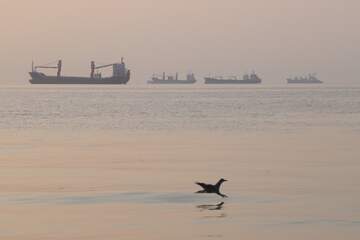
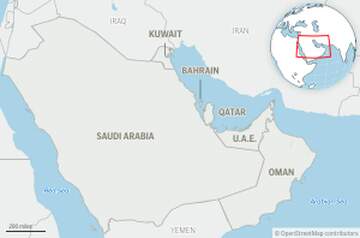
Iran said it could reopen the Strait of Hormuz within two days if Washington agrees to its conditions, as Qatar worked to advance negotiations aimed at preventing a return to war. The waterway, a major route for Persian Gulf oil and gas shipments, has been effectively closed since US and Israeli forces attacked Iran in February.
Diplomacy Could Reopen Hormuz as Trump Threatens More Strikes
Iran’s offer gives Washington a route toward reopening a crucial shipping lane and restarting negotiations, but the proposed conditions include lifting sanctions and making billions of dollars in blocked Iranian funds available. Qatar’s delegation arrived in Tehran on November 2 to pursue talks, as mediators pressed for a deal to avert renewed conflict.
The urgency is clear: more than 35 ships were attacked in October, the highest monthly total since the war began, and the strait’s closure has shaken energy markets and the global economy. Oil fell about 8 percent on November 2, to roughly $104 a barrel, amid signs of possible progress.
Yet President Trump has threatened that the United States could use force if a deal fails, and US and Israeli officials are preparing plans for renewed strikes after the midterm elections. Iran has warned it would widen its targets if attacked again. A diplomatic opening is on the table, but threats of further military action risk pushing the region back toward war.
Iran Conditions Hormuz Reopening on US Concessions
Iran has made reopening a vital shipping route conditional on major US concessions, including lifting sanctions and making billions of dollars in blocked Iranian funds available. The proposal does not put Iranian negotiators in direct talks with their US counterparts; Tehran says the conditions must be met before the negotiation process begins.
Qatari officials arrived in Tehran on November 2 to continue mediation, but the gap between the sides remains substantial. Iran has also said the United States must recognize an agreement with Oman on administering passage through the strait, while the two countries differ over when nuclear issues should enter any wider deal.
The stakes are not abstract: more than 35 ships were attacked in October, and the strait’s closure has disrupted energy markets. US and Israeli officials are preparing for possible renewed strikes after the midterm elections, while Trump has publicly threatened force. Washington must weigh the risks of accepting Tehran’s terms against the danger that another round of military action could intensify the conflict.
Reported by The Boston Globe, Townhall.