Oleshky Evacuees Reach Belarus in Rare Ukraine Truce
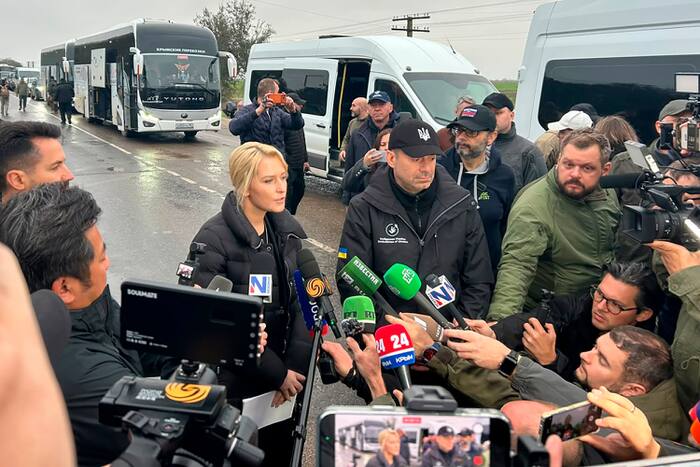
On October 31, evacuees from Russian-occupied Oleshky arrived in Belarus after a journey by bus and plane through Russia. The temporary ceasefire in Ukraine’s southern Kherson region began on Tuesday and was expected to last until Sunday evening, enabling the rare joint humanitarian operation between Russia and Ukraine. The remaining residents, estimated at about 2,000, had been offered evacuation to either Ukrainian- or Russian-held territory, or the option to stay with additional food and medical supplies.
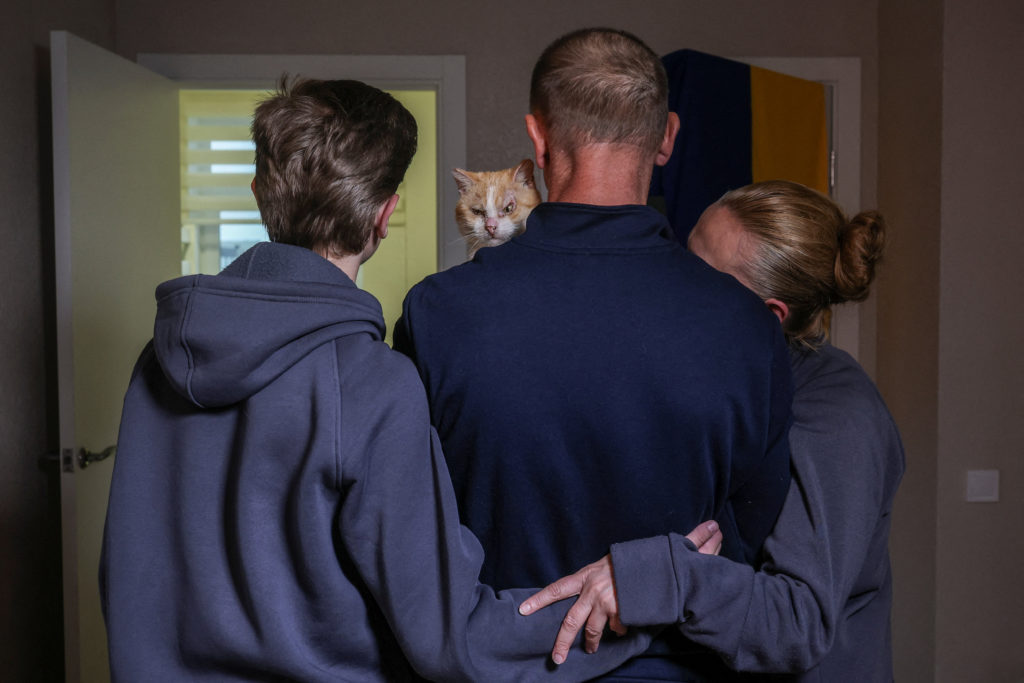
Four planes carried people bound for Ukraine to Homel, where relatives and aid workers waited near the border. Aid groups including the International Committee of the Red Cross, Doctors Without Borders and World Central Kitchen prepared food and assistance, including supplies for pets. Ukraine’s human rights ombudsman, Dmytro Lubinets, accompanied the evacuees. He said those rescued ranged in age from slightly over one year to 94, and expressed hope the arrangement could be used in other humanitarian emergencies.
Some residents chose to go to Russian-held territory and were taken to a temporary shelter in Simferopol, in Crimea. Neither country gave a total for those who left Oleshky; Melania Trump said the convoy could evacuate more than 750 people. Ukrainian families at the border awaited relatives they had been separated from for years.
The humanitarian effort unfolded amid continuing attacks. Ukraine’s president said Russian strikes had left 280,000 households without power and hit energy and rail facilities. Russia said it had downed 433 Ukrainian drones overnight; a Ukrainian drone attack in Russia’s Bryansk region killed two people and wounded five. The U.S. approved a proposed $2.1 billion sale of 500 Patriot interceptors for Ukraine, funded by Canada, Germany and Norway, though President Volodymyr Zelenskyy warned delivery could take years.
Oleshky Evacuation Shows What Humanitarian Truces Can Achieve
A rare, negotiated pause gave civilians from occupied Oleshky a route out of a city battered by war. On October 31, evacuees arrived in Belarus after traveling through Russia, with relatives and aid groups waiting near the Ukrainian border. The truce in Kherson region began Tuesday and was due to continue through Sunday evening.
About 2,000 residents had remained in Oleshky. They could leave for Ukrainian- or Russian-held territory, or stay with replenished food and medical supplies. Four planes brought evacuees bound for Ukraine to Homel. Ukraine’s human rights ombudsman, Dmytro Lubinets, said the rescued group included people aged from slightly over one year through 94 and hoped the effort could provide a model for future crises. Others chose to go to Russian-held territory, including a temporary shelter in Simferopol, Crimea. The number who left has not been specified; Melania Trump said more than 750 could be evacuated.
The need for civilian protection is underscored by the continued strikes on energy and transport systems. President Volodymyr Zelenskyy said attacks had cut power to 280,000 households. The United States approved a proposed $2.1 billion purchase of 500 Patriot interceptors, paid for by Canada, Germany and Norway, but Zelenskyy warned the weapons might take years to arrive. His call for partners to draw on existing stocks reflects the immediate stakes of a winter under attack: approval on paper cannot shield people without timely delivery.
Oleshky Rescue Offers Relief as War’s Civilian Costs Mount
A temporary ceasefire enabled civilians to leave Oleshky, but it did not end the danger of a war increasingly marked by attacks far from the front. On October 31, evacuees arrived in Belarus after traveling through Russia, with aid workers and relatives ready to help at the border. The Kherson-region truce began Tuesday and was expected to run through Sunday evening.
Oleshky’s roughly 2,000 remaining residents were offered a choice: travel to Ukrainian- or Russian-held territory, or remain with added food and medical supplies. Four planes brought people headed for Ukraine to Homel. Some residents instead chose Russian-held territory and were taken to a temporary shelter in Simferopol, Crimea. Authorities have not provided the total number who departed; Melania Trump said more than 750 could be safely evacuated. Ukraine’s human rights ombudsman said the group included evacuees ranging from infants to people aged 94.
The broader fighting continued as the humanitarian mission unfolded. Ukrainian authorities said Russian strikes left 280,000 households without electricity and hit energy and rail infrastructure. Russia said its forces shot down 433 Ukrainian drones overnight; a Ukrainian strike in Bryansk killed two people and injured five. Washington approved a proposed $2.1 billion Patriot interceptor purchase funded by Canada, Germany and Norway. Zelenskyy welcomed it but said delivery could take years, calling for weapons from existing stocks. The contrast is stark: diplomacy can create a brief passage to safety, while delayed defenses and continued strikes leave civilians exposed.
Reported by KPRC 2 Click2Houston, The Philadelphia Inquirer, New York Post.