Oleshky Ceasefire Delivered Aid as Ukraine Alleged Russian Military Buildup
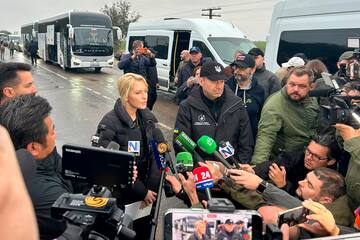
The temporary ceasefire in Oleshky ran from October 27 to November 1. It was brokered by U.S. first lady Melania Trump to allow humanitarian aid into the Russian-controlled city and help residents leave. Trump and officials from Russia and Ukraine described the effort as successful, with nearly 800 people evacuated.
The city’s residents had faced severe shortages of food, medicine and clean water. Before an aid convoy arrived on October 30, mines were cleared from roads into Oleshky, according to Russia’s human rights commissioner, Yana Lantratova. Ukraine’s human rights ombudsman, Dmytro Lubinets, said he and Lantratova were exploring further humanitarian initiatives.
After the truce expired, Ukraine’s military accused Russian forces of using the pause to rotate in troops, send ammunition and strengthen positions and anti-drone defenses near Oleshky. A Ukrainian official disputed the military’s accusation that Russia had tried to solidify its positions during the ceasefire.
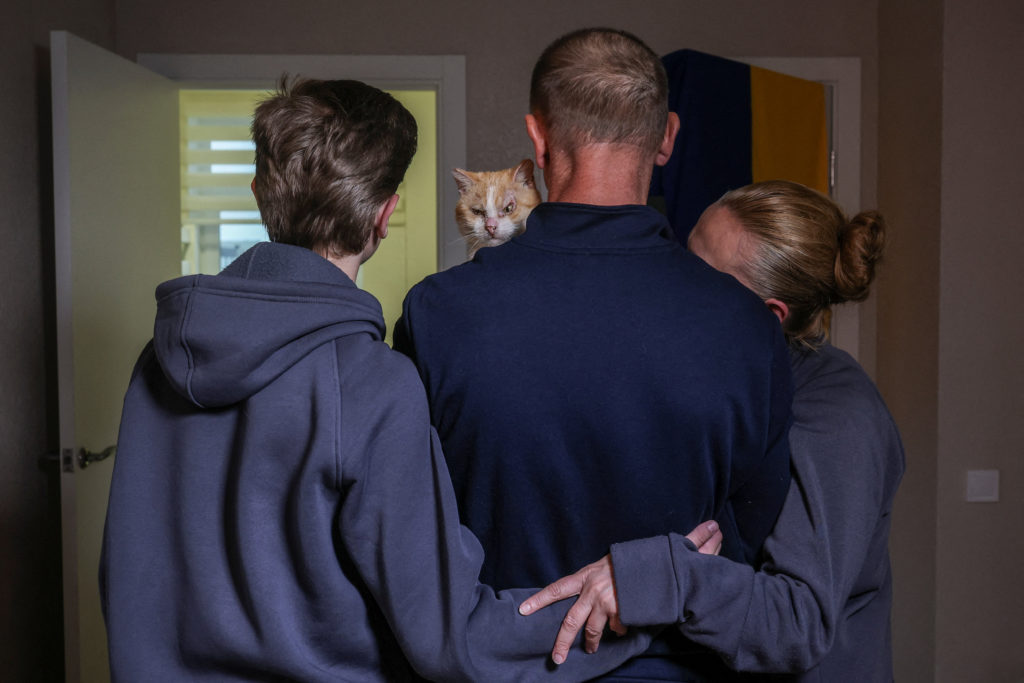
Oleshky has been under Russian control since Russia’s February 2022 invasion. Evacuees traveled through Crimea and the Russian town of Anapa before reaching Belarus and crossing into northern Ukraine. Ukrainian officials had voiced concern that residents taken to Russian territory might not be allowed to return. New three-way peace discussions involving the United States, Russia and Ukraine are expected in Abu Dhabi later in November.
Oleshky Aid Pause Raises Questions About Russia’s Conduct
The ceasefire in Oleshky offered a brief route for aid and civilians to leave a Russian-controlled city where residents had faced severe shortages of food, medicine and clean water. Nearly 800 people were evacuated during the October 27-November 1 pause, which Melania Trump helped broker.
But Ukraine’s military accused Russian forces of rotating in troops, delivering ammunition and strengthening positions and anti-drone defenses around Oleshky while the ceasefire was in effect. A Ukrainian official disputed the military’s claim that Russia had tried to solidify its positions during the pause, even as the allegations raise concerns about the limits of a humanitarian truce.
Russia has controlled Oleshky since its 2022 invasion. Under international humanitarian law, an occupying power has a duty to ensure vital goods and services reach civilians in the area. Ukrainian officials have also worried that residents taken to Russian territory might not be allowed to return; evacuees traveled through Crimea and Anapa before reaching Belarus and crossing into northern Ukraine.
Aid reached the city after mines were cleared from roads, and Ukraine’s human rights ombudsman said he was discussing further humanitarian efforts with his Russian counterpart. The immediate relief mattered, but protecting civilians requires more than a pause that leaves disputed military activity unresolved.
Melania Trump’s Oleshky Truce Delivered Aid and Evacuations
The Oleshky ceasefire showed what cooperation can accomplish: aid reached a Russian-controlled city facing acute shortages, and nearly 800 people were evacuated during the October 27-November 1 pause. Melania Trump brokered the effort, and officials from Russia and Ukraine described it as successful.
Roads were cleared of mines before an aid convoy entered the city. Ukraine’s human rights ombudsman, Dmytro Lubinets, said he was working with Russia’s human rights commissioner, Yana Lantratova, to explore additional humanitarian initiatives. Their cooperation offers a practical channel for helping civilians even as the wider war continues.
Ukraine’s military subsequently accused Russia of using the ceasefire to rotate troops, send ammunition and bolster positions and anti-drone defenses near Oleshky. A Ukrainian official disputed the military’s accusation that Russia tried to solidify its positions during the pause. The allegations do not erase the concrete humanitarian outcome of the operation.
Residents who left traveled through Crimea and the Russian town of Anapa to Belarus, then crossed into northern Ukraine. Further three-way discussions involving the United States, Russia and Ukraine are expected in Abu Dhabi later in November. The Oleshky effort has provided a limited but tangible example of cooperation that could support broader peace efforts.
Reported by Newsweek, Townhall, The Washington Examiner.