Ceasefire Opens Oleshky to Aid and Evacuations
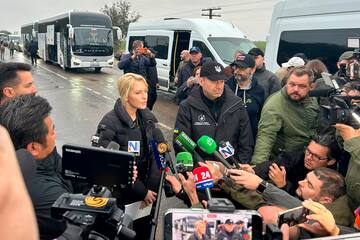
On October 30, Russian and Ukrainian officials entered the devastated, Russian-occupied city of Oleshky after demining teams cleared designated routes. The localized ceasefire in Ukraine’s southern Kherson region had held for four days and was scheduled to continue through November 1 evening to permit the operation.
A convoy assembled in Armiansk, about 85 kilometers south of Oleshky, with 25 buses, ambulances and aid supplies. Officials said food and medicine would be delivered, and residents wishing to leave could evacuate to Russia or Ukraine. About 2,000 people remain in the city, according to authorities and volunteers. Ukrainian ombudsman Dmytro Lubinets said people leaving were boarding buses; aid was also planned for those staying.
The two countries said residents could leave safely or remain and receive humanitarian support. A volunteer in contact with residents said roughly 1,000 had expressed to her that they wished to depart. She also said some feared interrogation or detention by Russian authorities and that Russian personnel were pressuring residents to go to Russia. The evacuation route was not disclosed; Ukrainian public television said people headed for Ukraine would travel north and enter through Belarus.
Two people were killed during the demining work. U.S. first lady Melania Trump helped broker the operation, and Pope Leo XIV had also urged the leaders to assist Oleshky. Fighting continued elsewhere: Russia’s Defense Ministry reported that its forces had brought down over 1,000 Ukrainian drones during the night, as Ukraine’s air force reported Russian launches of missiles and scores of drones.
Oleshky Civilians Need Protection Beyond a Temporary Truce
On October 30, a rare ceasefire opened devastated, Russian-occupied Oleshky to a joint humanitarian mission. The immediate priority is the safety and choice of civilians: officials say residents can leave for either country or stay and receive aid, but a volunteer says some residents face pressure to evacuate to Russia and fear interrogation or detention.
The convoy assembled in Armiansk with 25 buses, ambulances and supplies. About 2,000 people remain in Oleshky, and roughly 1,000 had told a volunteer they wanted to leave. The route for evacuations was not disclosed; Ukrainian public television said those going to Ukraine would have to travel north and enter through Belarus. Two people were killed while routes were being cleared of mines.
The ceasefire, brokered with U.S. first lady Melania Trump’s involvement, had held for four days and was due to last through November 1 evening. It offers a narrow opening for food, medicine and safe passage, not a resolution to the war. Fighting continued elsewhere, with both countries reporting large-scale drone and missile activity. The test of this operation is whether residents can actually receive help and make their own choice about where to go.
A Rare Russia-Ukraine Truce Delivers Aid to Oleshky
On October 30, a rare Russia-Ukraine humanitarian operation moved into Oleshky, bringing a practical measure of relief to a city devastated by war. The four-day localized ceasefire enabled officials to clear routes and begin an effort involving 25 buses, ambulances, food and medicine. It was scheduled to continue through November 1 evening.
About 2,000 people remain in the Russian-occupied city. Officials from both countries said residents could leave for Russia or Ukraine, while those who stay would receive assistance. Ukrainian ombudsman Dmytro Lubinets said people willing to leave were boarding buses. The mission was brokered with U.S. first lady Melania Trump’s involvement, and Pope Leo XIV also urged the leaders to help.
This operation shows the value of focused diplomacy that can produce concrete humanitarian access even while the war continues. The ceasefire does not end the fighting: both sides reported substantial drone and missile activity elsewhere. Nor is the evacuation free of concern. A volunteer said some residents feared Russian authorities and reported pressure to leave for Russia; two people were killed during route demining. Those realities make safe passage and delivery of aid essential as the truce continues.
Reported by The Philadelphia Inquirer, PBS NewsHour.