Evacuees Leave Russian-Occupied Oleshky During Local Truce
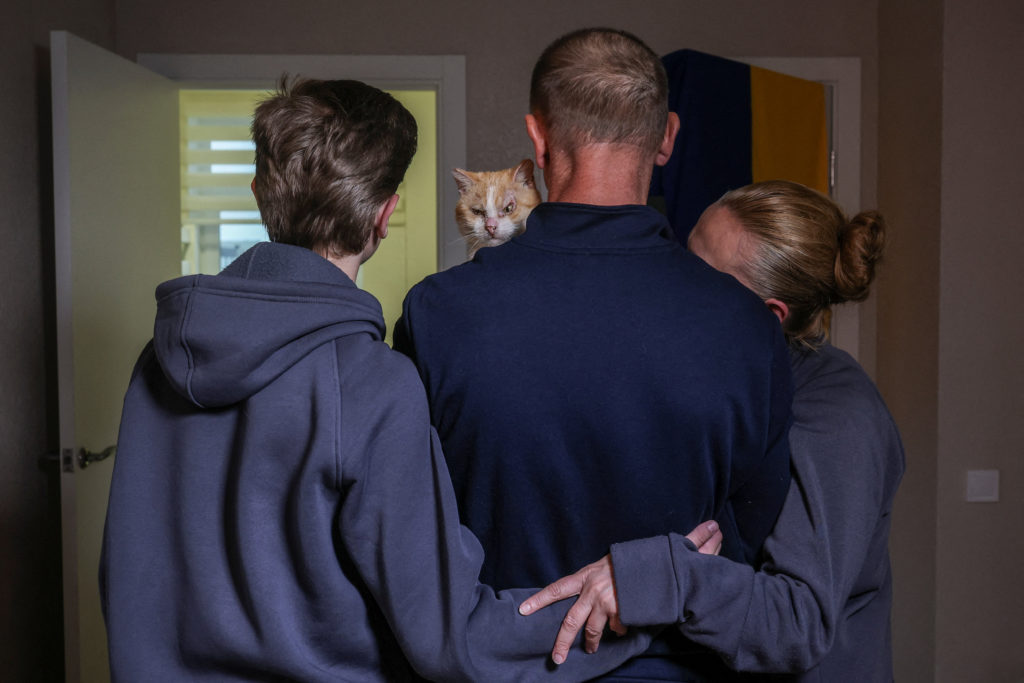
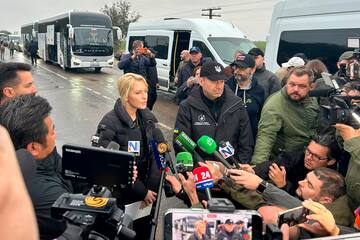
A convoy of 25 buses, ambulances and other vehicles reached Oleshky on October 30, bringing food and medicine and helping residents leave the Russian-occupied city. Ukrainian lawmaker Davyd Arakhamia said evacuees heading toward Ukraine had set out by road for Anapa in southern Russia, where they were to fly to Belarus and continue by bus to Ukraine.
The roughly 2,000 people still living in Oleshky were offered the choice of leaving for Ukrainian- or Russian-controlled territory, or staying with renewed supplies. Yana Lantratova, Russia’s envoy participating in the operation, said buses were additionally transporting residents wishing to make their home in Russia. The two governments did not give a final count of those who left; U.S. first lady Melania Trump said the convoy had capacity to bring over 750 people to safety.
The operation took place during a localized truce in the southern Kherson region, expected to last until November 1. The White House said Trump helped arrange the ceasefire and humanitarian effort. Pope Leo XIV also urged Russian and Ukrainian leaders to permit aid deliveries and civilian evacuations.
Some residents had feared being pressured to go to Russia or questioned by Russian authorities. Volunteer Ksenia Arkhipova said Russian military personnel were inspecting vacant homes and, in certain instances, occupying them. Officials said the city’s access routes had been cleared of mines by October 29; two people died during that work.
Fighting continued elsewhere. Russia’s Defense Ministry said it had brought down over 1,000 Ukrainian drones during the night, as Ukraine’s military aviation command reported Russian missile and drone attacks. Ukraine’s emergency services said a Russian drone strike in Shostka, in the Sumy region, killed one woman and injured eight people.
Oleshky Evacuation Offers Civilians a Route Out of Occupation
The evacuation from Oleshky offers a vital opening for civilians trapped in a Russian-occupied city, where residents were offered a choice to leave for either side or remain with replenished food and medicine. A convoy of 25 buses, ambulances and other vehicles arrived on October 30 during a localized ceasefire in southern Kherson.
Ukrainian lawmaker Davyd Arakhamia said evacuees bound for Ukraine were traveling first to Anapa in Russia, then by plane to Belarus and by bus toward Ukraine. Russia’s representative, Yana Lantratova, said other buses carried people who wished to live in Russia. The governments did not state how many residents left, though U.S. first lady Melania Trump said more than 750 could be evacuated safely.
The choices on offer come amid fears among residents. Volunteer Ksenia Arkhipova said Russian forces were inspecting vacant homes and, in certain instances, taking up residence there, and that some residents feared questioning or detention. Those concerns underline why a safe, voluntary evacuation matters; a route out should not become pressure to relocate to Russia.
The White House said Trump helped broker the truce and coordinate the mission, while Pope Leo XIV pressed both leaders to allow aid and evacuations. The ceasefire is expected to continue through November 1. Elsewhere, fighting persisted: Ukraine reported Russian missile and drone attacks, and emergency services said a strike in Shostka killed one woman and injured eight.
Melania Trump-Backed Truce Opens Evacuation Route From Oleshky
A negotiated pause in fighting has delivered a practical result in Oleshky: civilians can leave, and those who stay are to receive food and medical support. On October 30, a convoy of 25 buses, ambulances and other vehicles entered the Russian-occupied city as part of a joint humanitarian operation.
According to the White House, Melania Trump played a role in arranging the localized truce and organizing the mission. Pope Leo XIV also urged Russian and Ukrainian leaders to permit aid deliveries and evacuations. The ceasefire in southern Kherson is expected to remain in place until November 1, creating a limited window for residents to decide whether to go or stay.
Ukrainian lawmaker Davyd Arakhamia said evacuees heading to Ukraine were traveling to Anapa in southern Russia, then by plane to Belarus and onward by bus. Russia’s representative, Yana Lantratova, said other buses were taking residents who wanted to live in Russia. The two countries did not publish a final departure count; Trump said the convoy was able to get over 750 people to safety.
The operation shows the value of focused diplomacy that puts civilian needs ahead of rhetoric. Residents have been offered supplies if they remain, while those who choose to leave have a route out. That limited progress stands in stark contrast to continued attacks elsewhere, including a drone strike in Shostka that Ukraine’s emergency services said killed one woman and injured eight.
Reported by The Philadelphia Inquirer.