Justice Department Appeals California Ballot Ruling
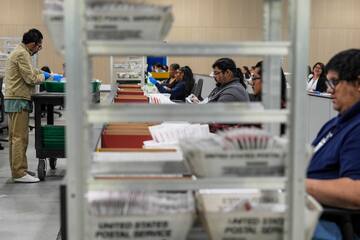
The Justice Department is asking the 9th U.S. Circuit Court of Appeals to intervene after federal judge David O. Carter turned down its request to keep California from counting up to 20,000 ballots associated with people the federal government suspects are not U.S. citizens. The appeal, filed on October 28, seeks an emergency order as election officials continue processing votes ahead of the November 3 midterm election.
Carter said separating the ballots could disenfranchise eligible voters and disrupt election procedures. He also questioned the federal list because both sides acknowledged that some citizens had been included by mistake. Once ballots are processed, California’s system does not allow them to be traced back to individual voters, court filings said.
This is the second time the 9th Circuit has considered the administration’s request. A three-judge panel rejected its earlier appeal as premature, before Carter had ruled. Two judges also questioned the list’s accuracy and the risk to eligible voters; the third dissented, arguing the ballots should be vetted before counting.
The Justice Department says California failed to review the flagged names within a 48-hour deadline and argues that processing the ballots could leave no effective remedy if its allegations are proven. Carter said federal authorities could pursue suspected cases through criminal prosecutions. The department has charged more than two dozen foreign nationals in California in a broader investigation into alleged illegal registration or voting.
Carter must still decide the government’s renewed request for a preliminary injunction. The appeal sets up another emergency court fight over the ballots as Election Day approaches.
Court Rejects Federal Push to Set Aside California Ballots
The Trump administration is pressing ahead with an effort to halt the processing of up to 20,000 California ballots, even after a federal judge rejected its request and an appeals court had already turned away an earlier bid. The Justice Department filed another appeal on October 28, seeking emergency intervention from the 9th Circuit before the November 3 midterm election.
Judge David O. Carter said the federal government’s approach risked disenfranchising eligible voters and disrupting the election. The Justice Department’s list may include citizens by mistake, both sides acknowledged, and ballots cannot be traced back to individual voters after processing. That makes a last-minute effort to separate them especially risky, Carter reasoned.
Two judges on the earlier appeals panel likewise questioned the list’s accuracy and the prospect of wrongly setting aside votes. The dissenting judge argued that California should vet the ballots before counting them. The dispute now tests whether federal officials can force a state to change election procedures so close to voting day.
The Justice Department argues that California failed to review flagged names within 48 hours and that processing the ballots could make an effective remedy impossible. Carter said criminal prosecutions remain available for suspected cases; federal authorities have charged more than two dozen foreign nationals in a broader California investigation. The court must still consider the government’s renewed request for an injunction, while the state continues processing votes.
California Ballot Dispute Puts Election Integrity Before Courts
The Justice Department is asking the 9th Circuit to stop California from processing up to 20,000 ballots it says may be tied to noncitizens. With the November 3 midterm election close and ballots continuing to be processed, the department argues that waiting could make it impossible to separate disputed votes later.
A federal judge rejected the request, warning that setting aside ballots could disenfranchise eligible voters and disrupt the election. The administration’s concern, however, is that votes from people who are not citizens could be counted before the allegations are resolved. One judge who dissented in the earlier appeals-court proceeding also argued that the ballots should be vetted before counting.
The Justice Department says California failed to review the flagged names within a 48-hour deadline and that preventing suspected fraudulent voting is in the public interest. The administration also maintains that delaying tabulation while citizenship is checked would not disenfranchise voters, a claim county election officials dispute.
The earlier appeals panel rejected the department’s first request as premature because the district judge had not yet ruled. Carter has now rejected the request but must still decide whether to issue a preliminary injunction. The Justice Department’s latest appeal asks the appeals court to step in as processing continues, while federal authorities pursue criminal cases in a broader investigation into alleged illegal registration and voting.
Reported by New York Post, The Philadelphia Inquirer, Los Angeles Times.