Trump removes South Africa and Rwanda from AGOA
The Trump administration is removing South Africa and Rwanda from the African Growth and Opportunity Act, a U.S. program that gives eligible African countries duty-free access for some exports. The decision follows an annual review and takes effect on January 1, 2027. More than 30 African countries currently participate in AGOA, established in 2000.
U.S. Trade Representative Jamieson Greer cited barriers to U.S. trade and investment and practices the administration considers threats to its security and foreign policy interests. The U.S. statement also cited corruption in South Africa; concerns about Rwanda included legal institutions, diverse political participation and respect for individual rights. The administration did not provide specific examples of the cited barriers or security concerns in its statement.
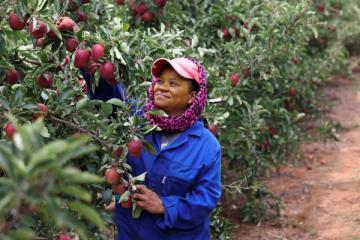
South Africa is AGOA’s largest beneficiary. It exported about $1.7 billion in goods through AGOA in 2025, among them cars and farm goods. Rwanda’s U.S. imports totaled about $44 million in 2025. Regular commerce will go on, although some affected goods may cost more. South African supply chains also link some neighboring countries, including Lesotho and Botswana, to exports under the program, potentially extending the economic effects and putting jobs at risk.
South Africa’s trade minister said the decision did not define the wider relationship and that the country would keep pursuing trade and investment with the U.S. The ministry said South Africa had offered concessions and objected to new issues being raised. The U.S. ambassador to South Africa said the decision followed the government’s rejection of U.S. concerns. The administration said the countries could regain eligibility if they meet the program’s criteria.
AGOA cuts put African trade and jobs in the crossfire
The Trump administration is turning access to a major U.S. trade program into leverage against South Africa and Rwanda, with consequences that could reach workers and businesses across the region. Both countries will lose eligibility for the African Growth and Opportunity Act on January 1, 2027, after a U.S. review.
South Africa, the program’s biggest beneficiary, shipped about $1.7 billion in goods through AGOA in 2025. Rwanda’s exports are much smaller, but the decision comes amid U.S. sanctions over the conflict in eastern Congo. South African supply chains also connect countries such as Lesotho and Botswana to exports covered by the program, meaning the effects could spread beyond the two governments targeted.
The administration points to trade barriers, security and foreign policy concerns, and, in South Africa’s case, corruption. But the U.S. statement did not detail the specific barriers or security concerns. South Africa’s trade ministry said it had offered concessions and criticized Washington for raising new issues. The U.S. ambassador said the suspension followed South Africa’s rejection of U.S. concerns.
South Africa’s government says it will continue pursuing trade and investment with the United States. The administration says either country could return to the program by meeting its eligibility standards. The immediate stakes are higher costs for affected exports and potential damage to employment and regional commerce.
U.S. enforces AGOA standards against South Africa and Rwanda
The Trump administration is making clear that access to the U.S. market without tariffs comes with conditions. South Africa and Rwanda will be removed from the African Growth and Opportunity Act starting January 1, 2027, after an annual review found their policies inconsistent with the program’s criteria.
U.S. Trade Representative Jamieson Greer cited barriers to American trade and investment and practices the administration views as threats to U.S. security and foreign policy interests. The concerns listed for South Africa also include corruption; those involving Rwanda include legal institutions, diverse political participation and respect for individual rights. The administration did not give specific examples in its statement.
The decisions come amid strained relations with both governments. Washington has sanctioned Rwanda’s defense ministry over alleged support for M23 rebels in eastern Congo. In South Africa’s case, the U.S. ambassador said the suspension followed the government’s rejection of U.S. concerns, including demands for policy changes. South Africa’s trade ministry said it had offered concessions and objected to new issues being raised.
AGOA offers eligible countries duty-free treatment on some exports, but participation depends on meeting its standards. South Africa exported about $1.7 billion in goods through the program in 2025, while Rwanda’s U.S. imports totaled about $44 million last year. The administration says the countries can regain eligibility if they meet the criteria.
Reported by The Philadelphia Inquirer, WTOP, Semafor.