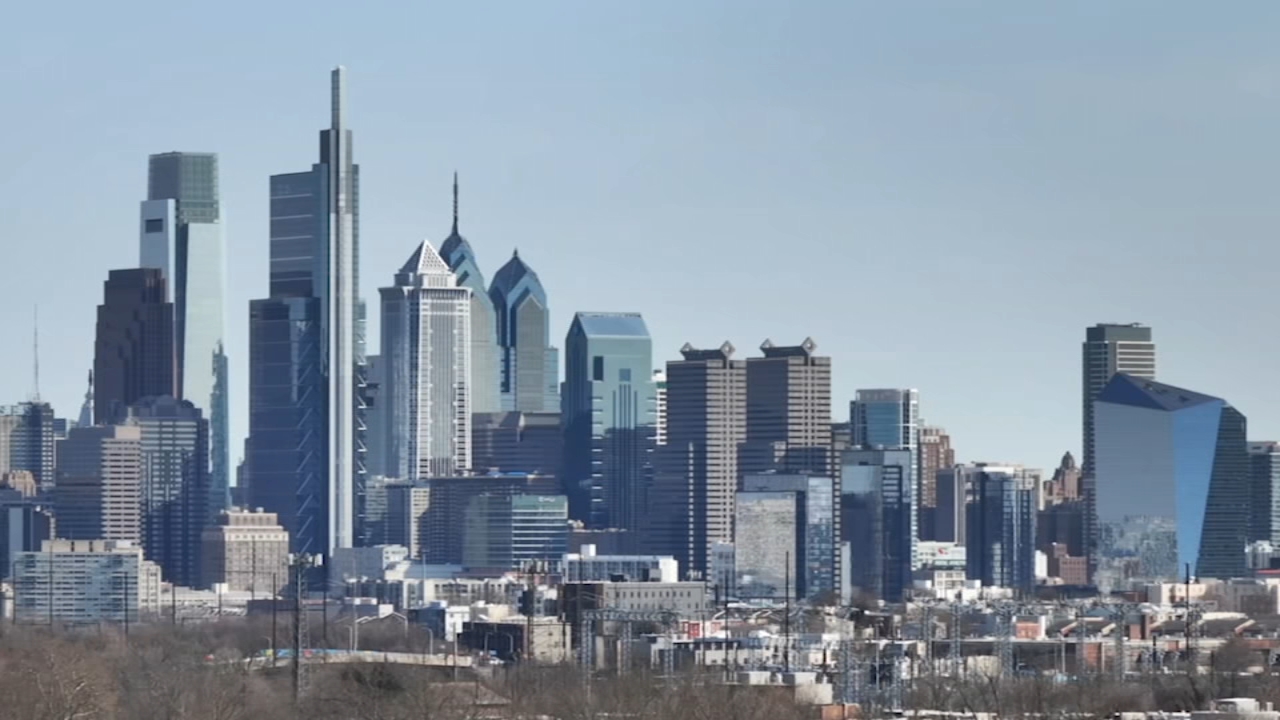
Philadelphia Returns to Top of Big-City Poverty Rankings
Philadelphia’s poverty rate rose to 20.4% in 2025, returning the city to the top of the large-city rankings after Houston led in 2024. New York and Houston were tied for second at 17.7%, according to U.S. Census Bureau data released on October 30. The national poverty rate was 10.2%.
The Philadelphia figure was the city’s first increase since 2011, when its rate reached 28.4%. After years of decline, the rate has remained near 20% since 2023. Analysts cautioned that small annual changes can reflect survey sampling, and said the longer-term pattern is largely flat. They also raised concerns that heightened immigration enforcement could make some immigrant households less likely to participate in surveys.
Mayor Cherelle Parker said the rate was unacceptable and pointed to the cost of essentials such as food, fuel and clothing. The city’s median income was $67,400. For a family of four, the 2025 poverty threshold was roughly $32,750.
A Philadelphia policy expert said affordability challenges extend beyond the poverty measure, including the effects of federal cuts to food assistance, Medicaid and housing support as essential costs rise. Pennsylvania has assumed a larger share of SNAP funding, and more than 200,000 residents have lost eligibility since the summer. The city is also pursuing housing initiatives, including a mortgage program for first-time buyers with poor credit.
Philadelphia’s Poverty Stagnation Raises Alarm as Support Faces Cuts
Philadelphia’s return to the top of the big-city poverty rankings underscores how little progress the city has made in easing hardship: its rate has hovered near 20% since 2023. Census data released on October 30 put the 2025 rate at 20.4%, above New York and Houston, both at 17.7%.
Mayor Cherelle Parker said many residents cannot afford groceries, gasoline and clothes. The city’s median income was $67,400, while the poverty threshold for a family of four was roughly $32,750. Analysts cautioned against reading too much into a single year’s change, but the extended plateau is a serious concern.
The wider affordability picture matters too. A Philadelphia policy expert warned that reductions in federal food, Medicaid and housing support could leave families struggling to meet basic needs as prices rise. More than 200,000 Pennsylvanians have lost SNAP eligibility since the summer, while the state has taken on a greater share of program funding. The city’s housing initiatives are intended to help, but the poverty figures show the scale of the challenge remains substantial.
Philadelphia’s Poverty Rate Shows the Need for Affordability Action
Philadelphia’s 20.4% poverty rate puts the city back atop the big-city rankings, ahead of New York and Houston at 17.7%. The figure, released on October 30, marks the city’s first increase since 2011, though analysts say the rate has been essentially flat near 20% for the past three years.
The mayor called the result unacceptable and said the cost of basic goods is a real affordability problem. Philadelphia’s median income was $67,400, and the poverty threshold for a family of four was roughly $32,750. The city’s housing plans include an $800 million initiative intended to expand housing stock and a mortgage program for first-time buyers with poor credit.
Year-to-year survey changes may reflect sampling, analysts cautioned, so the ranking alone should not dictate policy. But the persistent rate demands attention to whether residents can afford essentials and find economic opportunity. Pennsylvania has taken on a greater share of SNAP funding, and more than 200,000 residents have lost eligibility since the summer. The city’s efforts will have to address a problem that extends beyond a single census measure.
Reported by The Philadelphia Inquirer, Daily Mail US.