Iran War’s Fuel Costs Put Senate Races Under Pressure
The Iran war, now in its ninth month, has damaged energy infrastructure in the Middle East and left uncertainty over the Strait of Hormuz. Oil prices have stayed high, raising costs for American households and putting the war’s economic effects at the center of several tight midterm contests. The Center for American Progress estimates the conflict has cost each U.S. household at least $1,200.
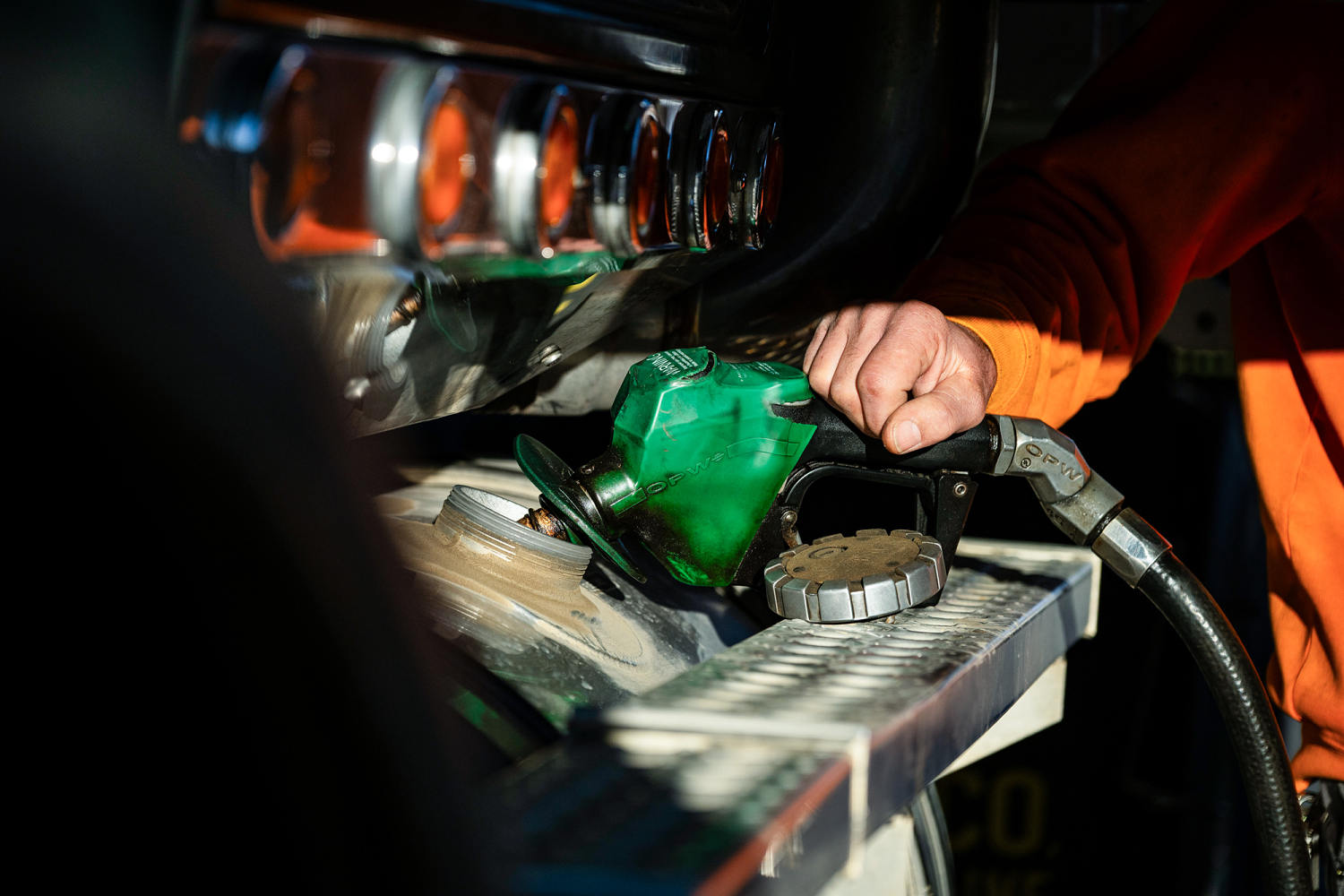
In Texas, diesel prices have climbed more than 80% from a year ago and run roughly 10% higher than the U.S. norm, based on AAA figures. Gov. Greg Abbott declared a state of emergency over diesel costs. His challenger, Gina Hinojosa, has urged him to suspend the state diesel tax. Senate candidates James Talarico and Ken Paxton have also clashed over fuel prices and a possible federal tax suspension.
In Maine, heating oil serves more than half of households, and prices are nearly twice last year’s level. Republican Sen. Susan Collins faces Democrat Troy Jackson, while the White House has released heating oil reserves to temporarily ease prices. Mark Wolfe of the National Energy Assistance Directors Association has warned that Northeast households may pay $3.8 billion more for heating oil over the winter.
Fertilizer costs are also weighing on farmers in Ohio, Iowa and Illinois. Democratic campaigns have blamed Republican candidates’ support for attacks on Iran for higher costs, while the impact on farm voters remains uncertain. Wolfe is urging Congress to add $3 billion to federal heating assistance and expand eligibility temporarily. Damaged facilities and disrupted shipping could keep energy prices elevated even if the war ends.
War-Driven Energy Costs Put Republicans on the Defensive
With the Iran war in its ninth month, voters are facing higher costs while deciding which party will control Congress. Damage to Middle Eastern energy facilities and uncertainty over the Strait of Hormuz have kept oil prices elevated. The Center for American Progress estimates the conflict has cost each U.S. household at least $1,200.
That burden is becoming a potent political liability for Republicans. In Texas, diesel prices are up more than 80% from a year ago, and Gov. Greg Abbott has declared a state of emergency. Democrat Gina Hinojosa is pressing him to suspend the state diesel tax. Senate candidate James Talarico has called on Republican Ken Paxton to back a federal fuel-tax suspension, while accusing him of supporting the war driving up costs.
Maine families face especially direct consequences: more than half of households there heat with oil, now nearly twice as expensive as a year ago. Democrat Troy Jackson is challenging Sen. Susan Collins, whose early support for the conflict has drawn attacks from state Democrats. The White House has released heating oil reserves, and the Northeast could face $3.8 billion in additional heating-oil spending this winter.
Farmers in Ohio, Iowa and Illinois are also confronting costly fertilizer and diesel. Democratic ads have tied Republican candidates to the conflict and its economic fallout. Wolfe of the National Energy Assistance Directors Association is calling for $3 billion in additional heating assistance and wider eligibility. The election debate reflects a basic question: why should households and farms bear the cost of a war they did not choose?
Democrats Turn Iran War Costs Into a Midterm Weapon
Democrats are making the Iran war a campaign cudgel, tying rising fuel and fertilizer prices to Republican candidates in races that could determine control of Congress. The conflict has damaged Middle Eastern energy facilities and unsettled shipping through the Strait of Hormuz, pushing costs higher. The Center for American Progress estimates the war has cost each U.S. household at least $1,200.
In Texas, diesel prices have risen more than 80% in a year, and Gov. Greg Abbott declared a state of emergency. His challenger, Gina Hinojosa, wants the state diesel tax suspended. Senate candidate James Talarico is pressing Republican Ken Paxton to support a federal fuel-tax suspension and making the war part of his case against him. These proposals put political pressure on Republicans while offering voters a quick tax-cut response to a global supply shock.
In Maine, heating oil is used by more than half of households, and prices are nearly double last year’s. Democrat Troy Jackson and state Democrats are highlighting Sen. Susan Collins’ early support for the war, even though she has since opposed the conflict. The White House has released heating oil reserves to temporarily ease prices; Northeast households could still spend $3.8 billion more on heating oil this winter.
Democratic campaigns are also blaming Republican Senate candidates in Iowa and Ohio for fertilizer and diesel costs hurting farmers. Whether that argument can move Republican-leaning farm voters remains uncertain. Wolfe is asking Congress for $3 billion in added heating aid and expanded eligibility. The election fight is increasingly about who is blamed for the squeeze—and which response can offer relief.
Reported by Wired, The Guardian US, New York Post.