Iran War and Gas Prices Weighed on Midterm Votes
Exit polling on November 3 found that the Iran conflict played a role in many voters’ choices for Congress. Thirty-four percent called it a crucial factor, 40 percent a major factor and 19 percent a minor factor. Together, those figures mean 93 percent said the conflict affected their vote.
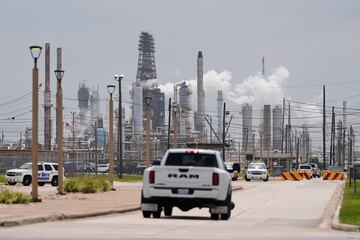
Concern about fuel costs was also widespread: 87 percent of voters said they were very or somewhat concerned about current gas prices. The conflict and higher gasoline costs were linked in the polling as issues shaping voters’ decisions.
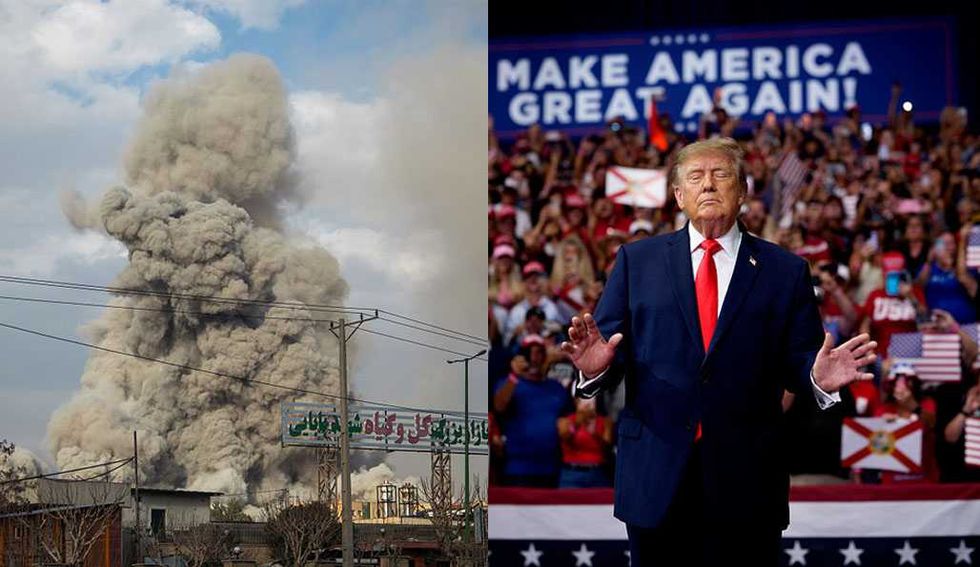
Republicans lost control of both the House and Senate. President Donald Trump acknowledged that Iran was part of the result and said the conflict had pushed up gas prices, hurting Republicans at the polls. He argued that preventing Iran from obtaining a nuclear weapon justified the military operation and said he would make the same decision again.
The conflict began on February 28. The Pentagon told Congress last month that its projected cost was about $47.1 billion. A polling average put support for the operation at 35.9 percent and opposition at 56.5 percent, underscoring the political difficulty of a conflict Trump defended on national-security grounds.
Voters Punish Republicans for Iran War and Higher Gas Costs
The midterm results delivered a clear political warning about a costly, unpopular war: voters said the Iran conflict shaped their congressional choices, and Republicans lost control of the House and Senate. Exit polling found that 34 percent called the conflict crucial to their vote and another 40 percent said it was a major factor.
The economic cost reached voters at the pump. Eighty-seven percent said they were very or somewhat concerned about gas prices, which were linked to the conflict. Trump acknowledged that the war drove up fuel costs and hurt Republicans electorally.
The conflict began on February 28, and the Pentagon put its projected cost at roughly $47.1 billion. An average of polls showed opposition at 56.5 percent, compared with 35.9 percent support. Those figures sharpen the case against a prolonged military commitment with no clear end in sight.
Trump defended the operation as necessary to prevent Iran from acquiring a nuclear weapon and said he would do it again. But the election results and voters’ concerns show the political stakes of asking Americans to bear higher costs for a war that remains unresolved.
Iran War Became an Election Liability Despite Its Security Stakes
The Iran conflict became a major electoral liability for Republicans, with 74 percent of voters calling it either a crucial or major factor in their congressional vote. Another 19 percent said it was a minor factor. Republicans lost control of both chambers, and Trump acknowledged that Iran and higher gasoline prices contributed to the outcome.
The price pressure was undeniable: 87 percent of voters said they were very or somewhat concerned about gas prices. The Pentagon’s projected cost for the operation was about $47.1 billion, and a polling average showed more opposition than support.
But the political backlash does not erase the national-security stakes Trump cited. He argued that Iran must not be allowed to obtain a nuclear weapon and said he would make the same decision again. The conflict began on February 28 and remains unresolved.
The election exposed the tension between voters’ immediate concern about fuel costs and the administration’s case for confronting Iran. Trump’s defense is that preventing a nuclear-armed Iran matters beyond one election night; the polling shows how sharply that argument collided with public concern about the war and its economic effects.
Reported by Breitbart, The Blaze.