Oil Falls Below $100 as Iran War Weighs on Fuel Costs
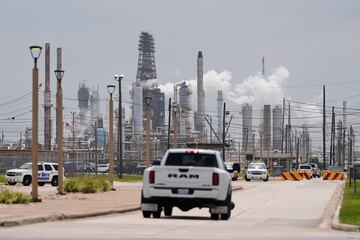
Brent crude dropped more than 8% on November 4, falling to about $98 a barrel by midday. It had reached as high as $118 on the previous Friday. U.S. benchmark crude also declined about 8%, to roughly $89. The November 4 Brent price was its lowest since October 7, though oil remained 65% above its level at the start of the year.
The decline came as traders assessed whether Republicans’ losses in the November 3 midterm elections would increase pressure on President Donald Trump to end the Iran war without further escalation. The conflict began on February 28 and disrupted shipping through the Strait of Hormuz. On November 5 at 6 a.m. Eastern time, Brent was at $99.52, down $6.32 from the previous morning.
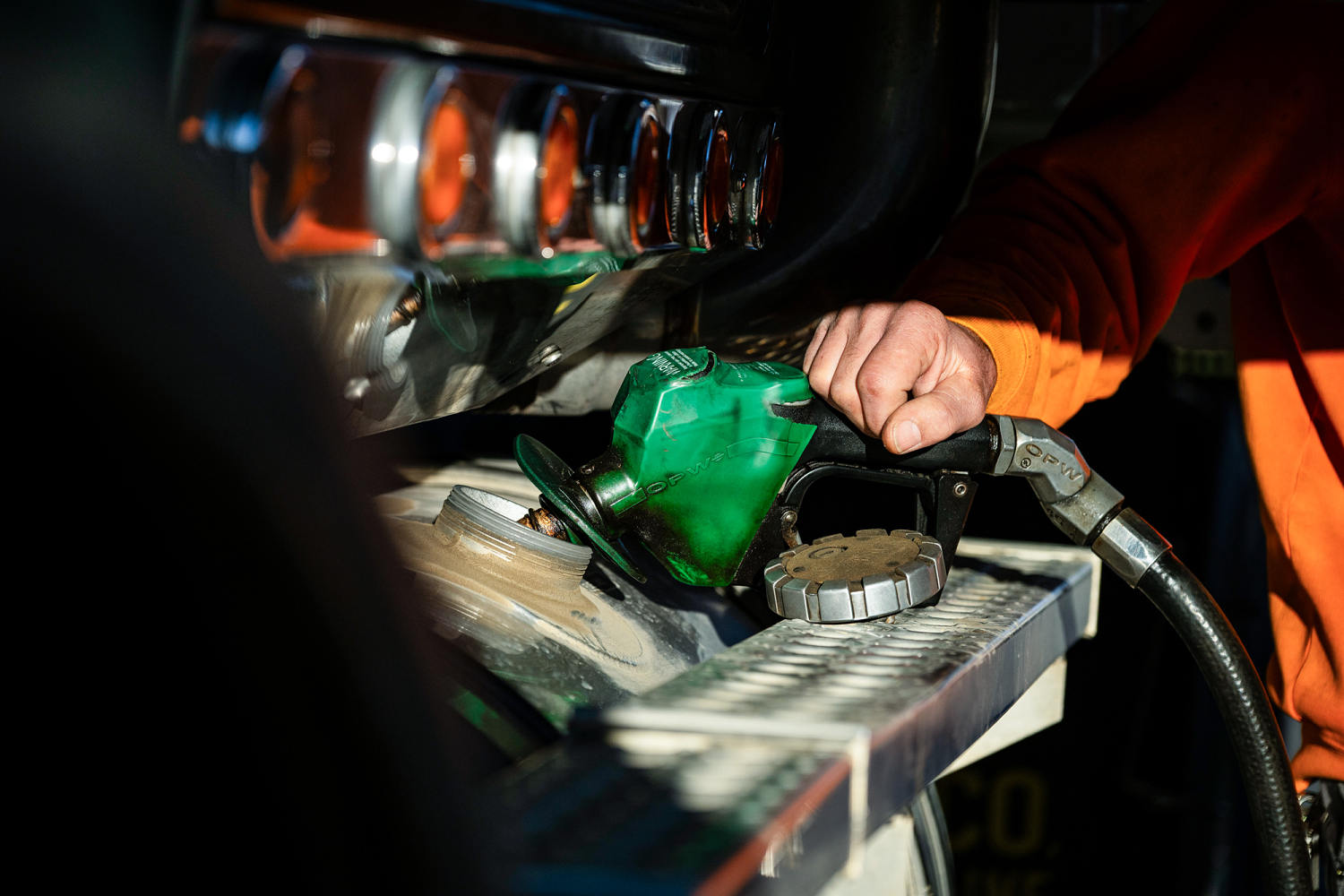
Gas prices could ease, but not necessarily as quickly as crude. GasBuddy analyst Patrick De Haan predicted the national average could fall below $4 in the days ahead. It was $4.12 on the morning of November 4, 39% above its prewar level. Crude typically makes up more than half the pump price, while refining, distribution, taxes and station markups also affect what drivers pay; declines can take longer to reach pumps than increases.
Vice President JD Vance said the war was why Republicans suffered steep midterm losses. Trump said he understood that voters faced short-term costs from higher gasoline prices. An NBC News exit poll found 59% of voters were very concerned about gasoline and diesel costs.
Diesel futures fell nearly 7% on November 4, reaching their lowest point since late August. Diesel costs matter beyond the pump because the fuel powers freight that carries goods, including groceries. Tom Kloza, an energy adviser to Gulf Oil, said prices could fall further by the second half of December if the U.S. and Iran avoid extreme actions in the Persian Gulf. The pace and extent of any relief remain uncertain.
Iran War’s Fuel Costs Put Pressure on Trump After GOP Losses
The Iran war’s impact on household budgets is now colliding with the political fallout from Republicans’ midterm losses. Brent crude slid more than 8% on November 4, dropping below $100 for the first time since October 7. U.S. crude also fell about 8%, to roughly $89.
Traders were watching for signs that the election results could pressure President Donald Trump to end the conflict without a major escalation. The war, which began on February 28, disrupted shipping through the Strait of Hormuz and drove up fuel costs. Vice President JD Vance said the war was the reason for the GOP’s steep losses, while Trump acknowledged that higher gasoline prices had imposed short-term costs on consumers.
The burden remains visible at the pump. The national average for gasoline was $4.12 on the morning of November 4, 39% above its prewar price. An NBC News exit poll found 59% of voters were very concerned about gasoline and diesel costs. GasBuddy analyst Patrick De Haan said the national average could drop below $4 in the days ahead, though falling crude can take longer to lower pump prices.
Diesel futures fell nearly 7% on November 4, reaching their lowest level since late August. That matters for costs beyond fuel: diesel moves freight, including groceries, so price increases can spread through the economy. Brent was $99.52 at 6 a.m. Eastern time on November 5. The price relief offers a possible reprieve, but the conflict and its effects on shipping and energy costs remain central to what happens next.
Oil Retreat Offers Consumers Relief After Costly Iran War
After fuel prices surged during the Iran war, oil’s sharp retreat offers consumers a potential break. Brent fell more than 8% on November 4 to about $98 a barrel, its first move below $100 since October 7. U.S. crude declined about 8% to roughly $89. By 6 a.m. Eastern time on November 5, Brent was $99.52.
The drop followed a steep run-up: Brent had traded as high as $118 the previous Friday. Oil was still 65% above its level at the start of the year, and gasoline averaged $4.12 on the morning of November 4—39% more than before the war began on February 28. GasBuddy analyst Patrick De Haan said the national average might fall below $4 in the coming days.
Markets were also considering whether Republican losses in the November 3 midterms would pressure President Donald Trump to end the Iran war without major escalation. Trump said he understood voters’ reluctance to bear higher gasoline costs. Vice President JD Vance attributed the GOP’s steep losses to the war. An NBC News exit poll found 59% of voters were very concerned about gasoline and diesel prices.
Diesel futures dropped nearly 7% on November 4, their lowest since late August. Lower diesel costs could help businesses that move goods, including groceries, although relief at fuel stations may lag a fall in crude because pump prices also include refining, distribution, taxes and markups. Tom Kloza, an energy adviser to Gulf Oil, said prices could be considerably lower by the second half of December if neither the U.S. nor Iran pursues extreme policies in the Persian Gulf.
Reported by NBC News, Fortune.