Spain’s deadly train crash fuels blame over safety and staffing
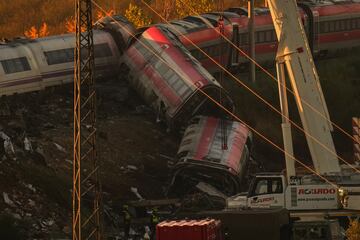
On October 30, investigators were examining how a collision on the Madrid-Seville line killed 69 people, as police continued searching the wreckage and regional officials said the toll could still rise. It was Spain’s second major rail crash this year; a January collision on the same line killed 46 people. Seventy families had filed missing-person reports.
The government’s account says the LZB safety system stopped working shortly after 8:30 a.m. on Wednesday. The system tracks train locations and can apply brakes automatically. With it offline, controllers in Madrid assumed responsibility for monitoring trains across a 63-kilometer stretch. A controller cleared a state-run RENFE train to resume normal speed at 8:36 a.m.; an IRYO train farther along the line could not restart. The trains collided at 8:53 a.m. Investigators’ initial findings put the RENFE train’s speed at 160 to 200 kph at impact.
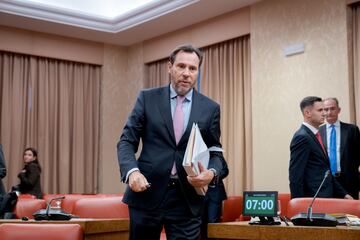
Transport Minister Óscar Puente described the clearance as a serious error and said information pointed to a mistake in the control center. He also said LZB had failed 170 times this year, a frequency he characterized as normal. The system is being phased out, and Puente said Spain is ahead of most European countries in adopting its replacement.
Rail unions argue that system failures and heavy workloads matter alongside the controller’s decision. They say staffing has not kept pace with demands and that LZB has repeatedly gone offline. A train workers’ representative also questioned whether increased rail traffic under private competition had been matched by sufficient maintenance. Passenger numbers rose from 35 million in 2019 to 49 million in 2024.
A judge and a government accident commission are investigating. The commission has recovered the trains’ black boxes. Prime Minister Pedro Sánchez said the country must establish how the crash happened, while Puente faces calls to resign.
Spain’s train disaster exposes the cost of neglecting public safety
On October 30, the deadly crash on Spain’s Madrid-Seville line raised a question larger than one controller’s decision: whether government oversight and rail investment kept pace with a system carrying more passengers. The collision killed 69 people, and officials said the toll could rise. It followed another fatal crash on the line in January, which killed 46.
The LZB system, which tracks trains and can brake them automatically, went offline before Wednesday’s collision. Controllers in Madrid then monitored trains across a 63-kilometer stretch. One controller cleared a RENFE train to move at normal speed while an IRYO train farther down the line could not restart. The trains collided at 8:53 a.m.; initial findings put the RENFE train’s speed at 160 to 200 kph.
Transport Minister Óscar Puente called the clearance erroneous, but unions say focusing on an individual worker risks overlooking unsafe conditions. They describe excessive workloads, recurring failures in the aging LZB system and years of requests for more personnel. The system reportedly went offline 170 times this year, a frequency Puente called normal.
The opening of high-speed rail to private operators coincided with passenger numbers rising from 35 million in 2019 to 49 million in 2024. A union representative questioned whether maintenance increased enough to match that growth. That concern puts public responsibility for a safe, expanding network at the center of the debate—not simply the actions of one controller.
A judge and a government commission are investigating, and the commission has received the trains’ black boxes. Sánchez has promised to establish what happened. The January crash remains under investigation, and 70 families have filed missing-person reports.
Spain’s rail crash demands answers on system failures and government oversight
On October 30, Spain’s second major train crash this year put government responsibility for rail safety under sharp scrutiny. The collision on the Madrid-Seville line killed 69 people, with officials warning that the toll could rise. January’s crash on the same line killed 46, and its investigation is ongoing.
The LZB system failed before Wednesday’s collision, leaving Madrid controllers to monitor trains across 63 kilometers. The system is designed to track train positions and can trigger automatic braking. A controller cleared a state-owned RENFE train to resume normal speed, while a privately operated IRYO train farther down the line remained unable to restart. They collided at 8:53 a.m. Investigators’ initial estimate put the RENFE train’s speed at 160 to 200 kph.
Transport Minister Óscar Puente called the decision to restart the RENFE train erroneous and said evidence pointed to a control-center mistake. But he also acknowledged that LZB had gone offline 170 times this year, calling that normal. A system entrusted with preventing collisions—and an outage rate the minister regards as routine—are now central to the investigation.
Unions say controllers are overburdened and that the aging safety system should have been replaced earlier. They also question whether rail maintenance kept up as competition brought more riders: passenger numbers rose from 35 million in 2019 to 49 million in 2024. Puente says his ministry expanded the controller workforce from 1,000 in 2016 to 1,700 now.
A judge and a government accident commission are investigating, and the commission has the trains’ black boxes. Sánchez has pledged to determine what happened. With a second deadly crash on the line in one year, scrutiny now reaches beyond the controller to the officials responsible for the network’s safety.