Four Americans Among 69 Killed in Spain Train Collision
Authorities said Sunday that 66 of the 69 people killed in the October 28 collision had been identified. The dead included four U.S. citizens and one Canadian, along with French, Japanese, Argentine, Mexican, Portuguese, Tunisian and Czech nationals. Most were Spanish nationals. Two Australians and one Japanese citizen remain missing, officials said, while some families are expected to travel to Spain to identify victims in person.
The crash happened in Urda, in Toledo province, when a high-speed train struck the back end of a train halted on the tracks. Two cars derailed and 58 people were injured. More than 540 people were aboard the trains, which were traveling from Madrid toward Seville.
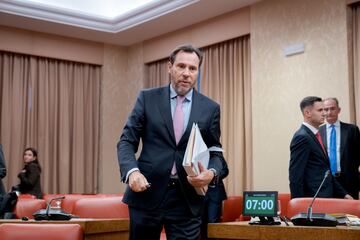
Investigators’ initial findings put the speed of the state-owned RENFE train at between 100 and 125 mph when it hit the privately owned IRYO train. Transport Minister Óscar Puente has pointed to a traffic controller’s judgment. Railway unions have disputed that emphasis, saying reduced staffing and heavier workloads are making it harder to protect passengers.
The collision was the second deadly crash on the Madrid-Seville line in 2026. A separate collision nine months earlier killed 46 people and remains under investigation. Prime Minister Pedro Sánchez has pledged an inquiry and improvements to rebuild confidence in the rail system, which carried about 45 million travelers last year. The October crash has prompted questions about railway safety and infrastructure spending ahead of Spain’s November 29 general election, in which Sánchez is seeking another term.
Spain Must Address Rail Safety Beyond Blaming One Controller
The deaths of 69 people in Spain’s latest rail disaster demand a serious investigation into the conditions that shape railway safety—not just scrutiny of one controller. The October 28 collision in Toledo province also injured 58 people, and three people remain missing.
Transport Minister Óscar Puente has pointed to a traffic controller’s judgment. Railway unions challenge that focus, saying too few controllers are managing growing workloads. Their warning puts staffing and working conditions at the center of the safety debate, alongside the investigation into how a train struck another that had stopped on the tracks.
Authorities have identified 66 of those killed, including four Americans, one Canadian and nationals of several other countries. Most of the victims were Spanish. Investigators’ preliminary findings indicate that the state-owned RENFE train was traveling between 100 and 125 mph when it hit the privately owned IRYO train.
This was the second fatal collision on the Madrid-Seville line in nine months. The earlier crash killed 46 people and remains under investigation. Prime Minister Pedro Sánchez has promised an inquiry and improvements to restore trust in a network that carried about 45 million travelers last year. A credible response must confront the unions’ concerns about capacity and safety as well as establish what happened in the crash, with voters weighing railway safety and infrastructure spending before the November 29 election.
Spain’s Deadly Rail Crashes Put Sánchez’s Record Under Scrutiny
Spain’s latest rail disaster has put the government’s record on safety and infrastructure under sharp scrutiny. The October 28 collision in Toledo province killed 69 people and injured 58, with three people still missing. It came just nine months after another crash on the Madrid-Seville line killed 46.
The scale and timing make accountability unavoidable. Prime Minister Pedro Sánchez has promised an investigation and improvements, but the crashes have shaken confidence in a rail network long associated with speed and safety. Questions about the condition of the system and investment under his governments now form part of the debate as Sánchez seeks another term in the November 29 election.
Authorities say 66 victims have been identified, including four Americans, one Canadian and people from several other countries. Investigators’ initial findings place the state-owned RENFE train’s speed at between 100 and 125 mph when it struck a stopped train operated by private company IRYO.
The transport minister has cited a traffic controller’s judgment, while railway unions say staffing shortages and mounting workloads are contributing to safety risks. Those competing explanations make it essential for the inquiry to establish responsibility and examine the system, rather than let political promises substitute for answers. The trains were carrying more than 540 people from Madrid toward Seville when the collision occurred.
Reported by CBS News, The Philadelphia Inquirer, Daily Mail US.