Nine Massachusetts Ballot Questions Put Voters to the Test
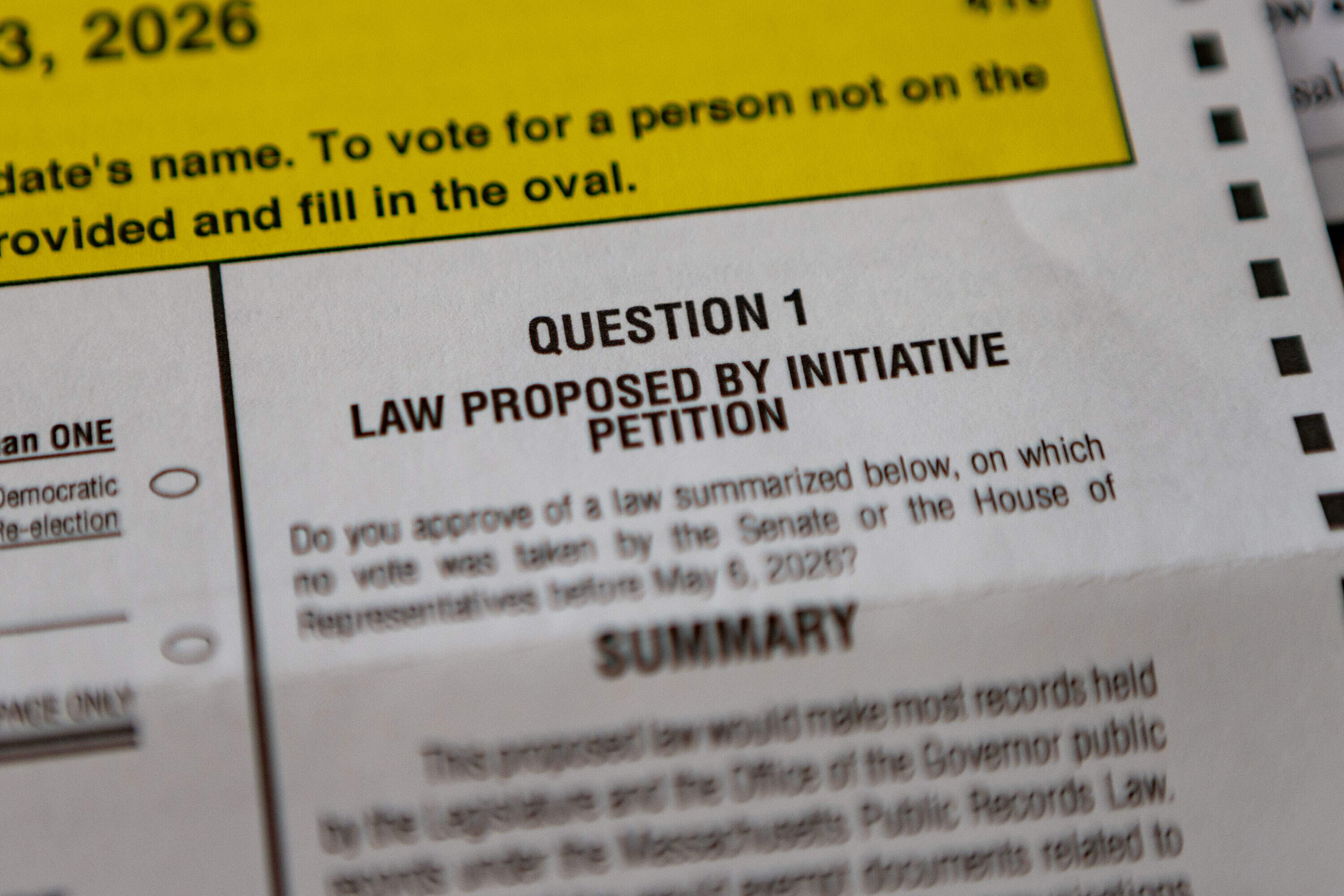
Published October 29, 2026. Massachusetts voters will decide nine ballot questions on November 3, alongside races including governor and U.S. senator. The three-page ballot covers issues ranging from gun restrictions and recreational marijuana to public records, housing and election rules.
Early voters in Worcester have said the questions can be confusing and overwhelming. Election supervisor Lisa Thomas said voters are taking longer to complete their ballots than in past elections, with some spending at least five minutes. Officials and poll workers are urging people to review the measures in advance and are distributing the state’s voter information booklet.
The questions have also drawn substantial attention and spending: campaign groups have poured over $20 million into efforts supporting or opposing the measures. Supporters of ballot initiatives say the process lets voters act on issues they believe the Legislature has not addressed; lawmakers have criticized the process as vulnerable to special interests and well-funded outside groups.
Among the proposals are election-day voter registration, changes to rules for building single-family homes, and an overhaul that would end party primaries in favor of a single primary ballot, with the top two candidates advancing. Short videos have been made for all nine questions, each under two minutes, to help voters understand the measures before Election Day.
Nine Ballot Questions Give Massachusetts Voters a Direct Voice
Massachusetts voters are getting a rare chance to decide a wide range of public questions directly, with a record-tying nine measures on the November 3 ballot. The proposals address issues including election-day voter registration, housing rules, gun restrictions and recreational marijuana.
Supporters see the ballot process as a way around a Legislature they say has failed to respond to urgent concerns. Proposals such as election-day registration and smaller-lot home construction have faced resistance or delays at the State House, while proponents of a new primary system say it could make elections more competitive. The system lets citizens put ideas before voters after gathering enough signatures.
The measures are complex, and early voters in Worcester have described the ballot as confusing and overwhelming. Officials are encouraging voters to prepare in advance, and short videos explain each question. The task may be demanding, but it gives Massachusetts residents a direct say on matters they believe lawmakers have left unresolved.
Massachusetts’ Nine Ballot Questions Demand Careful Voter Scrutiny
Massachusetts voters will confront nine ballot questions on November 3, a record-tying slate that could reshape policy on elections, housing, guns and recreational marijuana. The proposals are not simple choices: early voters in Worcester say the measures are confusing, and election workers have seen people spend longer completing their ballots.
The ballot initiative system gives campaigns a route around the Legislature, but lawmakers argue it can be driven by special interests and well-funded groups from outside the state. Even a proposal to replace party primaries with one shared primary ballot has drawn warnings from opponents, who say it could sideline third-party candidates and increase money’s influence in politics.
With organizations spending more than $20 million for and against the questions, voters are being urged to study the measures before entering the booth. The state’s information booklet and short videos provide explanations, but the scale and complexity of the ballot make preparation essential.
Reported by WBUR, GBH News, The Boston Globe.