EU Budget Deadlock Leaves Ukraine Loan Unresolved
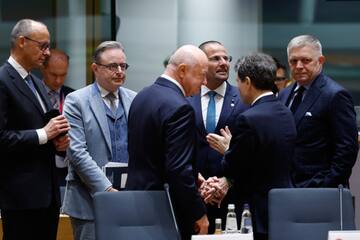
After more than 12 hours of negotiations on November 27, leaders of the 27 EU countries made no progress toward settling the size or priorities of the bloc’s 2028-2034 budget. The dispute also held up a proposed 45 billion-euro loan intended to help Ukraine meet economic and military needs next year.
European Council President António Costa said leaders would return to the issue at a summit on December 17-18. He aims for a final budget deal by the end of this year, so the new spending plan can take effect on January 1, 2028. French President Emmanuel Macron said he would support a suitable agreement in December, but warned France would not accept further reductions.
Member states remain divided over contributions and spending. Some governments want to pay less, while others oppose additional cuts. The talks also raised how to finance debt from an earlier 850 billion-euro EU loan and whether to impose a bloc-wide digital services tax, which Costa estimates could raise 5 billion euros annually. Ireland opposes that tax; Commission President Ursula von der Leyen said it had attracted broad support among leaders.
The proposed Ukraine loan is separate from a seven-year, 100 billion-euro budget allocation for the country. A key question is whether the budget should cover interest on the new loan. Costa said 24 countries back the plan, while Bulgaria wants its contribution limited to economic needs. He must still secure support from the Czech Republic, Hungary and Slovakia. Ukraine would repay the loan only after Russia pays war reparations. The next round comes amid approaching elections in several EU countries.
EU Budget Stalemate Puts Ukraine Support at Risk
The EU’s budget deadlock is now putting a major proposed loan to Ukraine in limbo. After more than 12 hours of talks on November 27, leaders of the 27 member states could not agree on the 2028-2034 spending plan, which includes a proposed 45 billion-euro loan to help Kyiv cover economic and military needs next year.
European Council President António Costa says a deal is needed by year’s end, with leaders due back on December 17-18. That deadline matters: France’s Emmanuel Macron says he will not be in a position to reopen budget talks after December 31, with elections approaching. France also rejects further cuts, as some governments press to reduce what they contribute.
The dispute is not just about national payments. The bloc must find money to service debt from an earlier 850 billion-euro loan, and Costa has proposed a digital services tax that could bring in 5 billion euros a year. Ireland opposes the levy, while European Commission President Ursula von der Leyen says it has received broad support in the discussions. Other possible revenue sources include carbon-market proceeds and tobacco duties.
Ukraine’s proposed loan remains contingent on resolving these budget choices. The interest costs could be taken from the planned budget envelope for Ukraine or covered with additional funds. Costa says 24 countries support the loan, but Bulgaria wants its share used only for economic needs, and the Czech Republic, Hungary and Slovakia still need to be brought on board. Ukraine would repay only after Russia pays war reparations. The December summit will test whether EU governments can match their support for Ukraine with an agreement on how to fund it.
EU Leaders Stall on Budget as Costs and Taxes Loom
EU leaders left their November 27 budget talks without a deal, while a proposed 45 billion-euro loan for Ukraine remains caught in the negotiations. The 27 governments have yet to agree on the scale or priorities of the 2028-2034 budget, and the dispute includes how much each country should contribute.
European Council President António Costa wants an agreement by the end of the year and plans another summit for December 17-18. Some governments are seeking lower payments, while others resist additional cuts. French President Emmanuel Macron has said France will not accept more reductions, and Hungary’s Péter Magyar said a Christmas deal looked unlikely.
The financing debate also includes Costa’s proposed digital services tax, which could raise 5 billion euros annually. Ireland’s Micheál Martin opposes the levy, arguing it sends the wrong signal on competitiveness. The EU is also considering other revenue options, including money from carbon emissions trading and tobacco duties, while it faces debt payments on an earlier 850 billion-euro loan.
The Ukraine plan would provide 45 billion euros next year, alongside a proposed 100 billion-euro allocation over seven years. Leaders have not resolved whether loan interest should come out of Ukraine’s budget envelope or be funded separately. Costa says 24 countries back the loan, but Bulgaria wants its contribution restricted to economic needs, and the Czech Republic, Hungary and Slovakia remain to be persuaded. A deal will require governments to settle both the cost and the source of the money.
Reported by The Philadelphia Inquirer, PBS NewsHour.