EU Leaders Clash Over Budget and Ukraine Loan
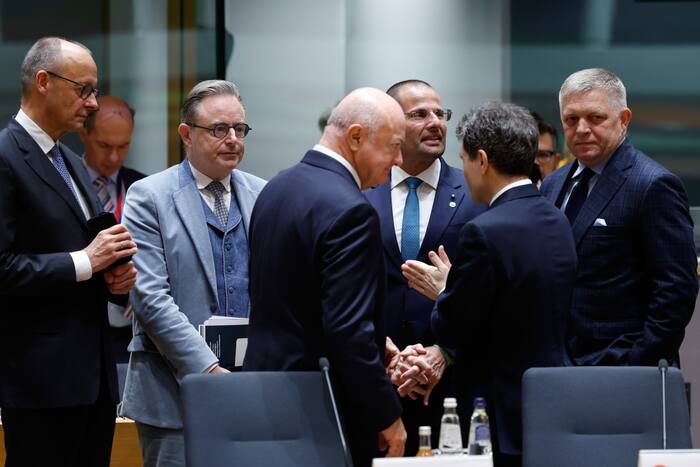
The EU’s 27 leaders faced competing demands over long-term spending and support for Ukraine at a summit in Brussels on November 26. The proposed 2028-2034 budget could equal 1% to 1.2% of the bloc’s gross national income, and leaders are under pressure to agree on its size, priorities and funding by the end of the year.
Europe Must Back Ukraine and Invest in Shared Priorities
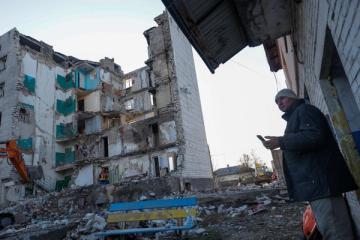
Europe’s security and Ukraine’s urgent financial needs are at stake as EU leaders negotiate a long-term budget in Brussels. The proposed package includes a 100-billion-euro envelope for Ukraine over seven years, while a separate 45-billion-euro loan would help cover the country’s economic and military needs next year. Russia’s stepped-up strikes on energy systems and civilian facilities are adding to Ukraine’s financial strain.
German Chancellor Friedrich Merz has called for a collective commitment to Ukraine from every member country. But Bulgaria, Czechia, Hungary and Slovakia resist channeling EU money into military assistance. That resistance complicates a shared response to a war that EU leaders have treated as a European security issue.
The budget debate is also about whether Europe will protect farmers and help poorer regions build infrastructure. Those policies account for about two-thirds of the budget. France and Italy lead countries defending them, while net contributors including Germany and the Netherlands want spending cuts. Council President António Costa has proposed trimming the original budget plan by about 10%, as well as a digital-services tax that could raise 5 billion euros annually.
Leaders still need unanimity, and they may not reach a deal by year’s end. Delaying agreement would leave less time to approve the spending rules before the 2028 budget takes effect.
EU Leaders Should Put Fiscal Restraint and Citizens First
EU leaders are being asked to commit more public money while facing debt pressures and competing demands at home. Germany, Austria, the Netherlands and Sweden—countries that contribute more to the EU budget than they receive—are pressing for tighter spending. Dutch Prime Minister Rob Jetten said the budget should be modernized and reduced before a deal is struck.
The proposed 2028-2034 plan could amount to 1% to 1.2% of the bloc’s gross national income. Yet leaders are also considering a 100-billion-euro Ukraine funding envelope over seven years, plus a 45-billion-euro loan next year. Czech Prime Minister Andrej Babiš argued that Ukraine’s financing should be negotiated separately and that Europe’s priority should be its citizens’ lives.
The disagreement is sharpened by calls to preserve farm subsidies and infrastructure funding, which together account for about two-thirds of the budget. Supporters say these programs protect farmers and help poorer regions; net contributors are resisting a larger bill. Costa’s proposed digital-services tax could raise 5 billion euros a year, but would add another revenue measure to the debate.
Bulgaria, Czechia, Hungary and Slovakia reject allocating money for Ukraine’s military support. With unanimity required, the push to settle the budget by year’s end may fail, leaving leaders to resume talks in December.
Reported by KPRC 2 Click2Houston, The Philadelphia Inquirer.