Iowa Lead Blast Triggers Scrutiny and Environmental Testing
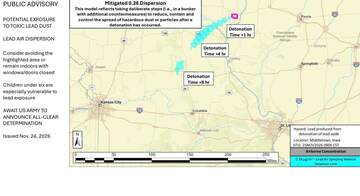
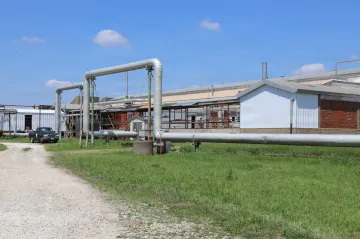
The U.S. Army carried out a controlled explosion of nearly five tons of deteriorated lead azide stored at its Iowa munitions facility near Middletown, Iowa, on November 25. Early Environmental Protection Agency monitoring found no lead in the air, but researchers say a fuller picture will depend on tests that are still underway.
The EPA sent 300 employees and contractors to the area before the detonation and collected 1,216 baseline samples: 650 of soil, 297 of dust, 210 of water and 59 of air. Crews are now collecting more samples and monitoring air continuously. The agency says it will work alongside federal public-health officials on remediation if testing finds lead.
NASA deployed three research aircraft and is using an air-pollution instrument to track conditions. University of Iowa teams are also monitoring air and soil, while Purdue University is inviting residents to send in soil samples for free testing. Researchers say independent results could help supplement federal monitoring and build confidence among residents unsettled by how the operation was communicated.
Some laboratory results may take about a week. Experts say lead levels in crops are unlikely to rise significantly, since corn does not readily absorb lead, and municipal water treatment generally removes lead. Private wells and streams used by livestock may warrant more attention; one expert advised private-well owners to use home lead tests.
Researchers expect data gathered through the holiday period and early the following week to clarify where material settled and in what amounts. They also note that some communities elsewhere face far higher levels of long-standing lead pollution.
Iowa Lead Blast Puts Government Transparency Under the Microscope
The detonation may be over, but residents still need credible answers about what landed around Middletown. The Army exploded nearly five tons of deteriorated lead azide at its Iowa munitions facility on November 25, and while initial EPA air checks found no lead, soil, water and further air testing are still in progress.
The operation followed a troubled rollout: towns in the modeled fallout path said the initial notice was limited, and universities began preparing monitoring as uncertainty grew over what federal agencies would do. The EPA says it collected 1,216 baseline samples before the blast and has crews testing around the clock afterward. NASA sent three research aircraft, while University of Iowa scientists are tracking air and soil.
Purdue University is offering residents free independent soil analysis. That effort is not a substitute for federal monitoring; it can provide another check at a time when poor communication has weakened public trust. Researchers say matching results could help reassure residents, while differences would make clear why transparent follow-up matters.
The results will take time, with some laboratory analysis expected to last about a week. Experts say corn is unlikely to absorb much lead and municipal treatment generally removes it from drinking water, but private wells and streams used by livestock deserve attention. Government agencies should be judged by the evidence they publish and how openly they respond to it.
Early Iowa Air Tests Find No Lead After Army Detonation
Following the Army's carefully managed blast involving deteriorated lead azide near Middletown on November 25, early EPA monitoring found no lead in the air. The next step is a broad round of sampling to determine whether the blast left lead in soil or water around the Iowa munitions facility.
The EPA had 300 employees and contractors in the region before the operation and gathered 1,216 baseline samples across soil, dust, water and air. It says real-time air monitors ran through the blast and that crews are now collecting additional samples. The agency will coordinate with the CDC on remediation if testing detects lead.
NASA also deployed three research aircraft and an air-pollution instrument. University teams are adding monitoring, and Purdue is offering free soil tests to residents. Those efforts can add useful scrutiny, but conclusions should rest on the accumulated measurements, not speculation before the results arrive.
Some lab findings may take about a week. Experts say corn is not likely to take up much lead, and municipal treatment plants are generally designed to remove it from water. Private wells and livestock streams merit closer attention, and one researcher recommends home tests for private-well owners. The monitoring underway will establish whether further action is needed.
Reported by Wired, FOX 5 New York, The Washington Examiner.