TrumpCare Talk Is an Opening, Not a Deal

Abdul El-Sayed is offering Donald Trump a political bargain: put the president’s name on Medicare for All and see whether it helps pass a major health-care overhaul. Trump has shown general interest in negotiating with Democrats on health care, but he has not endorsed El-Sayed’s proposal. The distinction matters. A social-media exchange and an invitation to talk are an opening, not evidence that a bill has a path to passage.
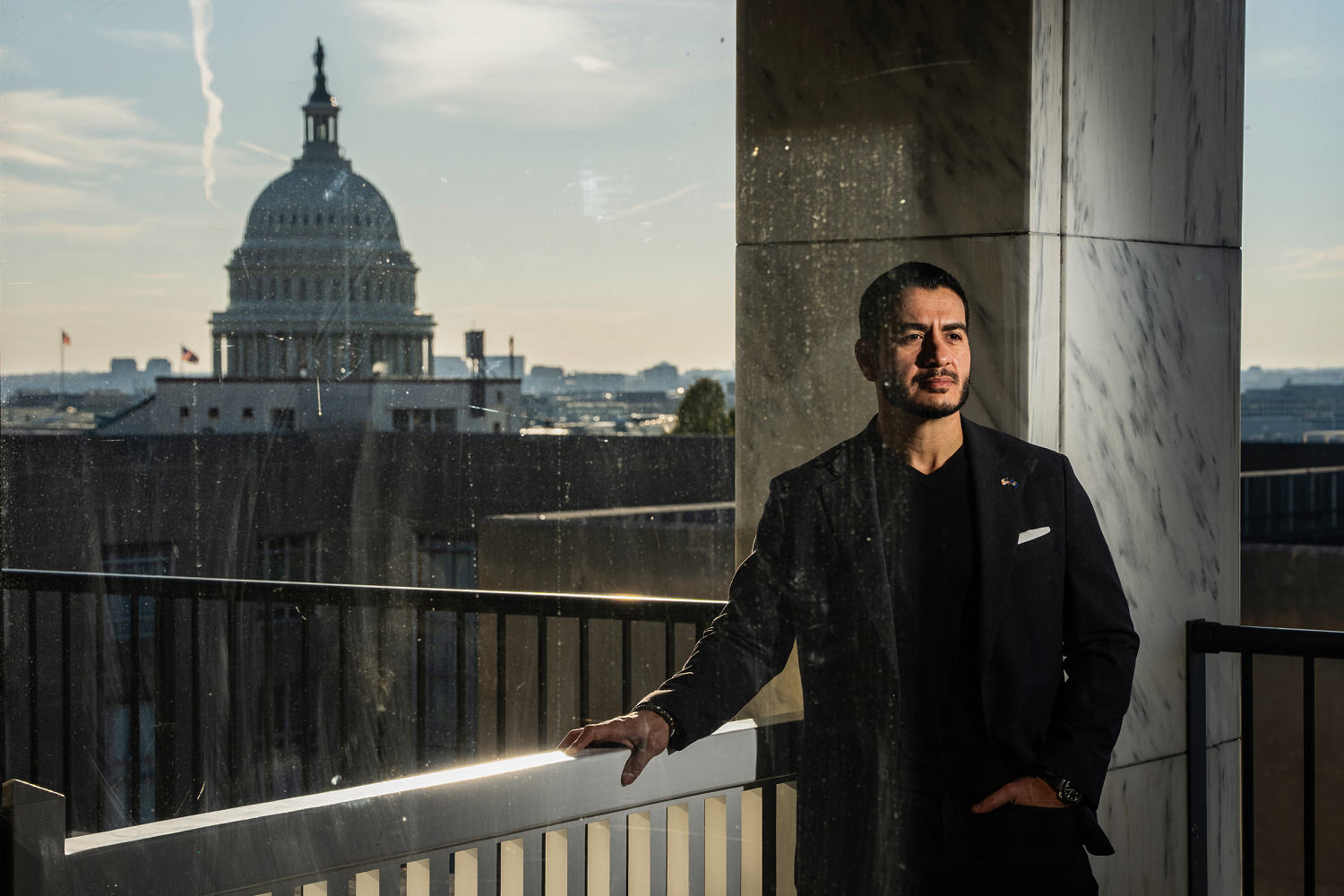
The Michigan senator-elect has made Medicare for All one of three central campaign promises. The others are reducing money’s influence in politics and putting more money in people’s pockets. After winning his race against Mike Rogers earlier this month, he floated the name “TrumpCare for All.” On Saturday, Trump shared a screenshot of El-Sayed’s pitch without adding a comment. El-Sayed answered on X: “Let’s get to work, then. Ready when you are.” The exchange extended an approach he had already been promoting, including mock gold TrumpCare cards. The earlier social-media pitch was striking less for any policy detail than for its attempt to make branding a route into bipartisan negotiations.
On NBC’s “Meet the Press” on Sunday, El-Sayed said he cared more about guaranteed coverage than what the plan was called. He argued that Trump’s influence over Republican lawmakers could draw some of them toward a bill if the president supported it. That is a plausible political theory, but two things remain unestablished: Trump’s backing for this specific model, and whether Republicans would set aside their objections. El-Sayed also suggested Democrats might look awkward if Republicans proved more receptive than members of his own party. His interview makes clear that he is trying to turn the president’s broad comments into a concrete legislative conversation.
Trump’s comments, as described in the reports, stop short of that. In a Fox News interview Saturday, he said both parties had good and bad ideas. He added that bipartisan work could produce better health care. At a White House news conference Friday, he said he was open to a combination of proposals. He cautioned that the result might not be what Democrats wanted. Those remarks leave room for negotiation, but they do not identify Medicare for All as the intended outcome. The broader account of Trump’s remarks and El-Sayed’s proposal also says El-Sayed told Welker that possible meetings with Trump or Vice President JD Vance were being arranged. He gave no details.
The policy at issue is much larger than a change in the program’s name. The Medicare for All approach described in the reporting would replace the current mix of public and private coverage with a federally administered plan for residents. The Affordable Care Act expanded Medicaid and created regulated private-plan marketplaces. The proposed model would move beyond that structure. A bill written by Sen. Bernie Sanders would phase in the change over four years. It would lower Medicare eligibility from age 65 to birth and add dental, vision and hearing benefits. The bill would generally bar private insurers and employers from offering coverage that duplicates the federal benefits.
El-Sayed says he supports Sanders’ bill, but describes private insurance as having a secondary role rather than presenting its elimination as the central point. He compares public health coverage to public education: the guarantee, in his view, is what matters. That distinction may make the idea sound less like a direct prohibition on private coverage. But the reported bill’s limits on duplicate insurance remain a substantial part of the proposal. The political pitch and the legislative design are not quite the same thing. Related coverage of El-Sayed’s branding strategy and the wider question of working with the Trump administration reflect how much of the current discussion is about opening doors before a detailed agreement exists.
There are obstacles on both sides of the aisle. The White House has previously described Medicare for All as socialist. Republican senators Ted Cruz and Rand Paul have also objected to a single-payer system, with Paul focusing on its cost to taxpayers. On the Democratic side, Hakeem Jeffries is expected to take the House speaker’s role in January. He has not backed the existing Medicare for All legislation, although he has supported lowering Medicare’s eligibility age and expanding benefits. El-Sayed named Sen. Chris Van Hollen as supportive of the idea. He said it was one reason he backed Van Hollen for Senate majority leader. The reports say Democrats are preparing to take control of both chambers when the new Congress convenes in January. But they do not establish that a majority would support this particular bill.
For my part, the useful test is whether the conversation moves from labels to specifics. A president’s interest in bipartisan health-care talks is worth noting, but it should not be mistaken for agreement on who pays, what coverage is guaranteed, or what role private insurance keeps. El-Sayed has made his invitation; the next evidence will be whether Trump responds to the substance, and whether lawmakers on either side are willing to negotiate it.
Update, November 23, 2026: El-Sayed said a meeting with Vice President JD Vance is on the calendar, though he declined to disclose its agenda; Vance’s chief of staff contacted him after his election. In a statement to The Hill, El-Sayed named Bernie Sanders, Ron Wyden, Elizabeth Warren and Chris Van Hollen as Senate colleagues he hoped to work with on the effort. A study by Yale researchers, cited in later coverage, estimated Sanders’ bill could save $1 trillion and more than 114,000 lives each year.
Reported by The Washington Examiner, Breitbart, Newsweek, The Guardian, Raw Story, CBS Detroit, The Daily Caller.