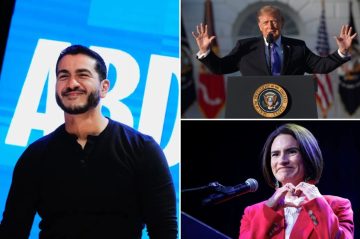
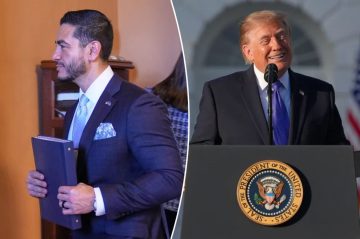
Kennedy and El-Sayed Clash Over Medicare for All Proposal
On November 22, Louisiana Sen. John Kennedy and Michigan senator-elect Abdul El-Sayed exchanged sharp criticism over El-Sayed’s proposal for government-backed healthcare coverage. Kennedy discussed the plan on NBC’s Meet the Press, where host Kristen Welker asked whether Democrats and Republicans could find common ground on healthcare.
El-Sayed has promoted the proposal as “Trumpcare for All,” including in a social media pitch promising coverage for every American. Trump reposted the pitch without adding a comment. The president has also said he is willing to work with Democrats on healthcare, though no details of a potential agreement were given.
Kennedy argued that the plan, which he associated with Sen. Bernie Sanders’s Medicare for All approach, would create a new federal program and shift healthcare management to the government. He said about 200 million people would have to leave employer-provided insurance for federal coverage, and questioned whether the government could run such a system affordably. El-Sayed has said people could keep private insurance under his version.
Kennedy said he opposed putting everyone into a federal system like those in Canada or the United Kingdom. He also said he agreed with El-Sayed that healthcare needed improvement, regardless of what a proposal was called.
El-Sayed responded on social media, accusing Kennedy of opposing people’s basic needs and making a pointed reference to the senator’s surname. He also said Kennedy’s remarks showed why Trump was willing to work across party lines. The exchange left the two politicians at odds over both the proposal’s cost and the role of private coverage.
Kennedy Attacks Healthcare Expansion as Trump Signals Openness to Talks
On November 22, Louisiana Sen. John Kennedy used a television interview to attack Michigan senator-elect Abdul El-Sayed’s push for healthcare coverage for every American. As Trump signals he is willing to work with Democrats, Kennedy’s response underscored the resistance that could complicate efforts to improve access to care.
El-Sayed has pitched his plan as “Trumpcare for All,” even suggesting people could retain private insurance. Trump reposted one of El-Sayed’s appeals without comment and has said Democrats may have useful ideas on healthcare. The president has not set out what a deal with them would involve.
Kennedy argued that the proposal would move people into a new federal program and said 200 million Americans would lose employer-based coverage. He questioned the government’s ability to manage healthcare and its affordability, but El-Sayed’s response challenged Kennedy’s opposition as a refusal to meet people’s basic needs rather than a persuasive case against universal coverage.
El-Sayed also argued that Kennedy’s approach was out of step with Trump’s willingness to work across the aisle. His social media post took a personal jab at Kennedy rather than detailing the plan’s financing. The dispute highlights the stakes of the debate: whether healthcare should be expanded through a government-run system, and whether political leaders will engage with proposals aimed at universal coverage.
Kennedy Challenges Medicare for All’s Cost and Coverage Claims
On November 22, Louisiana Sen. John Kennedy challenged Michigan senator-elect Abdul El-Sayed’s Medicare for All proposal, arguing that its promise of universal coverage depends on a costly expansion of federal control. The dispute comes as President Donald Trump says he is willing to work with Democrats on healthcare, though no agreement has been outlined.
El-Sayed has tried to sell his plan under the name “Trumpcare for All” and has said people could keep private insurance. Trump reposted one of his pitches without comment. Kennedy said the proposal would instead require about 200 million Americans with employer coverage to turn to a new government program.
Kennedy questioned whether federal officials could manage such a system and argued that the numbers would not work without placing everyone in it. He also pointed to Canada and the United Kingdom as examples of government-run healthcare systems he did not want for Americans. Those are substantive objections to a plan whose financing and relationship with private insurance remain central to the debate.
El-Sayed answered with a personal attack on Kennedy, accusing him of denying people basic needs and making a jab at the spelling of his surname. He did not explain the plan’s costs in that response. Trump’s openness to discussions does not itself amount to support for El-Sayed’s proposal, and the two sides remain sharply divided over whether federal control would improve healthcare or make it less affordable.
Reported by PJ Media, Townhall.