Nasdaq Rebounds as Chip Stocks Recover After Election-Driven Selloff
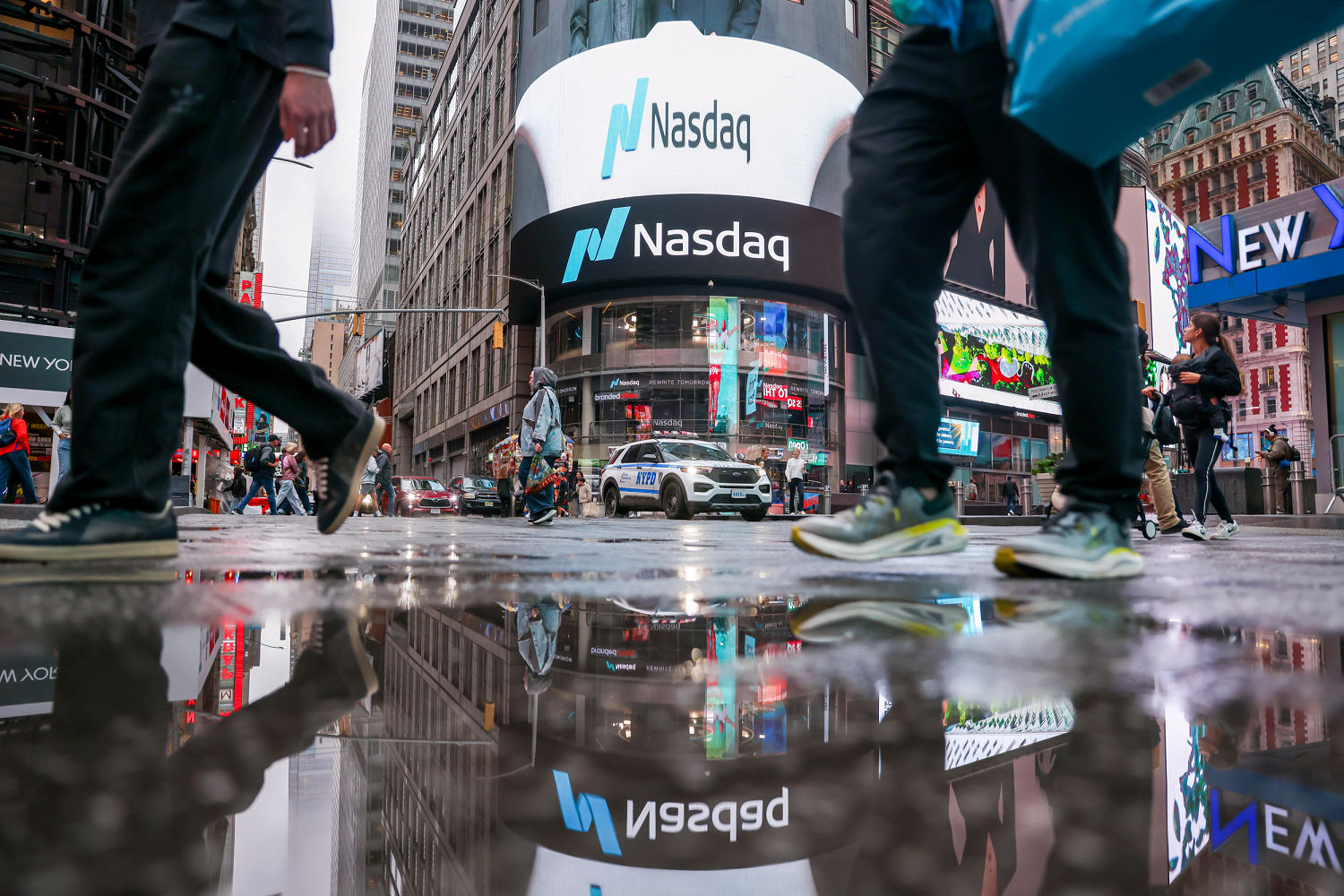
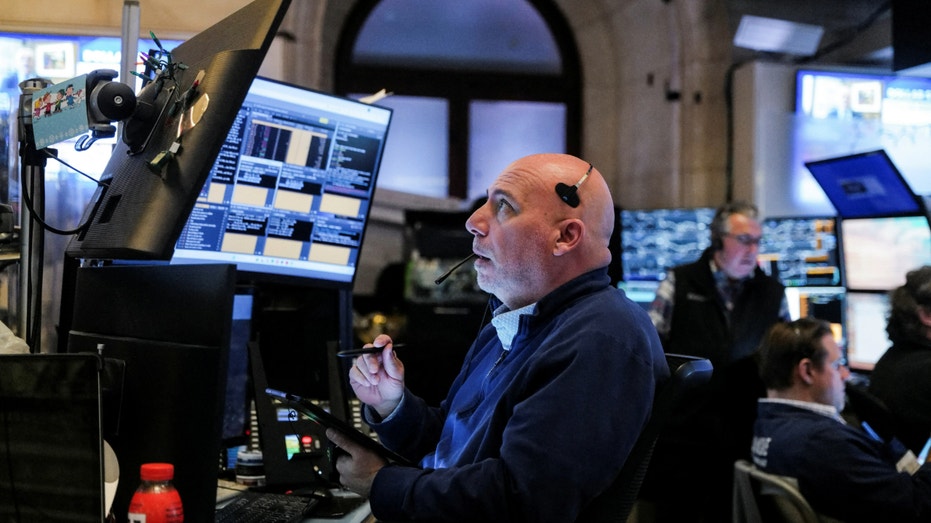
The Nasdaq Composite rose 1.28% at the open on November 6, while the S&P 500 gained 0.38%. The blue-chip Dow shed 474 points, equal to 0.92%, as technology and chip stocks began to recover from Thursday’s losses.
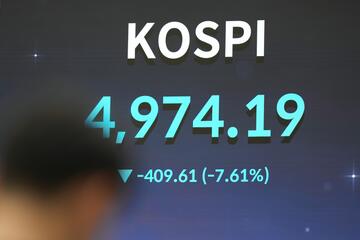
The Nasdaq had dropped more than 1,400 points on Thursday, pushing the index into correction territory, defined as a fall of at least 10% from its previous peak. Investors were weighing whether Democrats’ sweeping midterm victories could bring tighter restrictions on data center construction and curb spending on artificial intelligence.
Chip stocks led the early rebound. Nvidia, a closely watched indicator for the AI sector, rose 6.6% in early trading, while Micron Technology gained 9.8%.
Friday’s trading followed a rally after the election that reversed sharply the next day. Market analyst Jakub Rochlitz said investors appeared to be reassessing the election results after political uncertainty had eased enough to lift stocks earlier in the week.
Separate economic data showed U.S. employers added 165,000 jobs in October, above economists’ estimate of 65,000. The unemployment rate edged down to 4.1%. Navy Federal Credit Union chief economist Heather Long said hiring had broadened and wage growth was stronger than expected, though wages remained below inflation.
Markets Must Weigh Voters’ Call for Oversight of AI Growth
The Nasdaq’s recovery on November 6 followed a sharp selloff driven by concerns that Democratic midterm victories could bring tighter restrictions on data center construction and weaken artificial intelligence spending. That political risk is now part of the market’s calculation, even as chip stocks bounced back.
The Nasdaq Composite rose 1.28% at the open, and the S&P 500 added 0.38%. The Dow fell 474 points, or 0.92%. Nvidia gained 6.6% in early trading and Micron Technology rose 9.8%, after Thursday’s rout pushed the Nasdaq into correction territory.
The losses came after a post-election rally, as investors shifted from celebrating reduced political uncertainty to considering what the election results could mean for AI and data center development. The possibility of tighter limits is not the same as a policy decision, but the market reaction shows how closely this expansion is being watched.
The broader economy also showed stronger hiring than expected: employers added 165,000 jobs in October, compared with economists’ forecast of 65,000, and unemployment edged down to 4.1%. Wage growth improved, though Navy Federal Credit Union chief economist Heather Long said wages remained below inflation. The rebound in technology shares does not erase the questions about how fast the AI buildout should proceed or how it should be governed.
Election Uncertainty Sends AI Stocks Tumbling, Then Rebounding
The sharp swing in technology shares shows the cost of uncertainty around the future of data centers and artificial intelligence. After a rally following the midterm elections, investors sold off chip and technology stocks as they considered whether sweeping Democratic victories could bring tighter restrictions and weaker spending on AI.
The Nasdaq Composite rose 1.28% at the open on November 6, while the S&P 500 gained 0.38%. The Dow dropped 474 points, or 0.92%. Nvidia rose 6.6% in early trading and Micron Technology gained 9.8%, recovering some ground after Thursday’s losses drove the Nasdaq more than 1,400 points lower and into correction territory.
Investors had initially welcomed the election outcome, then reassessed what it might mean for data center construction and AI investment. The reversal underscores the stakes of policies that could affect a fast-growing technology sector: markets are responding not just to what has happened, but to the possibility of new constraints.
October payrolls offered a brighter economic signal. The U.S. added 165,000 jobs, well above the 65,000 economists had expected, and unemployment fell to 4.1%. Wage growth was stronger than expected, though Navy Federal Credit Union chief economist Heather Long said wages were still below inflation.
Reported by Fox Business, CBS News.