AI Stocks Rebound as Global Markets Steady
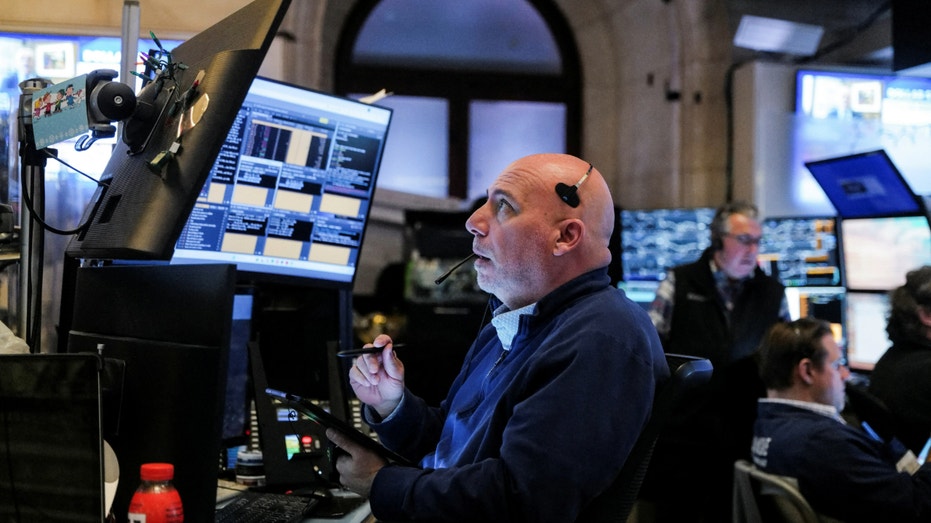
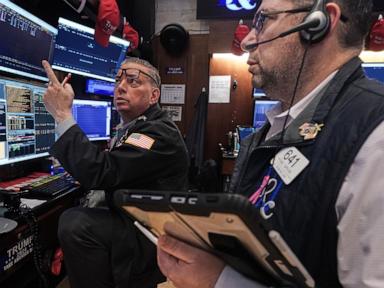
Shares connected to artificial intelligence climbed on November 6, easing a worldwide market slump, while the broader U.S. market delivered mixed results. The S&P 500 gained 0.3%, the Nasdaq rose 1.2% and the Dow fell 479 points. Despite the rebound, the S&P 500 remained on course for its steepest weekly decline since April 2025.
The rally followed sharp losses in technology stocks and steep falls in Asian markets. Tokyo’s Nikkei and South Korea’s Kospi each sank 6%, while major European indexes also declined. Nvidia, a prominent beneficiary of AI investment, helped lift U.S. shares after falling during the previous two sessions.
Investors have been weighing the cost of borrowing and building AI data centers, as well as whether Democratic gains in the midterm elections could bring tighter rules or slow construction. Resistance to new data centers has been strong in some areas, including over their effect on electricity bills. At the same time, companies continue to anticipate growth in the sector.
The split between a Democratic Congress and President Donald Trump’s Republican administration could constrain federal efforts to limit data-center construction. A strong U.S. jobs report also supported the view that the economy remains resilient, but raised concern that inflation could prompt the Federal Reserve to increase interest rates in December. Higher rates would make borrowing more expensive.
Investors will continue to assess the outlook for AI investment, regulation and interest rates. Some analysts have said the recent declines could offer a chance to buy shares at lower prices, while warnings about high valuations and heavy spending remain in focus.
AI Sell-Off Shows Why Data Center Growth Needs Oversight
A one-day recovery in AI shares does not erase the risks exposed by this week’s worldwide market rout. The S&P 500 rose 0.3% on November 6 and the Nasdaq gained 1.2%, but the Dow dropped 479 points and the S&P 500 remained on track for its worst week since April 2025.
The sell-off reflects mounting questions about the price of AI stocks, the borrowing required to build data centers and whether the industry can sustain its costly expansion. The midterm victories by Democrats have also raised the prospect of more regulation, including at state level, where opposition to data-center construction has been strong.
Public concerns are not confined to one party: voters across political lines have expressed unease about AI and higher power bills linked to data centers. Those stakes deserve attention as companies race to add computing capacity. A rebound in share prices is no answer to questions about the costs communities face.
The political picture is complicated by a Republican White House and Democratic control of Congress, which could limit federal action. But that does not remove the state-level pressure or the underlying concern about energy costs and debt. The market’s sharp swings show why unchecked expectations of endless growth are not a substitute for scrutiny.
AI companies continue to forecast expansion, while some analysts see the lower share prices as potential buying opportunities. Investors still have to weigh those prospects against high valuations, financing costs and the possibility of tighter rules.
AI Stocks Recover as Democratic Regulation Risks Loom
AI stocks bounced on November 6, but the turbulence shows how political uncertainty can threaten investment in the infrastructure behind the technology. The S&P 500 advanced 0.3% and the Nasdaq rose 1.2%, while the Dow lost 479 points. The S&P 500 was still headed for its worst week since April 2025.
Investors have been rattled by the prospect that Democratic victories could lead to more regulation and delays for data centers, particularly at state level. Those facilities are central to the industry’s expansion, and companies are already facing expensive borrowing and large construction bills. Uncertainty over the rules adds another obstacle.
The split government in Washington may limit federal efforts to rein in construction: Congress is Democratic, while President Donald Trump, a Republican, retains veto power. That political check matters as markets assess whether the sector can continue growing. Companies have said they see strong demand ahead, and several AI-related shares recovered after steep declines.
Concerns about electricity bills and local opposition to data centers are real, but the market reaction also highlights the economic consequences of turning political resistance into restrictions. Higher borrowing costs could already slow projects without additional regulatory barriers.
A strong jobs report offered reassurance that the U.S. economy remains active, but it also raised the chance of a Federal Reserve rate increase in December. Investors now face a mix of financing pressure, possible regulation and continuing expectations for AI growth.
Reported by Local 10 Miami, The Guardian US, CNN.