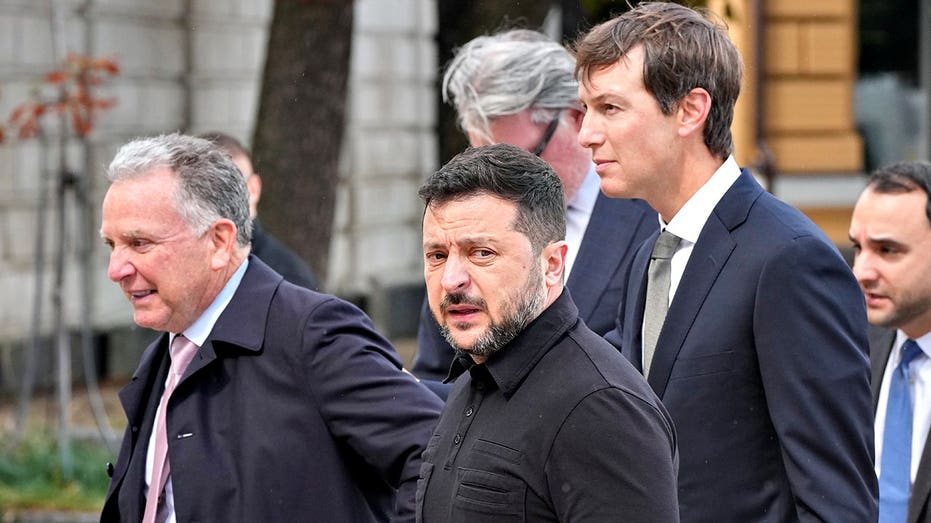
Zelenskyy Seeks Concrete Security Guarantees as Ukraine Peace Talks Near
Zelenskyy said Ukraine needs written clarity on how its allies would respond if Russia attacks again, including who would act, what resources they would use and when. His comments followed two days of discussions in Brussels on postwar security, reconstruction and funding for 2027, involving officials from the United States, Britain, France, Germany and the European Union, as well as the World Bank and BlackRock.
The Brussels sessions preceded discussions among Ukraine, Russia and the United States set for Abu Dhabi next week, the first such peace discussions since February. President Donald Trump met Russian envoy Kirill Dmitriev in Washington on Thursday and said a possible agreement would involve more than Ukraine. European Commission spokesperson Paula Pinho cautioned that substantial work remained and said Russia needed to show willingness to move forward.
Zelenskyy said Democratic victories in the U.S. midterm elections could improve the prospects for additional American aid, including Patriot missile interceptors. He also stressed the importance of keeping bipartisan support for Kyiv. Trump has criticized Zelenskyy for not making concessions, while Trump’s envoy Jared Kushner described the Brussels effort as seeking practical security arrangements.
The fighting continued as diplomatic efforts proceeded. The death toll from Monday’s Russian strike on an aid distribution site in Komyshuvakha rose to 53, with several dozen people still believed missing. Ukraine’s air force said Russia launched 227 drones overnight into Friday; Ukrainian defenses brought down or suppressed 196. Russian drones also damaged sites in eastern and central Ukraine, while strikes on energy infrastructure caused outages in seven regions.
Ukraine Needs Enforceable Guarantees, Not Another Vague Peace Promise
Ukraine is asking a basic question that any serious peace plan must answer: what happens if Russia attacks again? On November 6, President Volodymyr Zelenskyy said Western security guarantees need to spell out who responds, with what means and when. Vague assurances would leave Ukrainians facing the same danger without a clear commitment from their allies.
The request followed two days of Brussels discussions on security, reconstruction and 2027 funding, attended by officials from the United States, Britain, France, Germany and the European Union, alongside the World Bank and BlackRock. Talks among Ukraine, Russia and the United States are planned for next week in Abu Dhabi. European Commission spokesperson Paula Pinho said there was a long way to go and pointed to the need for willingness from Russia, which began the war.
Zelenskyy said this week’s Democratic election victories could help Ukraine obtain more U.S. assistance, including urgently needed Patriot interceptors. He also called for bipartisan support. That need is especially stark as Russian attacks continue: the death toll from a strike on a humanitarian aid site in Komyshuvakha climbed to 53, with dozens still believed missing. Ukraine’s air force said Russia launched 227 drones overnight, while Ukrainian defenses stopped or suppressed 196.
Trump met Russian envoy Kirill Dmitriev on Thursday and spoke of a broad agreement, but did not provide details. His criticism of Zelenskyy for refusing concessions sits uneasily beside Ukraine’s demand for concrete protection. Any peace effort that leaves the response to a renewed Russian attack undefined would fail the test Zelenskyy has set.
Ukraine’s Security Plan Must Preserve U.S. Support and Pursue a Deal
President Volodymyr Zelenskyy is right to seek clarity about postwar security, but a durable outcome will require practical arrangements and continued support across the U.S. political divide. Speaking after two days of Brussels talks, he said commitments should explain who would respond if Russia attacks again, and with what resources and timing.
The discussions covered security, reconstruction and funding for 2027, with U.S., British, French, German and European Union officials, as well as the World Bank and BlackRock. Planned three-way talks in Abu Dhabi next week offer a route to keep diplomacy moving. President Donald Trump met Russian envoy Kirill Dmitriev on Thursday and said an agreement could extend beyond Ukraine, though he offered no details.
Zelenskyy said Democratic victories in the midterm elections could improve the chances of additional U.S. aid, including Patriot missile interceptors. He also emphasized bipartisan backing, a reminder that Ukraine’s security cannot sensibly rest on one party’s support. Trump has urged Zelenskyy to make concessions, while European Commission spokesperson Paula Pinho warned that a deal remains a long way off and said Russia must show willingness to engage.
The military toll underscores the stakes. A Russian strike on an aid distribution site in Komyshuvakha killed at least 53 people, with several dozen believed missing. Ukraine’s air force said Russia sent 227 drones overnight into Friday and that 196 were shot down or suppressed. Peace talks must address those threats while avoiding promises that lack clear, workable terms.
Reported by The Philadelphia Inquirer, PBS NewsHour.