Iran War and Costs Become Flashpoints After Republican Midterm Losses
The Iran conflict and its impact on household costs became central issues in Republican efforts to explain the party’s sweeping midterm losses. An NBC exit poll found 63% of voters thought President Donald Trump was wrong to join Israel in military action against Iran. Higher fuel prices have added to pressure on consumers, while fertilizer costs have affected farmers.
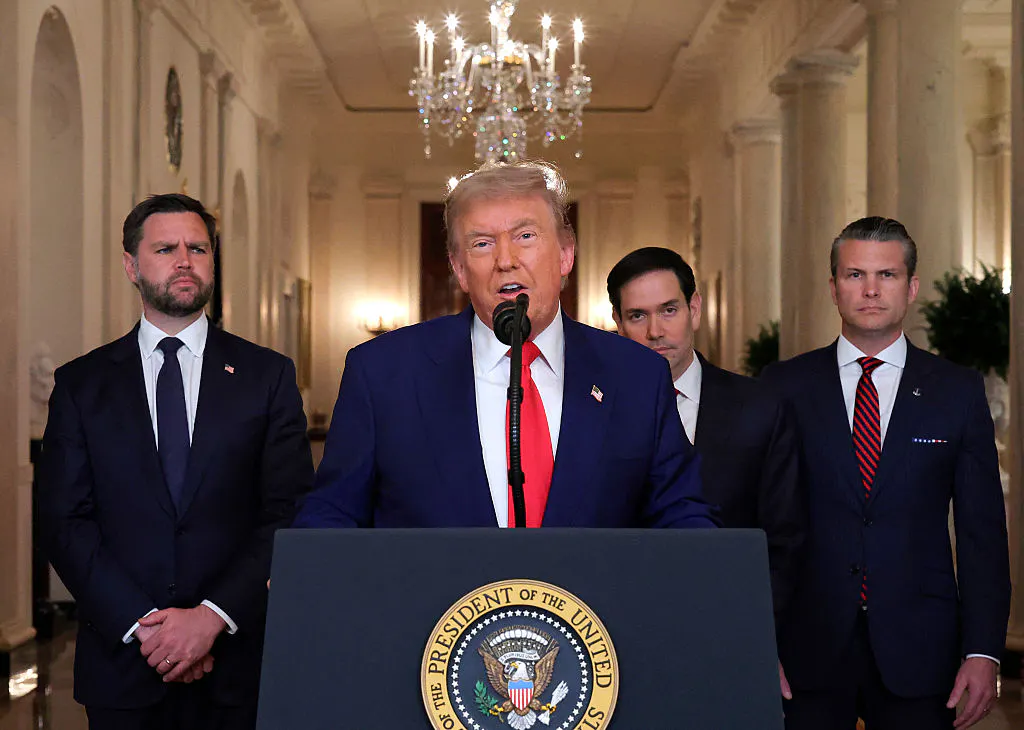
Vance said the war was the reason Republicans lost and argued that the party’s response should begin with that assessment. Florida Gov. Ron DeSantis also pointed to rising gasoline prices, warning that Republicans would lose voters’ trust if they denied the conflict had pushed costs higher. Trump said he had no regrets about the military action, but acknowledged it had raised gasoline prices in the short term.
Paul, a Republican senator from Kentucky, cited inflation, the Iran war and tariffs as sources of financial strain. He said fuel and fertilizer prices had climbed because of the conflict and called on Republicans to pursue balanced budgets and end both the war and trade disputes. A separate NBC exit-poll finding showed about 65% of voters believed Trump’s tariffs had harmed the national economy.
The election has sharpened divisions between Republicans who want a harder line on Iran and those who oppose foreign wars. Some lawmakers may use Congress’s spending powers to challenge the administration’s policy, while hawkish Republicans are likely to resist steps they see as conceding defeat. Trump said he had no immediate plan for another strike, though he said the United States was prepared to act if needed.
Republicans Pay the Price for War and Policies That Raised Costs
The message from voters was unmistakable: the Iran war and the costs tied to it helped sink Republicans in the midterms. An NBC exit poll found 63% judged Trump’s decision to join Israel in military action against Iran to be wrong. Rising fuel prices have compounded pressure on families already concerned about the cost of living.
Vance called the war the reason Republicans lost, and DeSantis acknowledged that gasoline costs had risen because of the conflict. Their admissions undercut efforts to minimize the war’s effect on voters. Trump defended the decision, saying it had to be made, even as he conceded that it had pushed gasoline prices up in the short term.
Paul also linked the defeat to inflation, the war and tariffs, saying all three burdened American families. About 65% of voters in an NBC exit poll said Trump’s tariffs had hurt the national economy. Paul urged Republicans to end the war and trade disputes and focus on balanced budgets.
Republicans now face a choice between continuing a costly conflict and listening to voters who opposed it. Some lawmakers may use Congress’s control over spending to press for an end to the war, while hawks favor maintaining a hard line. Trump says he has no immediate plan to strike Iran again, but says the United States is ready if needed.
Democrats’ Cost-of-Living Message Lands as Iran War Splits GOP
The Republican defeat has handed Democrats an opening to connect voters’ cost-of-living concerns to the Iran war and Trump’s economic policies. An NBC exit poll found 63% of voters opposed the decision to join Israel in military action against Iran, while about 65% said Trump’s tariffs had hurt the national economy.
Vance blamed the war for the losses, and DeSantis conceded that the conflict had raised gasoline prices. Those statements have put the party’s divisions on display: some Republicans want to end the fighting, while hawkish lawmakers continue to support a hard line against Iran. Trump defended the decision but acknowledged its short-term effect on fuel prices.
Paul argued that inflation, the war and tariffs have squeezed American families, and called for an end to the conflict and trade disputes. Democrats also benefited from shifts among independents and some Republicans in deep-red areas, with one Georgia Democrat saying voters were frustrated by a war launched without a persuasive explanation.
The party now faces pressure from lawmakers who may use Congress’s spending powers to challenge the administration, alongside Republicans who oppose any move that suggests defeat. Trump says he has no immediate plan for another strike, but has said the United States is prepared to act if necessary.
Reported by The Christian Science Monitor, The Daily Caller.