Trump Allies Blame Iran War for Republican Midterm Losses
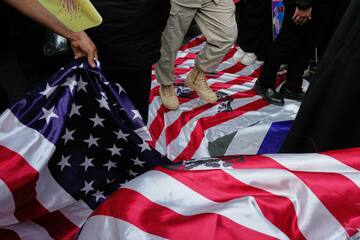
On November 3, as Republicans faced major losses in the midterm elections, allies of President Donald Trump pointed to the war in Iran as the central cause. Several people close to the White House and Republican campaign operatives said the conflict had fueled economic anxiety and rising fuel costs, hurting the party at the polls.
One strategist involved in midterm campaigns argued that the war’s economic impact had damaged Republicans. Another senior strategist said higher gas and diesel prices stemmed from the conflict, not tariffs, and urged the party to end the war and adopt an America First foreign policy.
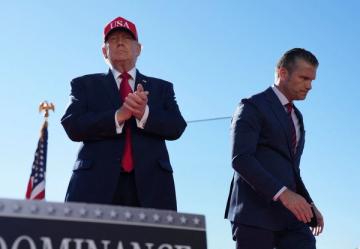
Trump had spent the previous month campaigning across nearly two dozen states, urging voters to treat the election as a choice between Democrats and his administration’s policies. Before results came in, White House officials expressed cautious optimism, citing his campaigning. As losses mounted, White House officials adopted a defiant stance.
Trump argued that he was not on the ballot and said Republicans would have won by a landslide if he had been. A White House official also pointed to candidate quality and said Trump voters turn out when he is on the ballot.
Some Republicans called for Trump to end the war on terms favorable to the United States and refocus on issues facing American families. The election results prompted allies to debate whether the conflict, the president’s standing or the candidates themselves had most damaged the party.
Iran War’s Costs Come Back to Haunt Trump’s Republicans
Republican losses in the November 3 midterms put the Iran war’s economic fallout at the center of an uncomfortable reckoning inside Trump’s own orbit. Allies of the president said the conflict had driven economic anxiety and pushed up fuel prices, helping turn voters against the GOP.
Republican strategists said higher gas and diesel costs were tied to the war, and one called the conflict a disaster. Some urged Trump to end it and pursue an America First foreign policy. Their criticism cuts against the administration’s effort to present the election as a choice between Democrats and Trump’s policies, and against its earlier confidence that his campaigning had improved Republican prospects.
Trump traveled to nearly two dozen states during the final month of the campaign. As results worsened, the White House shifted from cautious optimism to a defiant posture, with an official arguing that Trump was not on the ballot and that his supporters turn out when he is.
That response does not answer the concern voiced by Republican allies: the war and its effects on household costs may have overwhelmed the party’s campaign message. Some called for Trump to bring the conflict to an end and focus on issues facing families at home. The losses have made the political cost of the war impossible for his own side to ignore.
Republicans Must Not Let Iran War Define the Midterms
Republicans entered the November 3 midterms with Trump campaigning across nearly two dozen states and urging voters to back his administration’s policies. After the party suffered major losses, the White House stressed that Trump himself was not on the ballot and argued that his voters show up when he is.
Some Republican allies instead blamed the Iran war, saying it had raised gas and diesel prices and fed economic anxiety. They urged an end to the conflict and a return to an America First foreign policy. Their criticism highlights the risk of allowing the war to eclipse the domestic concerns Republicans had emphasized during the campaign.
The White House had been cautiously optimistic before results came in, citing Trump’s heavy campaign schedule. As the results worsened, its posture became defiant. One official argued that candidate quality mattered and that Trump had promoted some candidates more effectively than they had promoted themselves.
The dispute now facing Republicans is whether the war’s political damage should dictate the party’s response, or whether the losses also reflect the candidates and the fact that Trump was absent from the ballot. Allies calling for a quick end to the conflict say the party should refocus on American families; the White House has maintained that Trump voters are more likely to turn out when he is personally running.
Reported by The Daily Wire, New York Post, The Free Press, Wired, Hot Air, The Washington Examiner.