Stocks Give Back Most of Post-Election Rally
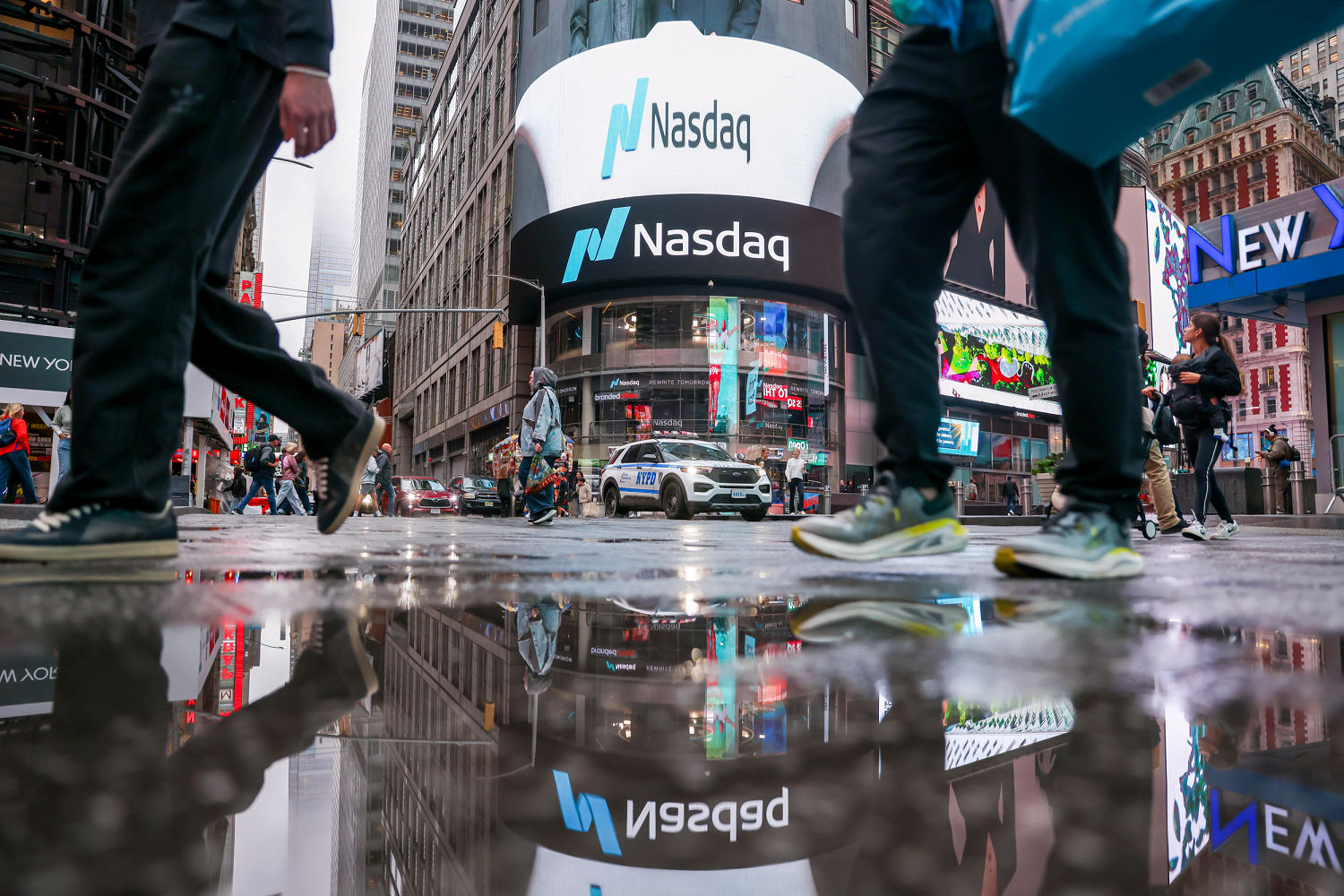
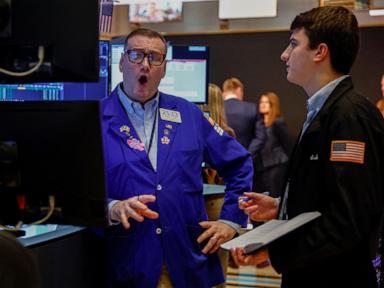
On November 5, the Dow Jones Industrial Average lost 1,220 points, or 2.2%, reversing most of its gains from the previous session. The S&P 500 fell 3.2%, while the Nasdaq dropped 4.8%, putting it more than 10% below its peak from the previous month and into correction territory.
The retreat followed a 1,570-point, or 3%, rise in the Dow on November 4. The index had not climbed so much in a single session since April 9, 2025, when Trump said he would suspend a wide range of reciprocal tariffs.
Technology shares, particularly companies linked to artificial intelligence, were among those hit hardest. Nvidia fell 7%, AMD dropped 12% and SanDisk lost more than 15%. Microsoft and Amazon each declined by more than 2%. The selloff came as investors weighed potential risks to AI companies from newly empowered Democrats, many of whom campaigned against AI data centers.
Democratic candidates won statewide races in Republican strongholds Ohio and Texas, which are home to AI data centers. Strong results in House races also appeared to put Democrats on course for a comfortable majority. Analyst Dan Ives said the election could slow the U.S. AI buildout in coming years.
OpenAI announced new data center commitments on November 5, including paying for the electricity and infrastructure its sites use, developing a water plan for each location and creating opportunities for local workers and businesses.
AI Stock Selloff Shows Stakes of Data Center Debate
The steep drop in AI-related shares puts the costs and local impacts of the industry’s rapid expansion squarely in view. On November 5, the Dow fell 1,220 points, while the Nasdaq slid 4.8% and entered correction territory, more than 10% below its previous month’s peak.
Nvidia lost 7%, AMD fell 12% and SanDisk plunged more than 15%. Microsoft and Amazon, both deeply involved in AI development and infrastructure, also declined by more than 2%. The losses followed the Dow’s 1,570-point surge on November 4, which had delivered its best session in more than a year.
Democrats made statewide gains in Ohio and Texas, where AI data centers are located, and strong House results appeared to put the party on course for a comfortable majority. Many Democratic candidates had criticized AI data centers during their campaigns. Analyst Dan Ives warned that the new political landscape could slow the U.S. AI buildout.
OpenAI’s November 5 announcement of commitments on electricity costs, infrastructure, water plans and local employment reflects the growing pressure on the industry to address what its facilities require from communities. Investors are now weighing those political and local concerns alongside the sector’s expansion.
Democratic Midterm Gains Rattle AI Stocks and Infrastructure
The market’s sharp reversal raises a clear concern for the U.S. technology buildout: whether the political shift after the midterms will make AI infrastructure harder to expand. On November 5, the Dow dropped 1,220 points, while the Nasdaq fell 4.8% and entered correction territory.
AI-related companies bore heavy losses. Nvidia fell 7%, AMD slid 12% and SanDisk lost more than 15%. Microsoft and Amazon each declined by more than 2%. The selloff erased most of the Dow’s 1,570-point gain from November 4, when the index recorded its strongest session in more than a year.
Democratic candidates won statewide contests in Ohio and Texas, both hosts to AI data centers. Strong House results appeared to put Democrats on track for a comfortable majority, and many candidates had campaigned against AI data centers. Analyst Dan Ives said the political shift could negatively affect the pace of the U.S. AI buildout in the coming years.
OpenAI responded on November 5 with commitments to cover the electricity and infrastructure costs of its facilities, make water plans for each location and create opportunities for local workers and businesses. The market’s reaction underscores the stakes of policies that could shape investment in the infrastructure behind AI.
Reported by ABC News, ABC7 Los Angeles.