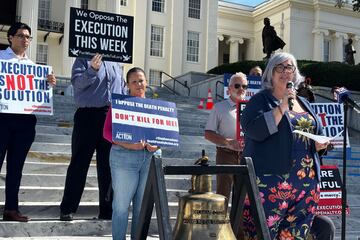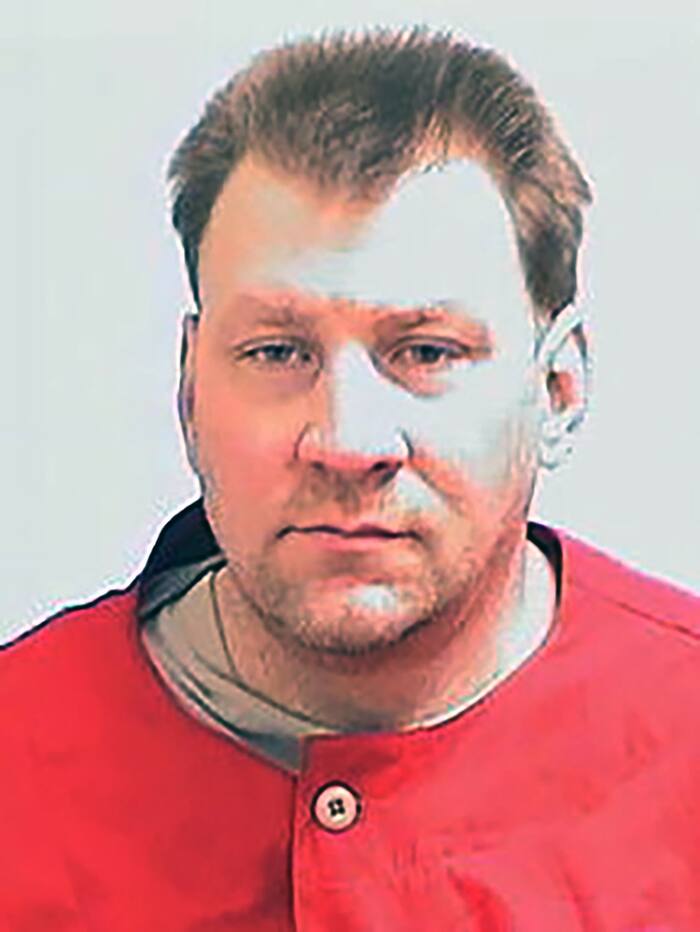
Indiana Executes Jeffrey Weisheit as Two More Executions Are Scheduled
Jeffrey Weisheit was pronounced dead on November 5 at Indiana State Prison in Michigan City, the first of three executions scheduled in the United States that day. He had no final words, and his final meal was barbecue ribs. Indiana does not allow media witnesses to executions.
Weisheit, 50, was convicted of setting a 2010 fire near Evansville that killed his girlfriend’s children, ages 8 and 5. His lawyers asked Gov. Mike Braun to allow brain scans related to prior head trauma and mental health difficulties, and to replace the death sentence with life in prison. Braun denied both requests. Weisheit also challenged the state’s planned use of lethal drugs from a pharmacy facing a disciplinary hearing; the corrections department said it was confident it could carry out the execution humanely.
Florida scheduled the execution of Jesse Guardado, 64, convicted of stabbing a 75-year-old woman in her Walton County home in 2004 and stealing valuables. If carried out, it would be Florida’s 19th execution this year, matching the state’s 2025 record. Gov. Ron DeSantis has said executions deliver justice to families who have waited decades.
Alabama scheduled the execution of Michael Taylor, 54, for killing an older couple during a robbery when he was 19. Gov. Kay Ivey rejected calls to commute his sentence. After a judge ruled nitrogen gas unconstitutional, the state planned lethal injection; a judge rejected Taylor’s challenge to the change in method. The three executions would mark the second day this year on which three people were put to death in the United States.
Three Executions Put Death Penalty Concerns Back in Focus
The execution of Jeffrey Weisheit in Indiana was the first of three scheduled for November 5, despite appeals over his health history and the state’s lethal drugs. The cases again put the costs and fairness of capital punishment in sharp focus.
Weisheit’s lawyers sought brain scans tied to reported head injuries and mental health problems, as well as a life sentence. Gov. Mike Braun refused both requests. Weisheit also challenged drugs obtained from a pharmacy facing a disciplinary hearing. He was executed at 12:45 a.m. at Indiana State Prison.
Alabama’s scheduled execution of Michael Taylor raises a stark question about punishment for crimes committed in youth. Taylor was 19 when he fatally beat an older couple during a robbery. Gov. Kay Ivey rejected calls to commute his sentence, and a judge allowed the state to switch from nitrogen gas, which had been ruled unconstitutional, to lethal injection.
Florida planned to execute Jesse Guardado, whose conviction stems from the 2004 stabbing of a 75-year-old woman. The planned execution would be Florida’s 19th this year, matching its 2025 record. The number of executions underscores how aggressively the state is using capital punishment, while the cases in Indiana and Alabama show why pleas for review and mercy remain consequential.
States Carry Out Justice as Three Executions Reach the Calendar
Indiana carried out Jeffrey Weisheit’s sentence on November 5, the first of three executions scheduled across the country that day. The cases reflect states’ pursuit of justice for victims and families after convictions and lengthy legal proceedings.
Weisheit was convicted of setting the 2010 blaze that claimed the lives of his girlfriend’s children, who were 8 and 5. Gov. Mike Braun rejected requests for brain scans and for a sentence of life in prison. Weisheit was pronounced dead at Indiana State Prison on November 5.
Florida scheduled Jesse Guardado’s execution for the 2004 stabbing of a 75-year-old woman in her home. If carried out, it would be Florida’s 19th execution this year, tying the state record set in 2025. Gov. Ron DeSantis has said executions provide long-awaited justice to families.
Alabama also planned to execute Michael Taylor, convicted of beating an older couple to death during a robbery when he was 19. A judge rejected his challenge to the state’s switch to lethal injection after nitrogen gas was declared unconstitutional. Opponents urged Gov. Kay Ivey to commute the sentence, but she declined. The scheduled cases show states continuing to enforce death sentences despite calls to halt or reduce them.
Reported by KPRC 2 Click2Houston, The Philadelphia Inquirer, Fox News, CBS News, Newsweek.