Democratic Congress Puts Wall Street and Tech on Alert
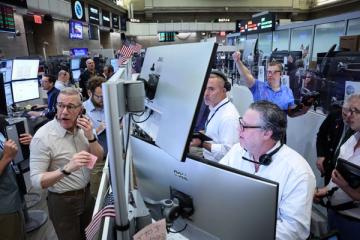
Democrats’ midterm victories are set to shift control of Congress in January, raising the prospect of new scrutiny for parts of Wall Street and the technology industry. Markets nonetheless climbed on November 4: the Dow rose 1,568 points, or 3%, while the S&P 500 gained 1.6% and the Nasdaq 1.4%.
Crypto and prediction markets could face closer oversight. Democrats may slow industry-backed crypto legislation, including the CLARITY Act, while pressing for more consumer protections. Critics of prediction markets say federal oversight leaves room to avoid gambling rules and taxes, and have raised concerns about insider trading and access by teenagers. Kalshi and Polymarket have introduced anti-insider-trading rules.
Democrats may also seek to reverse a proposal easing access to private credit and crypto in 401(k) plans. Representative Maxine Waters has urged the Labor Department to withdraw it, warning that it could put retirement savings at risk. Senator Elizabeth Warren has called for a Justice Department investigation of Bank of America after the bank acknowledged violating anti-money-laundering rules.
AI data center projects may encounter resistance, particularly in Texas, where the election results have added to uncertainty for technology companies. Analysts expect Democrats’ control to create hurdles for technology legislation, though one investor said markets could still rise as uncertainty recedes. Investors may also shift away from AI stocks, while major cloud companies could benefit if slower spending improves their finances.
Democrats Can Challenge Wall Street’s Risky Priorities
Democrats’ midterm victories give Congress a chance to push back against an agenda that critics say favors Wall Street and crypto interests over consumers. The new majorities take office in January, and investors are already weighing the prospect of tougher oversight.
Crypto legislation backed by the industry, including the CLARITY Act, could stall as Democrats seek stronger consumer protections. Prediction markets also face questions over whether federal oversight allows platforms to bypass gambling rules and taxes, while critics have warned about insider trading and teenage users. Kalshi and Polymarket have added anti-insider-trading rules.
The stakes reach household savings. Representative Maxine Waters has urged the Labor Department to abandon a proposal that would make it easier to put private credit and crypto into 401(k) plans, arguing it could expose millions of workers to riskier investments. Senator Elizabeth Warren has called for a Justice Department investigation of Bank of America after the bank acknowledged violating anti-money-laundering rules.
Democrats may also resist efforts to reduce the capital buffers banks must hold and scrutinize AI data center expansion, which has drawn opposition in communities and featured in election contests. The Dow, S&P 500 and Nasdaq all rose on November 4, but that market reaction does not settle the question of who bears the risks if oversight remains relaxed.
Democratic Sweep Threatens Investment and Tech Growth
Democrats’ midterm victories put a new obstacle in front of Wall Street and technology firms, with tougher oversight and stalled legislation likely as the party takes control of Congress in January. Investors have reason to worry about what a more restrictive approach could mean for innovation and growth.
The crypto industry’s CLARITY Act could lose momentum as Democrats push for additional consumer protections. Prediction markets and digital assets may also face closer scrutiny. Major technology companies are bracing for hurdles to AI legislation, and resistance to data center construction could disrupt projects across the country, especially in Texas.
Financial firms face pressure on other fronts, too. Democrats may try to reverse a proposal that would open 401(k) plans to private credit and crypto. They have also opposed Trump-era plans to lower the capital banks must hold against potential losses. Senator Elizabeth Warren has called for a Justice Department investigation of Bank of America after the bank acknowledged an anti-money-laundering violation.
The election shift did not prevent a rally on November 4: the Dow climbed 3%, with the S&P 500 and Nasdaq also higher. Some investors say markets can continue rising as uncertainty falls. But the prospect of slower AI spending and reduced room for financial innovation leaves technology and investment businesses facing a more difficult political landscape.
Reported by WBUR, New York Post.