League City Moves to Cover Cameras After Voters Reject Them
League City is moving to disable its fixed Flock Safety license plate cameras after voters opposed their continued use in Tuesday’s election. Unofficial results showed 54.01% favored ending the program. Proposition A was advisory, but the City Council had approved a resolution in October committing to take down the devices if voters opposed them.
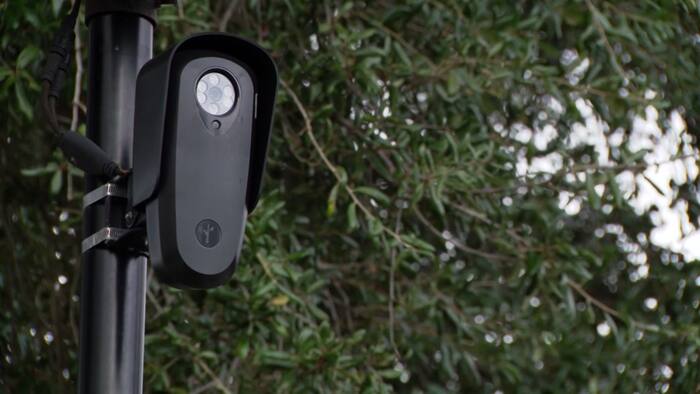
Mayor Nick Long asked staff on November 4 to cover, or “bag,” the cameras along public roads before they are removed. The resolution requires the city to take them down within 72 hours after the council canvasses the official results on November 17.
Covering the devices will prevent new data collection and sharing with outside agencies. Previously collected information is generally deleted after 30 days, unless retained as evidence in an active or existing case. The change therefore will not immediately erase all records already gathered.
The city’s administrator must examine the city’s agreements with Flock Safety and pursue options such as amendments, partial termination, nonrenewal or negotiated termination. Staff will also handle equipment returns, account closures and remaining contractual obligations. Actions or costs requiring council approval will go to the council. The city has not announced potential termination costs.
The resolution also directs staff to identify homeowners association cameras on city rights-of-way and notify owners they must be removed; officials must set a deadline as soon as feasible. The city will consider whether funds remaining after contractual obligations can support other public safety priorities, but has not named projects or amounts. Police previously said the system assisted 305 investigations over 12 months.
League City Voters Reject Police Plate Surveillance
League City’s vote against continued use of Flock license plate cameras is prompting the city to stop collecting new vehicle data while it prepares to remove the devices. Unofficial results showed 54.01% favored ending the program, and Mayor Nick Long asked staff on November 4 to cover the cameras on public roads.
That immediate step matters because the records already collected will not disappear at once. The city says data is usually deleted after 30 days, unless kept as evidence in a case; the same retention period applies to information shared with outside agencies. Until the cameras are covered, they can continue gathering information about passing vehicles.
The council’s October resolution set removal within 72 hours of the official election canvass on November 17. It also requires the city manager to review Flock contracts and pursue ways to end or change them, while accounting for costs and equipment returns. The city has not disclosed what ending the agreements could cost.
Police said the cameras assisted 305 investigations over the prior 12 months, including cases involving serious crimes and theft. But the vote put residents’ concerns about continued collection ahead of that claimed investigative value. The city will also consider how any money left after its obligations could be redirected to other public safety priorities.
League City Must Weigh Camera Vote Against Crime-Fighting Tool
League City is moving to disable a police tool that officials said assisted 305 investigations in a year, after voters rejected its continued use. Unofficial results showed 54.01% favored ending the Flock camera program, and Mayor Nick Long asked staff on November 4 to cover the devices immediately.
The cameras capture license plates and vehicle details that police can use in investigations. Police have said the system helped with cases including homicides, robberies, burglaries and thefts. Ending its use means the city will no longer collect new information through the covered cameras or share new data with outside agencies.
The council had already approved a resolution requiring removal within 72 hours after the official results are canvassed on November 17. The city’s administrator must examine the Flock agreements and pursue changes or termination, while addressing equipment returns and any financial obligations. The city has not said whether ending the agreements early will bring additional costs.
Previously collected data generally remains for up to 30 days unless preserved as evidence. The city will also examine whether funds left after meeting contractual obligations can support other public safety measures. Voters have made their preference clear, but the city’s next steps will determine how it balances that decision with the investigative work police said the cameras supported.
Reported by KPRC 2 Click2Houston, PJ Media.