Arizona Voters Approve Limits on Traffic Cameras
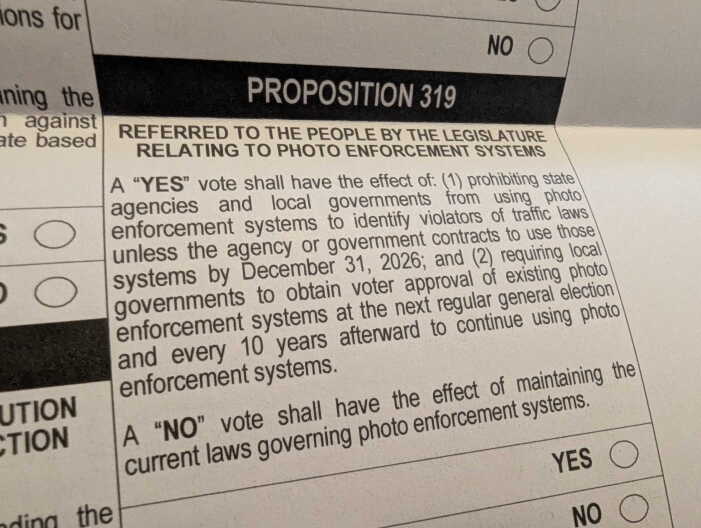
With about 84% of votes counted, 61% of Arizona voters supported Proposition 319 and just under 40% opposed it. The measure blocks state and local governments from installing new red-light and speed cameras after December 31, 2026. Phoenix and Tempe’s existing programs can continue, but must be endorsed by voters in the following general election and then at ten-year intervals.
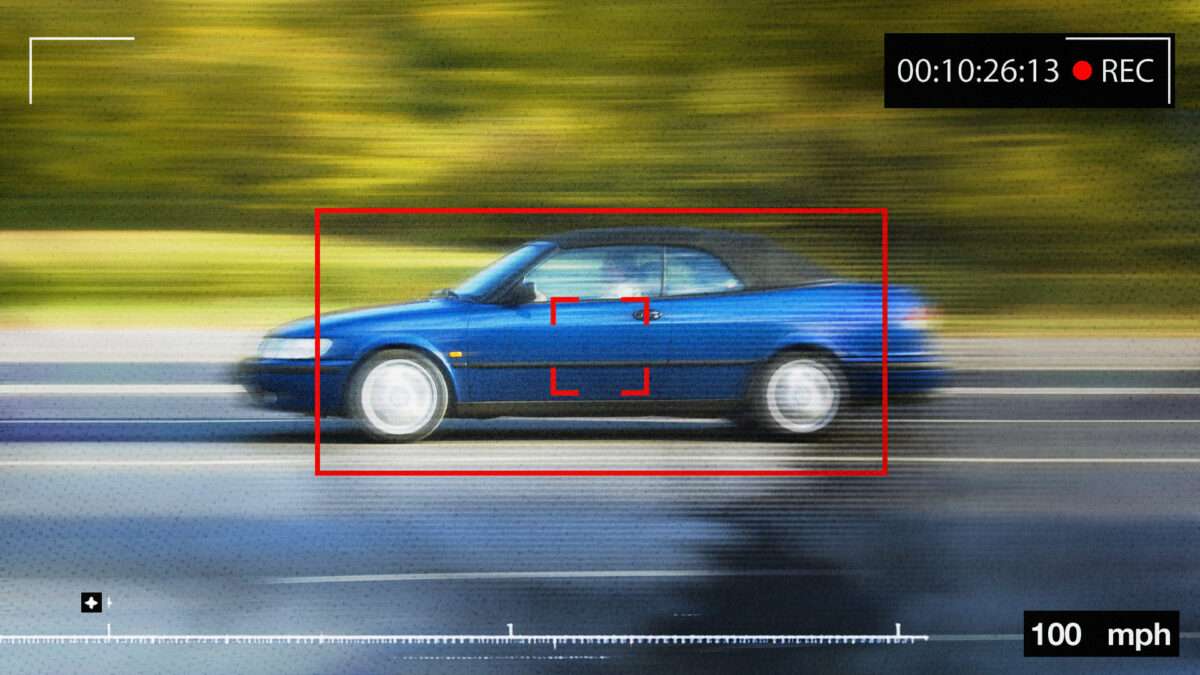
The Republican-controlled Legislature put the measure on the ballot after Democratic Gov. Katie Hobbs vetoed similar bills in 2023 and 2025. Cities had brought cameras back as officials sought ways to address traffic safety, including amid a police officer shortage. In May 2025, Tempe began operating cameras that detect speeding and red-light violations, and Phoenix restarted its program earlier this year.
Tempe Mayor Corey Woods said the cameras had changed his driving and cited a reduction of more than 21% in fatal crashes and collisions. Phoenix Councilwoman Debra Stark said preliminary studies suggested drivers were slowing down. Opponents have raised concerns about privacy, due process and fines, while supporters say the systems can improve safety. Woods said he was unsure whether the cameras would have enough support to remain after 2028.
Arizona’s Camera Ban Risks a Tool for Safer Streets
Arizona voters have made it harder for cities to use photo enforcement, approving Proposition 319 with 61% support among ballots counted so far. The measure bars new government-operated speed and red-light cameras after December 31, 2026, and puts existing programs in Phoenix and Tempe before voters for endorsement in the following general election, with another vote every decade thereafter.
Tempe Mayor Corey Woods said the cameras had changed his driving habits and cited a reduction of more than 21% in fatal crashes and collisions. Phoenix Councilwoman Debra Stark said preliminary studies showed people beginning to slow down. Those early indications matter in a debate over how cities can address dangerous driving, especially as officials have cited a police officer shortage.
The Republican-controlled Legislature sent the measure to voters after Democratic Gov. Katie Hobbs vetoed similar bills in 2023 and 2025. Critics emphasize privacy, due process and fines, but the result could constrain cities’ ability to retain a safety measure that local leaders say is working. Tempe’s mayor said he was unsure whether the cameras would have enough backing to remain after 2028.
Arizona Voters Reject Expanding Traffic-Camera Enforcement
Arizona voters have put a check on automated enforcement, approving Proposition 319 with 61% support among ballots counted so far. The measure bars new government photo-enforcement cameras after December 31, 2026, and requires existing programs in Phoenix and Tempe to gain public backing in the following general election, renewed at ten-year intervals.
The vote answers concerns that traffic cameras can impose fines without enough transparency or accountability. Phoenix Councilwoman Anna Hernandez backed the result, saying residents should have a say over cameras placed on city streets. Opponents have also raised privacy and due-process concerns, while critics argue that citation revenue can become a central feature of enforcement.
The Republican-controlled Legislature put the measure on the ballot after Democratic Gov. Katie Hobbs vetoed similar bills in 2023 and 2025. City officials have defended the systems: Tempe Mayor Corey Woods cited a reduction of more than 21% in fatal crashes and collisions, and Phoenix Councilwoman Debra Stark pointed to preliminary signs drivers were slowing down. But under the new rules, cities will have to persuade voters before continuing existing programs; Woods said support after 2028 was uncertain.