League City Voters Reject Police License Plate Cameras
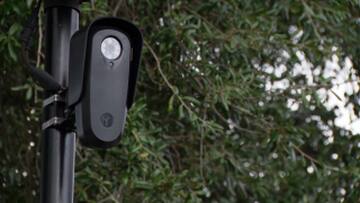
League City voters rejected Proposition A on November 3, voting against the police department’s ongoing deployment of 55 Flock cameras on public roads. Just under 54% of the 46,400 ballots cast favored removing the cameras, with all precincts reporting.
The cameras capture license plate numbers and other vehicle details, including make, model, color and identifying features. Police can use the collected information to search for vehicles that may be connected to crimes. Supporters say the technology helps investigate offenses and find people who are missing; critics have expressed worries about surveillance, data sharing and potential misuse.
Although Proposition A was designated nonbinding, the City Council approved a separate resolution on October 13 directing staff to remove the cameras or cover them within 72 hours after the election results are officially canvassed. Any devices that cannot be removed promptly must be covered to stop further data collection.
The resolution also instructs city employees to handle privately operated plate-reading systems on municipal streets, examine current Flock agreements and consider alternative uses for public safety funding. Implementation of the removal plan remains subject to contractual and legal requirements.
League City is the first Texas city to hold a referendum allowing voters to decide whether police can use the devices. Voters in Kyle and Laredo are scheduled to consider nonbinding measures next May. The debate has intensified around Houston after inquiries into claims that officers improperly accessed Flock data.
League City Voters Reject Expanding Police Surveillance
League City voters rejected Proposition A, choosing to end the police department’s use of 55 Flock cameras on public roads. Just under 54% of the 46,400 ballots cast favored removal, delivering a clear rebuke to automated collection of vehicle information.
The cameras record license plates and details such as a vehicle’s make, model, color and identifying features. Supporters argue the system helps solve crimes and find missing people, but opponents’ concerns about surveillance, data sharing and misuse are central to the vote. Investigations into allegations that officers improperly accessed Flock data have heightened scrutiny in the Houston area.
The measure was formally nonbinding, but the City Council had already approved a resolution directing staff to remove the cameras or cover them within 72 hours after the results are officially canvassed. Covered devices must not continue collecting information. The city must also review Flock contracts and address privately owned readers located in city rights-of-way.
The outcome makes League City the first Texas city where voters have decided whether police may use the devices. The vote puts a limit on a surveillance system even as supporters cite its investigative benefits; voters in Kyle and Laredo will consider nonbinding measures next May.
League City Vote Ends a Police Tool for Solving Crimes
League City voters rejected Proposition A, ending the police department’s planned continued use of 55 Flock cameras on public roads. Just under 54% of the 46,400 ballots cast favored removal, despite supporters’ view that the technology can help police solve crimes and locate missing people.
The cameras capture license plates and other vehicle details, including make, model, color and identifying features, allowing police to search for vehicles potentially linked to crime. Opponents raised concerns about surveillance, data sharing and possible misuse, while investigations into allegations of improper access to Flock data have intensified the local debate.
The ballot measure was nonbinding, but the City Council separately approved a resolution directing staff to remove the cameras or cover them within 72 hours of the official canvass. Devices that cannot be removed promptly must be covered, and the city will review its contracts and consider alternative uses for public safety funding.
The vote makes League City the first Texas city to let voters decide whether police may use these devices. The removal plan remains subject to contractual and legal requirements. Voters in Kyle and Laredo are due to weigh in on nonbinding measures next May.
Reported by The Texas Tribune, KPRC 2 Click2Houston, Newsweek, Houston Public Media, FOX 26 Houston, ABC13 Houston, Houston Press.