States Put Abortion, Voting and Redistricting Measures to Voters
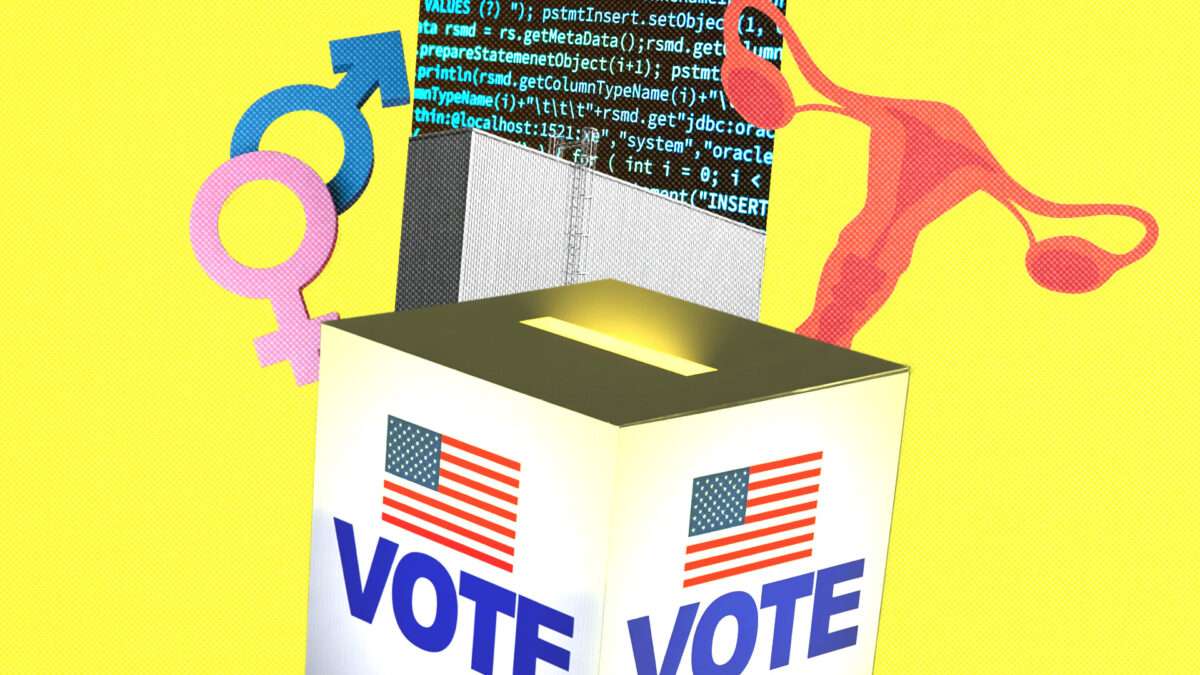
The measures are part of a slate of 145 proposed laws and constitutional amendments being decided alongside the midterm elections, which will also determine control of Congress and many state governments. Several ballot questions test priorities advanced by President Donald Trump’s administration, including limits on transgender participation in sports and tougher voter identification rules.
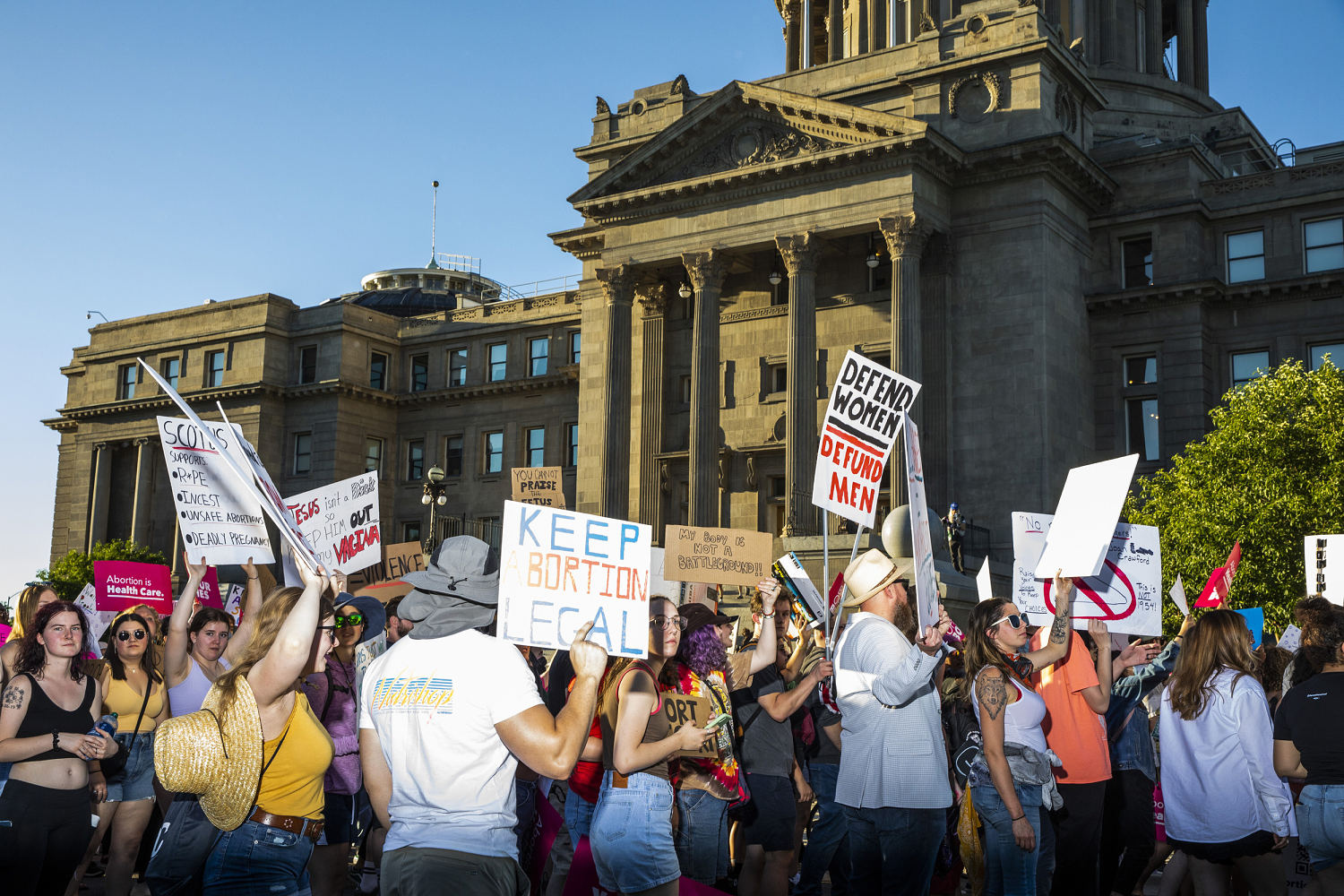
Missouri voters face an unusual reversal: they are being asked to repeal the abortion-rights amendment they approved in 2024 and replace it with a ban allowing exemptions for urgent medical situations and fetal abnormalities, as well as cases of sexual assault or incest through 12 weeks of pregnancy. The Republican-led Legislature put the proposal on the ballot. Abortion-rights groups have spent substantially more than opponents in their campaign against it.
Voters in Idaho and Nevada will consider amendments protecting abortion access before fetal viability, generally around 21 weeks. Nevada’s measure needs a second approval to take effect. A Virginia proposal would protect abortion access during the first two trimesters.
Other measures address redistricting and voting. Missouri voters will decide whether to approve new congressional districts intended to help Republicans gain a House seat; if approved, they would apply in 2028. Maryland voters are considering a measure that could enable new districts, while Colorado’s proposal would bar party-favoring redistricting. Five states are considering voter ID requirements, and six have proposals affirming that only U.S. citizens may vote.
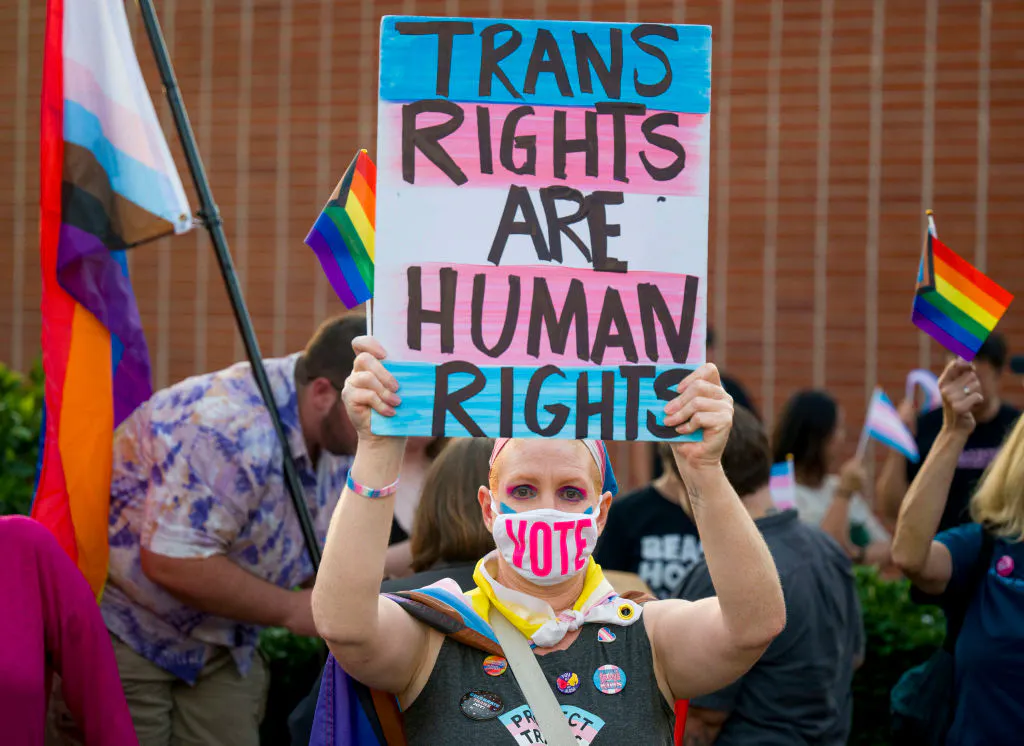
Measures in several states would restrict transgender athletes or medical treatments for minors. Colorado voters will consider both types of restriction, while Missouri’s abortion proposal would also place existing transgender medical restrictions in the state constitution.
Voters Face a Coordinated Push to Roll Back Rights
The ballot is a test of whether Republican-led efforts to restrict abortion and transgender rights can be written into state constitutions. Missouri’s Legislature is asking voters to undo the abortion-rights amendment they approved in 2024 and replace it with a ban that permits only limited exceptions. Abortion-rights groups have outspent opponents as they campaign to stop it.
Idaho and Nevada voters will consider protections for abortion before fetal viability, while Virginia’s proposal covers the first two trimesters. These votes come after the Supreme Court overturned Roe v. Wade and opened the way to state bans.
The agenda extends beyond abortion. Measures in several states would restrict transgender athletes or medical care for minors, including a Colorado proposal on treatment and a Missouri proposal that would put existing restrictions in the constitution. The measures align with restrictions promoted by Trump’s administration.
Voters will also weigh changes to congressional maps and voter rules. Missouri’s proposed districts are designed to help Republicans win another House seat; Maryland’s measure could clear a path to new districts. Colorado’s proposal would bar maps that favor a political party. Voter ID requirements are on ballots in five states, while citizen-voting measures are being considered in six, despite noncitizen voting already being barred in federal elections and described as rare.
Voters Get a Say on Abortion Limits and Election Safeguards
State voters are being asked to weigh in on issues that have often been fought through legislatures and courts, including abortion policy, protections for minors and the conduct of elections. In Missouri, voters can replace the 2024 abortion-rights amendment with a prohibition that allows exceptions for medical emergencies and fetal anomalies, as well as rape or incest through 12 weeks of pregnancy.
Missouri’s proposal would also place existing restrictions on transgender medical procedures for minors in the state constitution. Colorado voters face a separate proposal to prohibit some treatments for minors, while measures in several states would restrict transgender athletes in school sports. These questions put policies sought by Trump’s administration before voters.
Election rules are also at stake. Five states are considering voter ID mandates, and six would reinforce requirements that voting be limited to U.S. citizens. Critics call the citizen-voting measures unnecessary, noting that noncitizen voting is already prohibited in federal elections and is rare.
Voters will also decide redistricting proposals with consequences for future congressional races. Missouri’s proposed map could help Republicans gain a House seat in 2028, while Maryland’s measure could make new districts possible. Colorado’s proposal would prevent maps from favoring a political party. The ballot questions offer voters a direct role in shaping state policy and election rules.
Reported by The Daily Wire, ClickOnDetroit WDIV.