Democrats Sweep Midterms in Rebuke to Trump
Democrats captured the House and Senate and won several governors’ races, as voters across the country turned against President Donald Trump’s administration and its policies. Senate victories in Texas, South Carolina, Iowa and Kansas marked striking gains in states where Democrats had struggled for years. Races in Mississippi and Alaska remained unresolved in the reported results.
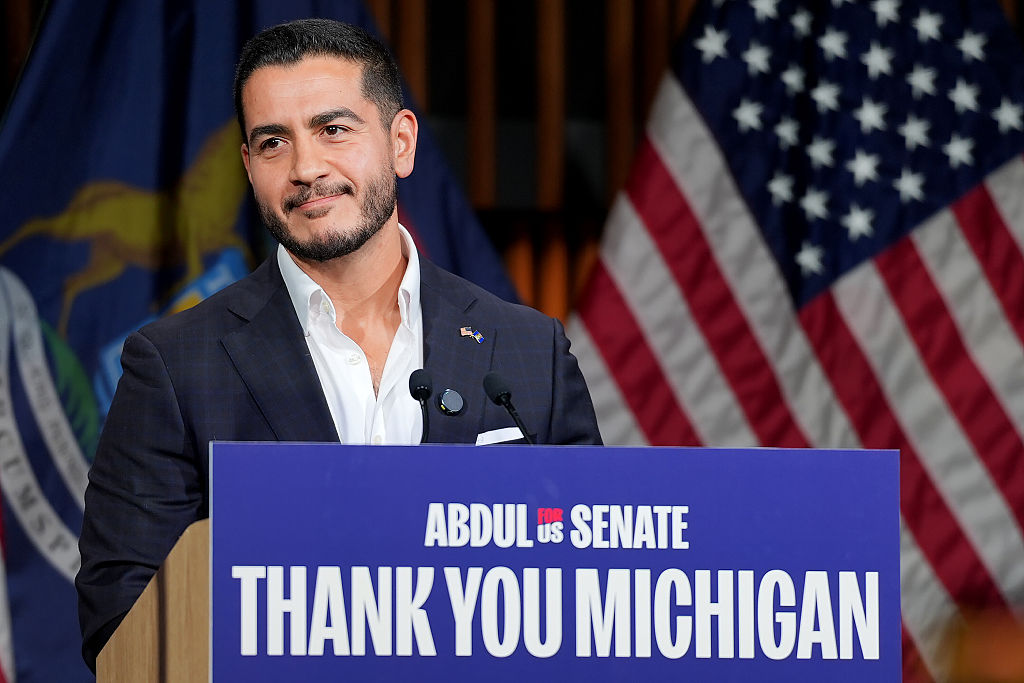
Voters also chose Abdul El-Sayed in Michigan, making him the Senate’s inaugural Muslim member, and Chris Pappas in New Hampshire, the chamber’s inaugural openly gay male member. Gina Hinojosa became Texas’s first Latina governor and the first Democrat to win the office since 1990. Georgia elected Keisha Lance Bottoms as its first Black woman governor, while New Mexico elected Deb Haaland, the first Native American governor in the country.
The results followed campaigns that put affordability and economic concerns alongside immigration enforcement, tariffs, the Iran war and Trump’s conduct in office. Democrats argued that the administration’s policies had raised costs and harmed working people; Trump had urged voters to treat the election as a judgment on his presidency. He said he would accept the results. Democrats now face pressure to act on their promises, including lowering prices, restoring health care funding and investigating Trump’s self-dealing.
Voters Reject Trump’s Cruelty and Economic Agenda
Voters delivered a decisive answer to Donald Trump’s attacks on democratic norms, immigrants and working people, handing Democrats control of the House and Senate and victories in several governors’ races. Their gains in Texas, South Carolina, Iowa and Kansas show that a pro-worker message focused on affordability can reach far beyond the party’s traditional strongholds.
The results also brought historic representation: Abdul El-Sayed became the first Muslim elected to the Senate, Chris Pappas the first openly gay man in the chamber, and Deb Haaland the first Native American governor. Gina Hinojosa won Texas’s governorship as the first Latina to hold the office and the first Democrat elected there since 1990; Georgia chose its first Black woman governor, Keisha Lance Bottoms.
Democrats now have the power to confront the damage voters rejected. They have called for lower prices, restored health care funding, an end to deportation cruelty, and scrutiny of Trump’s self-dealing. A win alone is not enough: the party must show that defending democracy goes hand in hand with improving people’s material lives, rather than returning to the economic policies that helped fuel Trumpism.
Democrats Claim a Mandate as Their Agenda Looms
The midterms handed Democrats control of the House and Senate and victories in several governors’ races, including dramatic Senate wins in Texas, South Carolina, Iowa and Kansas. The scale of the swing gives the party a powerful opening to pursue its agenda—and puts the burden on Democratic leaders to deliver rather than merely oppose President Donald Trump.
That agenda is expansive. Democrats have promised to lower prices, restore health care funding, end the Iran war, regulate artificial intelligence, tax the ultra-rich, pursue immigration reform and investigate Trump’s self-dealing. Their electoral success does not itself resolve those competing demands, and the remaining Senate contests in Mississippi and Alaska were still undecided in the reported results.
The election also produced historic firsts, including Abdul El-Sayed’s election as the first Muslim senator and Deb Haaland’s election as the first Native American governor. Voters have clearly rejected Trump’s approach, but Democrats must now answer for what they do with control of Congress. Their own call to focus on ordinary voters will be judged against the long list of priorities they have put forward.
Reported by Jacobin, The Philadelphia Inquirer.