Democrats Projected to Retake Both Chambers in Midterms
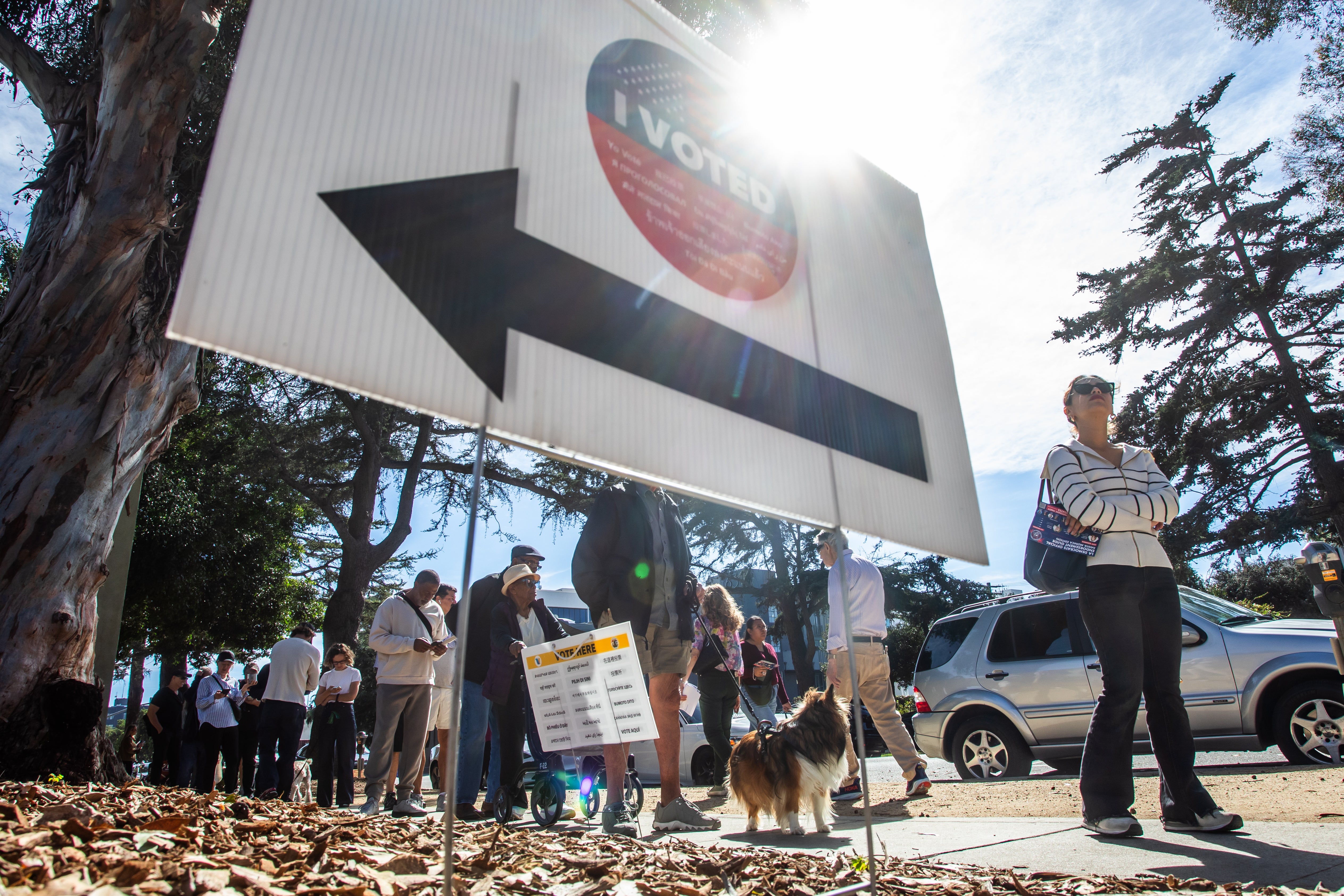
Donald Trump was not on the ballot, but he urged voters to treat the midterm elections as a test of his presidency. Early results suggested the effort did not bring Republican candidates the turnout or victories they needed: Democrats were projected to take both chambers of Congress from the president’s party. Many races were still undecided at 1 a.m., but the results were already shaping up as one of Democrats’ strongest election nights since Trump entered politics in 2016.
Democrats also won statewide contests across Texas, Iowa, Ohio, Kansas and South Carolina, states that had recently appeared difficult for the party. In Georgia, former Atlanta mayor Keisha Lance Bottoms was elected the country’s first Black woman governor. In Ohio, Democrat Sherrod Brown returned to the Senate after winning a special election to fill the seat vacated by JD Vance when he became vice president.
Other results underscored the limits of Trump’s backing. Ohio voters rejected Republican governor candidate Vivek Ramaswamy, a Trump ally, and Texas Attorney General Ken Paxton lost after Trump endorsed him over a longtime Republican incumbent. In South Carolina, Democrat Annie Andrews won a Senate seat, ending a Democratic drought in the state that dated to 1998.
If the projections hold, Democrats will be able to block parts of Trump’s agenda, investigate his administration and determine whether his nominees advance through the Senate, including nominees to federal courts. The outstanding races will decide the final margins and the extent of that power.
Voters Deliver a Check on Trump and His Party
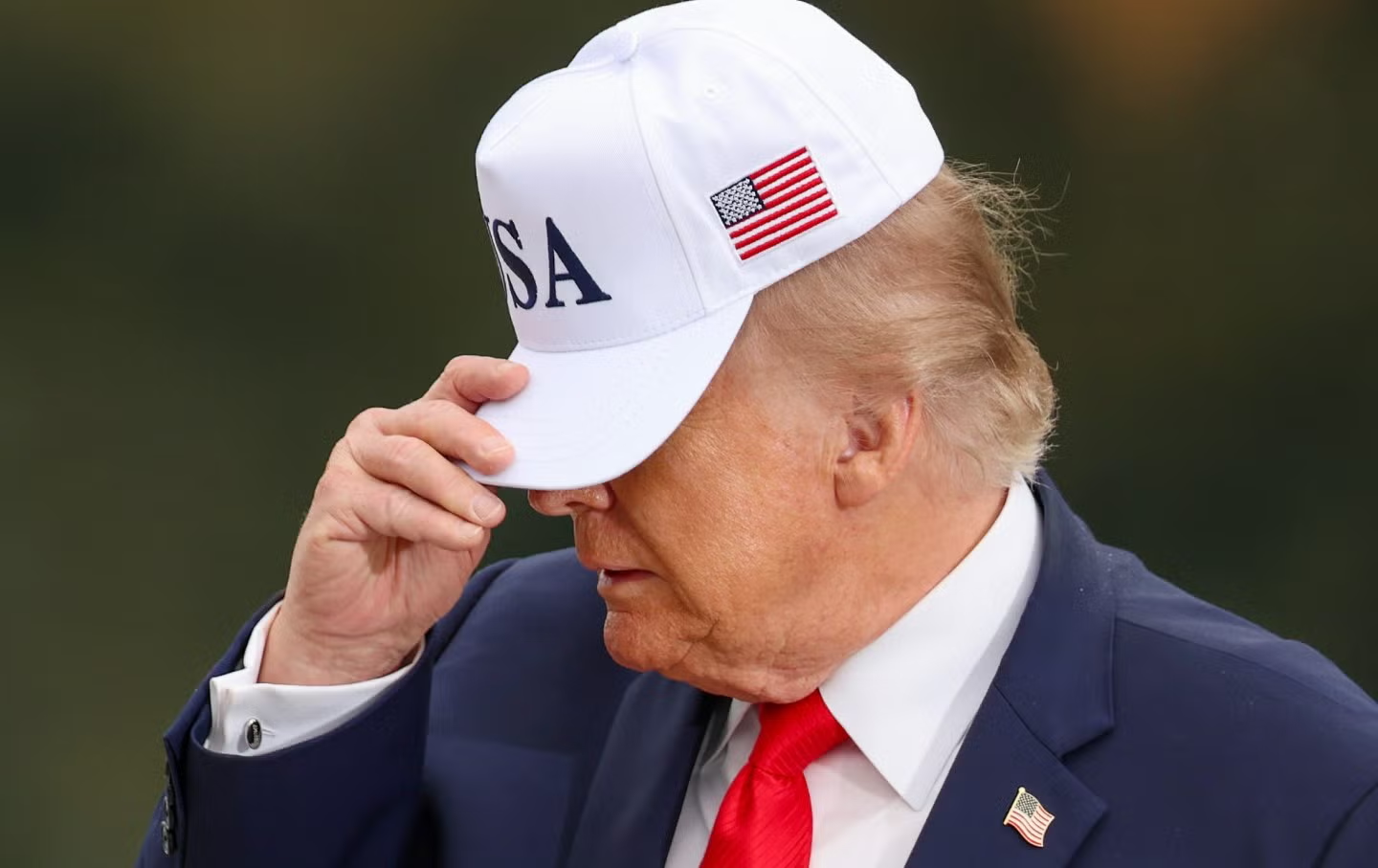
Donald Trump made the midterms a referendum on his leadership, urging supporters to turn out even though his name was not on the ballot. The early result was a sharp rebuke: Democrats were projected to take both the House and Senate, giving voters a chance to put limits on a president who has reshaped his party around himself.
Democratic victories reached well beyond the party’s recent strongholds. The party prevailed in statewide races across Texas, Iowa, Ohio, Kansas and South Carolina. Georgia elected former Atlanta mayor Keisha Lance Bottoms as the nation’s first Black woman governor. In Ohio, Sherrod Brown won back a Senate seat in a special election after losing it in 2024.
Trump’s endorsements did not rescue key allies. Ohio rejected Vivek Ramaswamy in the governor’s race, while Texas voters turned away Ken Paxton, whom Trump had backed over a Republican incumbent. South Carolina elected Democrat Annie Andrews to the Senate, the state’s first Democratic senator since 1998.
The stakes now extend to the rest of Trump’s term. If the projections stand, Democrats can obstruct his legislative program, investigate his administration and decide whether his judicial nominees move forward. The results suggest that personal loyalty to Trump did not guarantee victories for the candidates he chose to support. Many contests remained uncalled at 1 a.m., but the broad direction was clear.
Democrats’ Midterm Gains Put Trump Agenda at Risk
Democrats were poised to take control of Congress in the midterms, putting the final stretch of Donald Trump’s presidency at risk of legislative gridlock. Trump urged Republicans to vote as if he were on the ballot, but early returns showed Democrats making gains across the country. At 1 a.m., numerous contests remained uncalled, and the final margins were still uncertain.
If the projections hold, Democrats will be able to obstruct Trump’s priorities, investigate his administration and control the Senate’s consideration of nominees, including candidates for federal courts. That would give the opposition party a powerful means to constrain a president who has already altered the makeup of the nation’s highest court.
The losses included candidates Trump backed: Vivek Ramaswamy in Ohio and Ken Paxton in Texas. Democrats also prevailed in statewide races across Texas, Iowa, Ohio, Kansas and South Carolina. Georgia elected Keisha Lance Bottoms governor, while Ohio sent Sherrod Brown back to the Senate in a special election. In South Carolina, Annie Andrews won a Senate seat for Democrats, the first time the state had elected a Democratic senator since 1998.
The results expose the risk of making a party’s fortunes depend so heavily on one leader: Trump’s influence did not carry every candidate he supported across the finish line. With control of both chambers projected to change hands, the coming fights over legislation, investigations and judicial appointments could define the remainder of his term.
Reported by The Daily Beast, MSNBC, Rolling Stone.