Republicans Blame Trump as Midterm Losses Spur Calls for a Reset
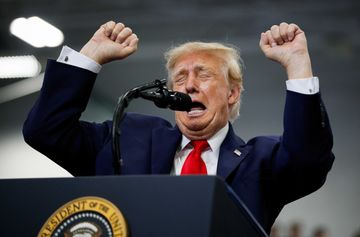
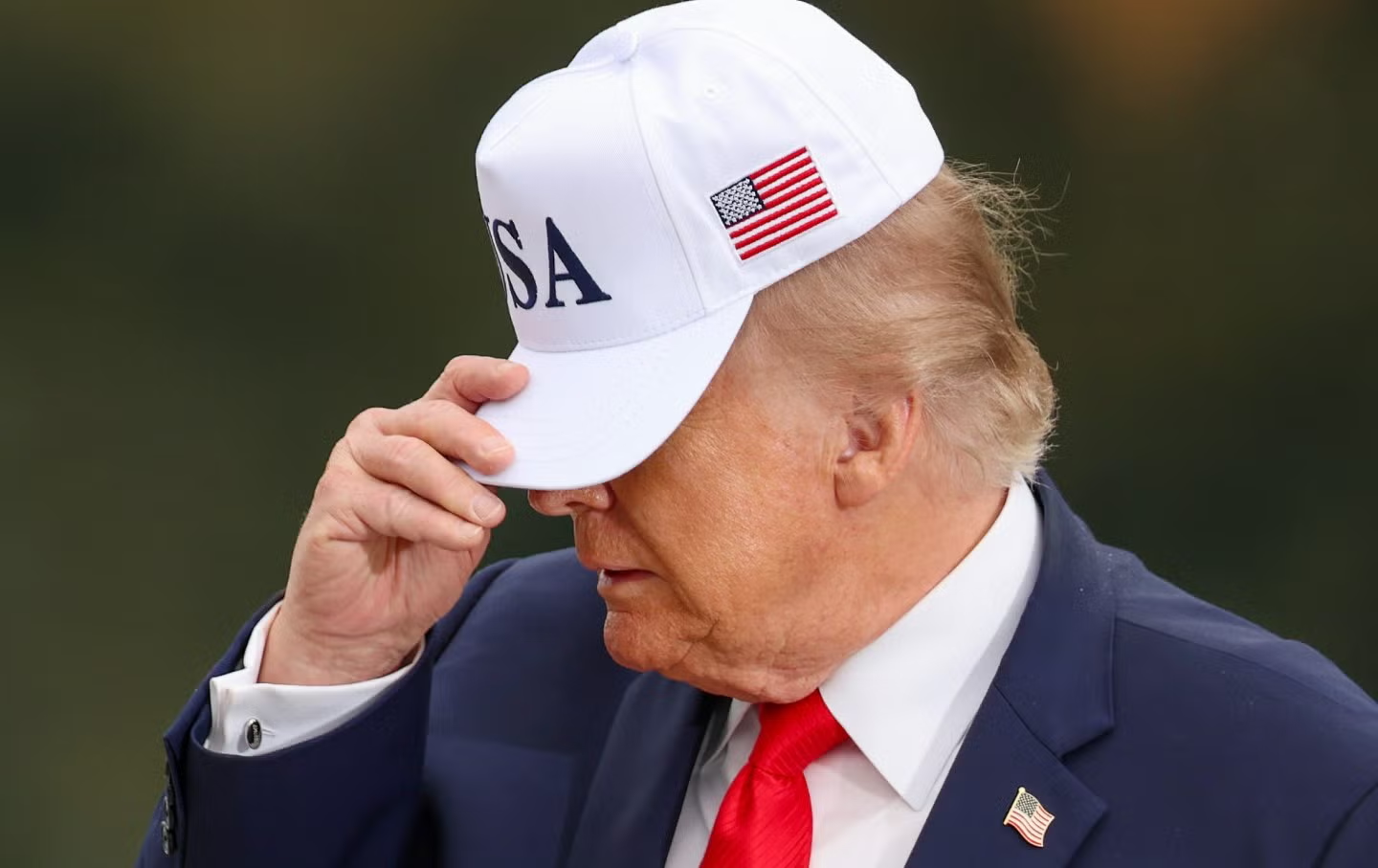
Republican operatives began turning on Donald Trump as the scale of the party’s midterm defeats came into focus on November 3. Some said the results showed the party needed to distance itself from the president, while others argued Republicans could now speak more openly about their concerns without fearing a primary challenge tied to Trump’s influence.
Their criticisms ranged from Trump’s conduct to his decisions on policy. Michigan operative Todd Gillman said the party should move away from him and pointed to his public remarks as tiring voters. Ohio party chair Matt Dole said Republicans might seek a return to normalcy by rejecting Trump’s style, while retaining his policies and ideology. He cited Trump’s proposals involving the Gulf of Mexico, Lake Ontario and Greenland.
Consultant Ryan Girdusky said the coalition Trump assembled had fallen apart, including among young voters, and pointed to dissatisfaction with the Iran war and tariffs. Bobby Charles, who lost Maine’s gubernatorial race, said he was optimistic about the party’s future because Trump would leave office in two years.
Trump defended his record during a late-night call to Fox News, disputing the network’s polling and praising his presidency. White House adviser Alex Bruesewitz blamed Republican candidate quality, including in Georgia’s Senate race. A Republican operative rejected that explanation, noting that House Republican campaign chairman Richard Hudson also lost his North Carolina district. The results have opened a debate within the party over whether to change its candidates, Trump’s approach or both.
Republicans Can No Longer Ignore the Damage Trump Did
The Republican midterm losses have made it harder for the party to shield Donald Trump from responsibility. Operatives said the results exposed the cost of his approach, with some arguing that Republicans can now criticize him without the same fear of a primary challenge.
Their concerns went beyond campaign presentation. They cited the Iran war, tariffs and Trump’s conduct, while consultant Ryan Girdusky said the party’s winning coalition had unraveled and young voters were turning out less for Republicans. Michigan operative Todd Gillman said Republicans should move away from Trump; Ohio party chair Matt Dole said the party needs a return to normalcy, even if it keeps Trump’s policies.
Trump instead defended his record in a late-night call to Fox News, disputing polling that showed him unpopular. White House adviser Alex Bruesewitz blamed weak candidates for the defeats, but a Republican operative called that an inadequate explanation, pointing to the loss of House campaign chairman Richard Hudson in North Carolina. The party’s challenge now is whether it will confront the president’s role or settle for blaming candidates while keeping his course intact.
GOP Must Fix Its Candidates, Not Abandon Trump’s Agenda
Republicans facing a midterm wipeout are debating whether to change Trump’s style or retreat from the policies that have defined his presidency. Ohio party chair Matt Dole argued that a return to normalcy need not mean rejecting Trump’s ideology or agenda, even as other operatives called for the party to distance itself from him.
The losses have intensified scrutiny of Republican candidates. White House adviser Alex Bruesewitz said uninspiring candidates and ineffective communication contributed to the results, including in Georgia’s Senate contest. But one Republican operative said candidate quality alone could not explain the outcome, pointing to House Republican campaign chairman Richard Hudson’s defeat in North Carolina.
Trump pushed back against polling that showed him unpopular during a late-night call to Fox News and defended his record. Critics within his party blamed the Iran war, tariffs and his public conduct, while consultant Ryan Girdusky said the coalition Trump built had disappeared, with young voters less engaged. Republicans now face a choice between changing the president’s presentation while retaining his policies, or accepting the argument that his leadership itself drove voters away.
Reported by Raw Story, The New Republic, Fox News.