Republicans Blame Trump and Each Other for Midterm Losses
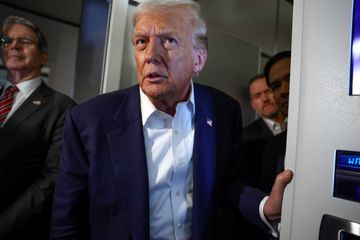
Republicans began assigning blame after suffering historic losses in the November 3 midterm elections. President Donald Trump said he had not been on the ballot, despite having urged voters in the preceding weeks to imagine that he was. The White House blamed losing candidates, while some Republicans faulted Trump’s policies and the party’s direction.
Republicans Face Fallout From Trump’s Midterm Collapse
Republicans’ historic midterm losses have put Donald Trump’s leadership and policies at the center of a party-wide blame game. Trump had urged voters to imagine he was on the ballot, then said after the November 3 election that he was not. The White House, meanwhile, blamed the candidates who lost.
Some Republicans directly criticized Trump. Outgoing Rep. Don Bacon said voters disliked the president’s handling of gas prices, tariffs, allies and Russia; his Nebraska seat went to a Democrat. Sen. John Curtis also condemned the war with Iran and unpredictable tariffs, calling for a return to conservative principles.
The dispute reaches beyond Trump. Rep. Thomas Massie argued that Republicans had betrayed promises by failing to put Americans first and by supporting the Iran war. Vice President JD Vance was praised by Republicans for identifying the war as the real reason for the losses. As the party prepares to choose a House minority leader, its factions are already jockeying over what went wrong. The finger-pointing underscores the stakes of a party that campaigned with Trump at the center, then watched its losses trigger competing efforts to distance itself from his record.
Republicans Must Learn From Voters’ Rejection of Weak Leadership
Republicans’ historic losses have exposed a party that failed to deliver the conservative leadership voters expected. Rep. Greg Steube blamed congressional leaders for governing timidly and giving too much ground to moderates, urging them to step aside. His criticism points to a failure of resolve, not a reason to abandon conservative principles.
Other Republicans offered different explanations. Outgoing Rep. Don Bacon blamed President Donald Trump’s low favorability and his handling of tariffs, gas prices and foreign affairs. Sen. John Curtis criticized the Iran war, tariffs and rising debt. Rep. Thomas Massie faulted colleagues for supporting the war and failing to put Americans first. Vice President JD Vance also drew praise for calling the war a real reason for the losses.
The White House blamed the losing candidates, while Trump said he was not on the ballot—even though he had urged voters beforehand to imagine he was. As Republicans head into a contest for House minority leader, the party faces a choice about what to change. Steube’s argument is that leaders who feared governing conservatively disappointed the voters who elected them; a leadership shake-up, he said, should bring a more determined direction.
Reported by The New Republic, Daily Kos, Semafor, Vox.