Democrats Win Both Houses in Historic Midterm Rout
Democrats won control of both chambers of Congress in the November 3 midterm elections, while also making gains in state races. The party’s House popular-vote margin was projected to reach 13 percentage points, and its Senate majority was expected to be 54 or 55 seats as vote counting continued.
The results included Democratic victories in Texas, where James Talarico defeated Republican Ken Paxton in the Senate race and Gina Hinojosa defeated incumbent Gov. Greg Abbott. Democrats also won Senate contests in Kansas and Iowa. Their advances extended into other traditionally Republican states, while Republicans held Alabama’s Senate and governor’s races.
The election unfolded amid public anger over the Iran war and rising fuel prices. Libby Klinner, whose husband, an Air Force pilot, died in a plane crash in Iraq while taking part in a war-related operation, said she voted for candidates who would oppose the conflict and act as a check on the administration. She also cited healthcare costs, public schools and military treatment among her concerns.
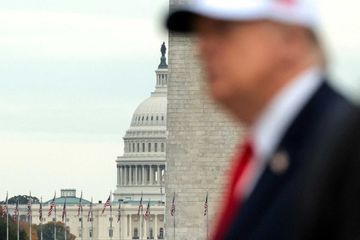
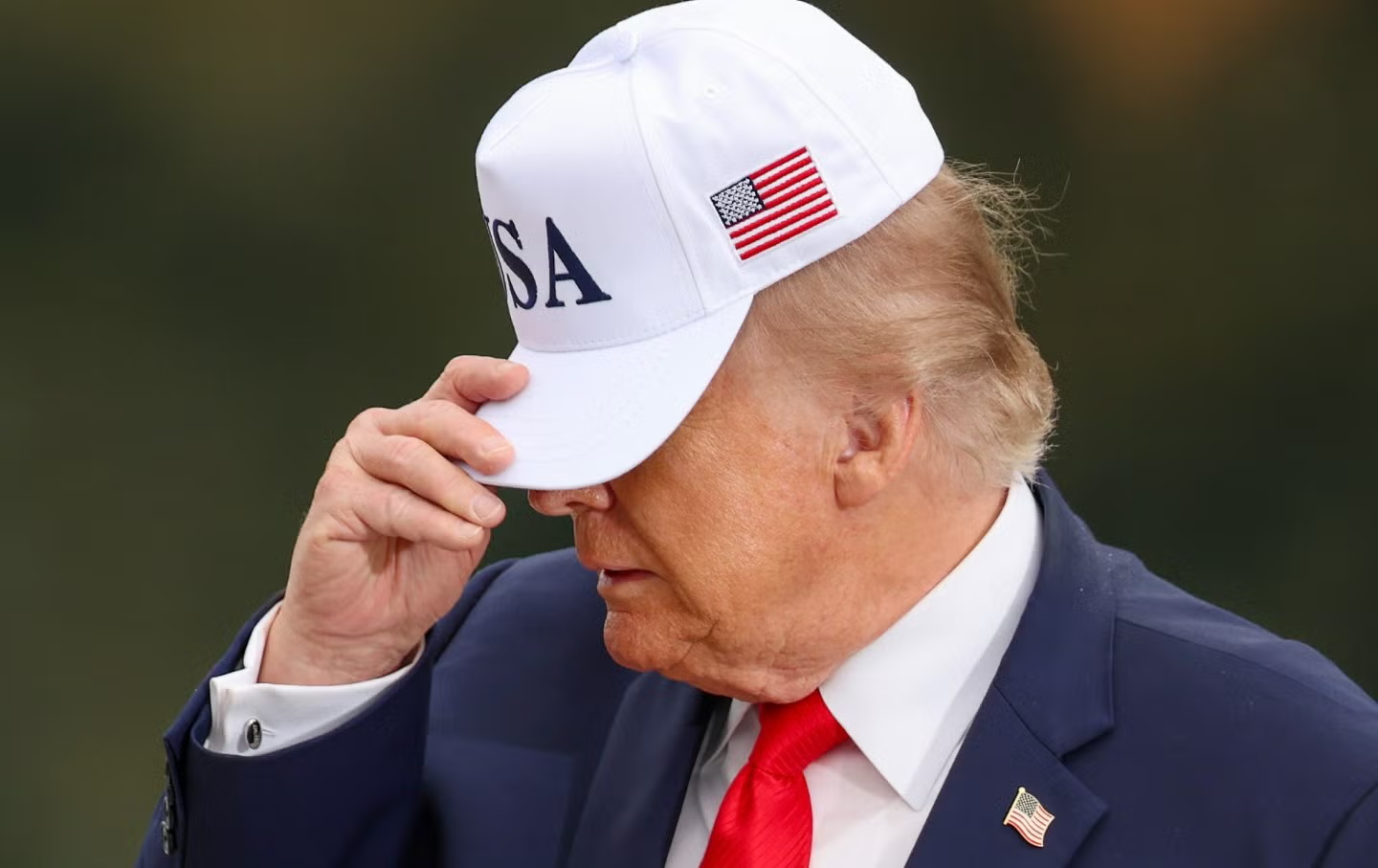
Trump rejected responsibility for the losses, saying he had not been on the ballot and claiming Republicans would have won by a landslide if he had been. He also blamed media coverage and other Republicans. The Democratic gains included high-profile wins by Black, Muslim and openly gay candidates, and could reshape the electoral map if the party sustains its progress in the South. Further vote counting was expected to clarify the final seat totals.
Voters Reject Trump’s War and Give Democrats Congress
The midterms delivered a sweeping rebuke to Donald Trump and the Republicans who backed his agenda. Democrats took the House and Senate, with a projected 13-point advantage in the House popular vote and an expected Senate majority of 54 or 55 seats as counting continued.
The party’s victories reached deep into Republican territory. James Talarico defeated Ken Paxton in Texas’s Senate race, and Gina Hinojosa unseated Gov. Greg Abbott. Democrats also won Senate races in Kansas and Iowa, while expanding their presence across the South. The results suggest that states long treated as safely Republican may be increasingly competitive.
The war in Iran and higher fuel prices were central issues. Libby Klinner, whose husband died in a crash in Iraq while taking part in an operation related to the war, said she voted for candidates who would oppose the conflict, protect public schools and make healthcare more affordable. Her account underscored the human costs behind a policy voters had the chance to judge at the ballot box.
Trump disclaimed responsibility for the losses, despite having urged voters to treat the election as a judgment on him. The Republican campaign’s appeals around social and cultural divisions failed to prevent Democrats from electing candidates including a Black woman governor, a Muslim senator and an openly gay senator. Democrats now have the opportunity to challenge the administration’s policies and use their congressional majorities as a check on its power.
Democrats’ Midterm Sweep Risks Empowering the Left
Democrats’ sweeping midterm victory gives the party control of both chambers and a powerful opening to block President Donald Trump’s agenda. The projected House popular-vote margin was 13 points, with Democrats expected to hold 54 or 55 Senate seats as votes were still being counted.
The gains included Texas, where James Talarico defeated Ken Paxton for a Senate seat and Gina Hinojosa defeated Gov. Greg Abbott. Democrats also won Senate contests in Kansas and Iowa, while Republicans held Alabama’s governor’s race and Senate seat. The scale of the shift across traditionally Republican states makes the new majority especially consequential.
Democrats campaigned against the Iran war and rising fuel prices, and Libby Klinner, whose husband died in a crash in Iraq while taking part in an operation linked to the conflict, said she supported candidates who would oppose the war and check the administration. Her views were among the concerns voters weighed, alongside healthcare costs, schools and the treatment of military personnel.
Trump disputed that the result was a verdict on him, arguing Republicans would have won had he been on the ballot. But the new Democratic majorities can now press to end the war and pursue their own priorities. Their victories also strengthen a party whose candidates are making inroads in states Republicans have long counted on, setting up a sharp contest over the direction of national policy.
Reported by The Nation, The Daily Beast.