California Voters Approve Higher Rainy-Day Fund Cap
California voters approved Proposition 2 on November 3, raising the limit on how much state leaders can put into reserves during strong economic periods. Nearly 60% backed the measure, which was projected to pass as ballots were counted.
The new cap allows the governor and lawmakers to save up to 20% of general fund tax revenue, compared with 10% under current rules. The state must also save more when revenue grows faster. Existing requirements to set aside 1.5% of general fund revenue and spikes in capital gains taxes for reserves and debt payments remain in place.
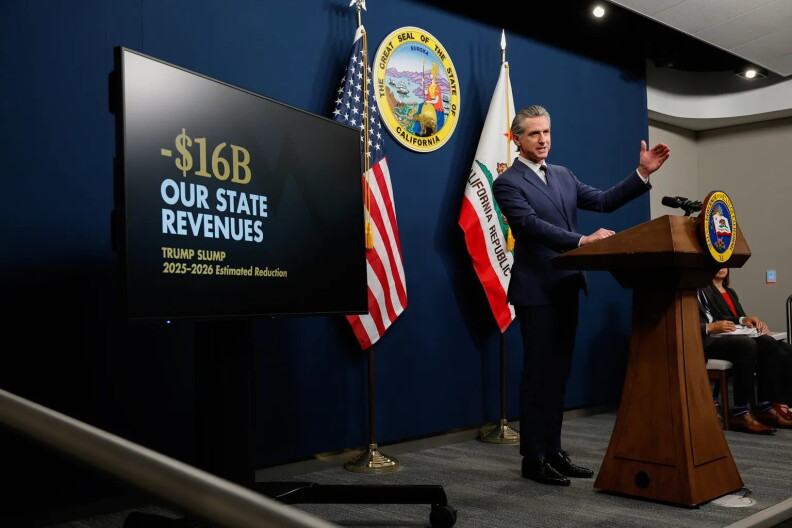
Supporters, including Gov. Gavin Newsom, Democratic legislators, labor unions and business groups, say a larger reserve would help California withstand downturns. The state’s budget income is closely tied to stock-market gains among affluent residents, and the current boom—fueled in part by artificial intelligence—could fade. Supporters also point to potential federal cuts to health care and food assistance.
Republican critics argue that a bigger reserve could encourage lawmakers to spend too freely, and say strong-revenue years should bring taxpayer refunds instead. Current law allows up to half the reserve to be withdrawn during a declared and ratified budget emergency. Newsom used at least $4.9 billion for the 2024–25 budget and $7.1 billion for 2025–26. Critics say the rules leave leaders too much discretion over spending.
California Voters Back Stronger Buffer Against Economic Shocks
California voters approved Proposition 2 on November 3, choosing a larger financial cushion as the state faces economic uncertainty and possible federal reductions to health care and food assistance. Nearly 60% supported the measure, which raises the reserve cap from 10% to 20% of general fund tax revenue.
The state’s revenues rise and fall with wealthy residents’ stock market earnings, and the current boom, including gains tied to artificial intelligence, may not last. Supporters say saving more in prosperous years can help protect essential services when revenues drop, rather than forcing cuts during a downturn.
Democratic Gov. Gavin Newsom and legislators backed the measure, alongside labor unions, business groups and advocates for health care, housing and transit. The measure also requires more saving when revenue grows faster, while preserving current rules for reserves and debt payments.
Republicans opposed the plan, arguing that a larger reserve could make it easier for lawmakers to spend beyond their means. They say taxpayers should receive refunds in good years. But the existing system already allows withdrawals during declared budget emergencies, and Newsom tapped at least $12 billion from reserves for the 2024–25 and 2025–26 budgets. Proposition 2 keeps those rules while allowing more to be saved, giving California more room to manage future shocks.
California Expands Reserve Cap Instead of Returning More Revenue
California voters approved Proposition 2 on November 3, giving state leaders permission to put up to 20% of general fund tax revenue into reserves. The higher ceiling doubles the current 10% limit, despite Republican warnings that more backup money could encourage overspending rather than protect taxpayers.
The measure keeps existing rules that require the state to set aside 1.5% of general fund revenue and capital-gains tax spikes for reserves and debt payments. Up to half the reserve can be withdrawn during a declared budget emergency. Gov. Gavin Newsom used at least $4.9 billion for the 2024–25 budget and another $7.1 billion for 2025–26, withdrawals critics said reflected spending that remained too high even amid strong revenues.
Republicans argued that a good revenue year should mean taxpayer refunds, not a larger pool of money for Sacramento to control. They also warned that governors and lawmakers have too much discretion over how reserves are spent, including the ability to draw on them when forecasts fall short.
Democrats, led by Newsom and the measure’s legislative supporters, say the new cap will help California ride out a downturn and absorb potential federal cuts to health care and food assistance. Nearly 60% of voters approved the plan. Its supporters frame the change as prudent preparation; its critics see a larger reserve without stronger limits on spending.
Reported by LAist, New York Post.






