California Proposition 2 Would Double Rainy Day Fund Cap
Proposition 2, called the Save for California’s Future Act, would raise the maximum deposit into California’s rainy day fund from 10% to 20% of general fund tax revenue. It would also require larger deposits when revenue is growing faster and permit some money to go toward the state’s $20 billion federal unemployment insurance debt.
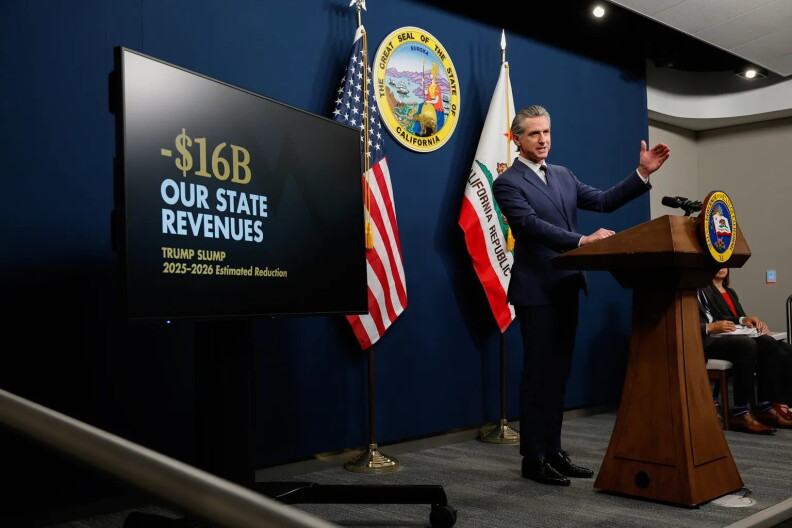
Supporters say a larger reserve would help California handle downturns and protect essential services. The state’s revenue can swing with stock market gains among wealthy taxpayers, and supporters point to the risk that a boom may fade as a reason to save more. Gov. Gavin Newsom and Democratic lawmakers led the proposal, which also has support from labor unions, business groups and organizations focused on health care, housing and transit.
Opponents, including most Republican lawmakers, argue that the state should return surplus money to taxpayers rather than put more into reserves. They also warn that lawmakers have too much discretion over how savings are used. Assemblymember Carl DeMaio criticized the proposal’s claims of fiscal responsibility, while former economic adviser David Crane said officials could build spending plans around optimistic forecasts and rely on reserves if revenue falls short.
Voters approved California’s existing rainy day fund rules in 2014. They require deposits of 1.5% of general fund revenue and certain capital gains tax spikes, and allow withdrawals during a declared and legislatively approved budget emergency. Proposition 2 would preserve those rules while expanding the savings cap. It would also exempt certain deposits from the state spending limit, which otherwise governs how tax revenue above its formula-based threshold is divided between schools and taxpayer refunds.
California Needs a Stronger Reserve Before the Next Downturn
California’s boom-and-bust budget cycle makes a stronger rainy day fund a practical safeguard, and Proposition 2 would double the deposit cap from 10% to 20% of general fund tax revenue. Under the measure, deposits would rise when revenue grows more quickly, and lawmakers could direct some funds to California’s $20 billion federal unemployment insurance debt.
Supporters say reserves can help preserve essential services when the economy weakens. California depends heavily on tax revenue tied to wealthy residents’ stock market gains, and supporters warn that a boom may not last. Gov. Gavin Newsom and Democratic lawmakers have backed the measure, alongside unions, business groups and advocates for health care, housing and transit.
The existing rules, approved by voters in 2014, require deposits of 1.5% of general fund revenue and certain capital gains tax spikes. Proposition 2 would keep those rules while allowing more savings and exempting certain deposits from the state spending limit. It would also preserve the existing emergency process for withdrawals.
Republican opponents want surplus revenue returned to taxpayers and argue that more savings could give lawmakers room to spend too freely. But holding a larger reserve is meant to reduce the pressure for cuts when revenues fall, rather than leave California exposed to another downturn.
Proposition 2 Gives Sacramento More Control Over Tax Surpluses
Proposition 2 would double the cap on California rainy day fund deposits, from 10% to 20% of general fund tax revenue, and permit the state to use some of its funds to reduce its $20 billion obligation for federal unemployment insurance. The measure would also exempt certain deposits from the state spending limit, changing how surplus revenue is allocated.
Republican lawmakers and other opponents argue that surplus money should go back to taxpayers rather than be kept under lawmakers’ control. They warn that a larger reserve could function as a pot of money politicians can use with too much latitude, while the proposal could prevent rebates that would otherwise follow when revenue exceeds the state limit.
California’s existing reserve rules, approved by voters in 2014, require deposits tied to general fund revenue and capital gains spikes. Lawmakers can withdraw up to half the balance during a budget emergency declared by the governor and ratified by the Legislature, and there are no restrictions on what the funds can be spent on. Critics say that flexibility undermines claims that the measure ensures responsible budgeting.
Supporters, including Gov. Gavin Newsom and Democratic lawmakers, say the higher cap would help the state prepare for economic downturns and protect services. But saving more does not resolve concerns about how officials use the money or whether taxpayers should receive a share of surpluses.
Reported by CalMatters, CBS Los Angeles.