Israeli Chemical Weapons Warning Divides U.S. Officials
On November 3, Israeli officials’ warnings that Iran may be preparing chemical weapons attacks were drawing sharply different responses in Washington. Israel shared intelligence with the United States over the past two weeks, portraying Iran’s chemical threat as more pressing than its nuclear ambitions, U.S. officials said.
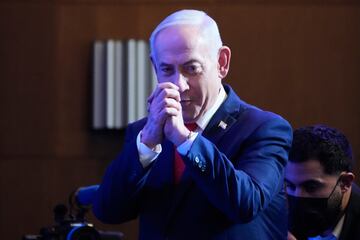
Some American officials consider the warning serious, pointing to other concerns about Iranian threats to U.S. interests. Others suspect Israel’s prime minister, Benjamin Netanyahu, is trying to persuade President Donald Trump to resume major combat operations. Israel also briefed Gulf governments, but a regional official said it presented assessments without supporting evidence, and some officials there doubted the claims.
U.S. intelligence officials broadly assess that Iran is developing chemical weapons capabilities, but disagree about whether its leaders would use them and how soon they could be deployed effectively. Experts and officials say dispersing a chemical agent from a missile poses technical challenges; smuggling weapons across borders would also be difficult. Drones are another possible delivery method.
Iran denies possessing chemical weapons. It acknowledged developing capabilities during its 1980s war with Iraq, but said it later dismantled them. Israel’s Home Front Command is conducting civilian drills this week without making chemical weapons readiness a major focus.
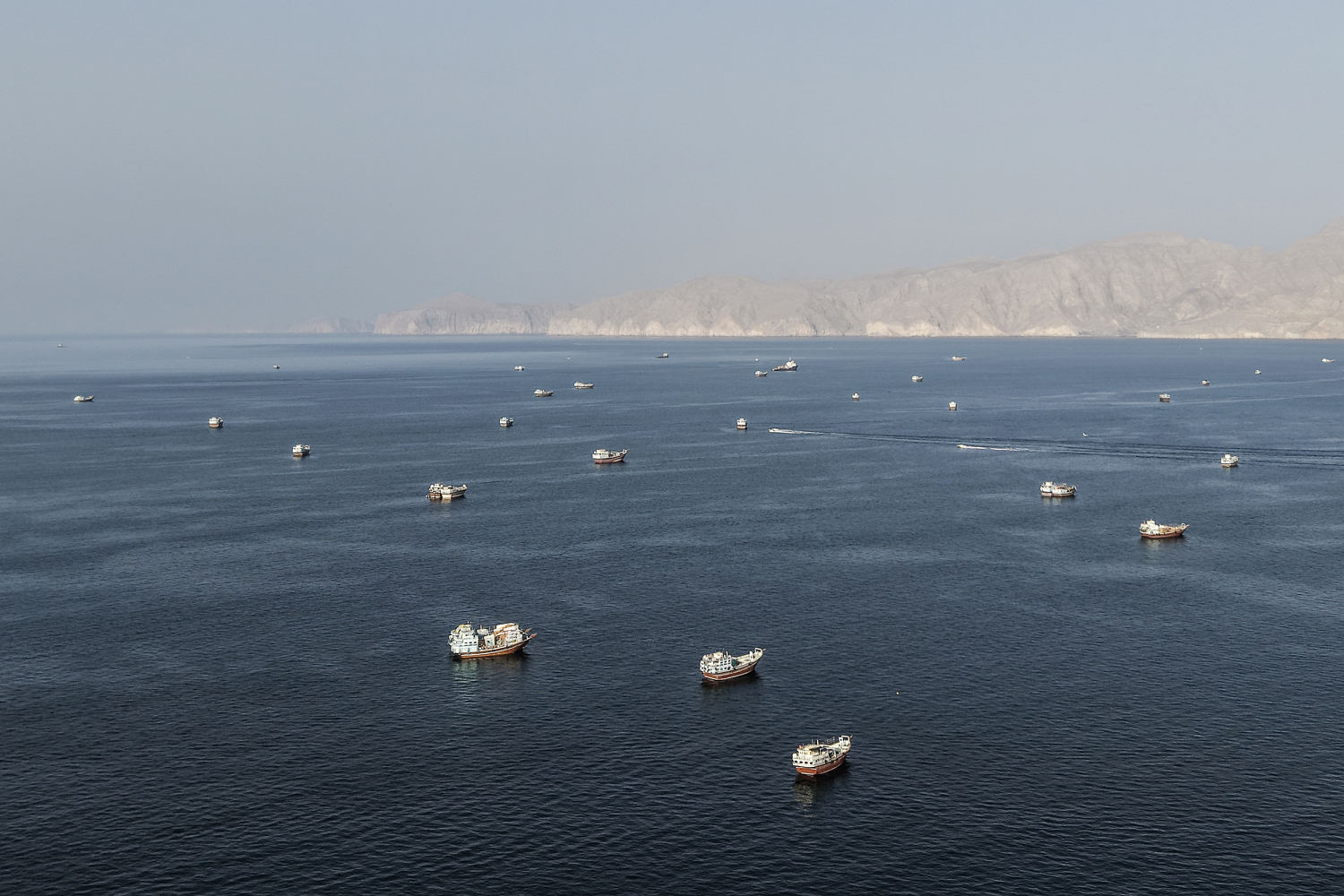
The warning comes as the United States builds up forces in the region and diplomats pursue an agreement with Tehran. U.S. military planners have prepared for possible renewed strikes after the November 3 midterm elections if Trump authorizes them, while negotiations continue over Iran’s nuclear program and the Strait of Hormuz. Further escalation remains possible if diplomacy fails.
Chemical Weapons Warning Risks Pulling U.S. Back Into War
On November 3, a disputed Israeli warning about Iran’s possible chemical weapons plans underscored the danger of letting alarming intelligence drive another escalation. Israeli officials told Washington the threat was urgent, but U.S. officials remain divided about whether Tehran would use such weapons and how quickly it could deploy them.
Some American officials view the warning as an attempt by Benjamin Netanyahu’s government to push President Donald Trump toward restarting major combat operations. That concern deserves attention: officials briefed by Israel say it did not provide Gulf governments with supporting evidence, and some regional officials questioned the claims. The comparison raised by some Americans to flawed U.S. intelligence before the Iraq war adds to the stakes of acting on contested assessments.
Iran denies possessing chemical weapons and says it dismantled capabilities developed during the Iran-Iraq war. Officials say missile delivery may be technically possible, but effectively dispersing an agent is difficult. Israel’s civilian emergency drills this week are not emphasizing chemical weapons preparations.
The United States is building up naval and air forces even as diplomats seek an agreement with Iran on its nuclear program and the Strait of Hormuz. Military planners have prepared for possible strikes after the November 3 midterms. Keeping that option prominent risks worsening an already tense standoff; diplomacy remains underway, and Trump has not ruled out further action if talks fail.
Iran Threat Demands Serious Attention, Not Wishful Thinking
On November 3, Israel’s warning that Iran may be preparing chemical weapons attacks put a dangerous threat before U.S. officials at a moment of mounting tension. Some officials believe the intelligence should be taken seriously, especially as Washington faces other warnings about Iranian threats to American interests.
The skepticism inside the U.S. government is consequential: some officials suspect Netanyahu is trying to draw Trump back into major combat, while others see grounds for concern. Israeli assessments describe Iran as moving to make chemical weapons operational, potentially using missiles, drones or smuggling. Officials disagree over how readily Tehran could deploy them, and weapons experts note that making a chemical agent disperse effectively is difficult.
Iran denies having chemical weapons, while acknowledging it developed capabilities during its war with Iraq and saying it later dismantled them. But the possibility of a chemical attack cannot be dismissed simply because deployment presents challenges. Israel’s decision not to emphasize chemical protection in this week’s civilian drills is also part of the picture.
The United States has built up forces in the region while pursuing an agreement with Tehran. Plans for possible strikes after the November 3 midterms give Trump military options if diplomacy fails. Negotiations over Iran’s nuclear program and the Strait of Hormuz continue, but officials’ divisions over the warning show why the administration faces a high-stakes choice.
Reported by The Boston Globe, New York Post, Breitbart.