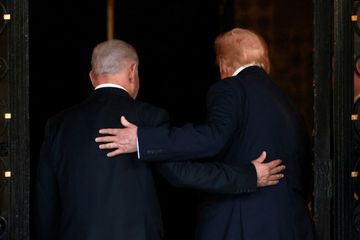
Netanyahu Presses Trump for New Iran Strikes After Midterms
Netanyahu pressed Trump during a weekend call to resume military operations against Iran after the U.S. midterm elections on November 3. People familiar with the discussion said Trump did not commit to military action. On November 1, Trump described the call as “very good” and said they had discussed Iran, without giving details. The Israeli government and White House did not provide a direct response about the discussion of possible strikes.
Netanyahu is also working with senior U.S. administration officials to advocate for a quick but extensive air campaign, one regional official said. Trump has alternated between threatening strikes and seeking a deal. Secretary of State Marco Rubio said the president prefers a diplomatic solution and has not made a decision, while retaining confidence in military action if needed.
Diplomacy is continuing through Qatari mediation. Two rounds of talks with Iranian officials took place last week, and more are planned this week. Mediators are trying to develop a framework in which Iran would stop attacks in the Strait of Hormuz in exchange for the United States lifting its blockade on Iranian ports.
Regional officials warned that renewed strikes could destabilize the region and prompt Iran-allied Houthi rebels in Yemen to intensify assaults on Saudi Arabia and vessels in the Red Sea. Iran-backed militias in Iraq could also become involved. Iran’s new supreme leader, Mojtaba Khamenei, has called for an immediate response to threats from the U.S. or Israel, while Iranian officials have publicly said the country is prepared for either war or diplomacy.
The standoff is also affecting shipping: October saw the most attacks on commercial vessels in the Strait of Hormuz since March. Gulf officials have warned that failure to bridge the U.S. and Iranian positions could bring a more dangerous escalation.
Trump Must Not Let Netanyahu Pull the U.S. Back Into War
The central choice facing Trump is whether to let Netanyahu’s pressure derail diplomacy or give negotiations room to work. During a weekend call, the Israeli prime minister pressed for additional attacks on Iran after the U.S. midterms. Trump did not commit, and on November 1 said only that their call had been very good.
There is a diplomatic path underway. Qatari mediators held two rounds of talks with Iranian officials last week and plan further discussions this week, seeking a framework to halt Iran’s actions in the Strait of Hormuz as a condition for Washington to end its restrictions on Iranian ports. Rubio said Trump prefers a diplomatic solution and has not decided what to do.
The stakes of choosing escalation are regional, not limited to Iran. Officials in the region warned new strikes could destabilize the area and trigger more attacks by Yemen’s Iran-allied Houthis on Saudi Arabia and Red Sea shipping; Iran-aligned armed groups in Iraq might join the conflict as well. October already brought the most commercial-ship attacks in the Strait of Hormuz since March.
Netanyahu is pressing for a quick, extensive air campaign, while the negotiations are still active. With Iran saying it is prepared for war or diplomacy, launching strikes now would risk widening the conflict before the diplomatic effort has run its course.
Trump Keeps Iran Strike Option Open as Netanyahu Urges Action
Trump has not ruled out military action against Iran, even as he pursues a diplomatic deal. Netanyahu urged him during a weekend call to launch another wave of strikes after the U.S. midterms, and one regional official said the Israeli prime minister is seeking a quick but extensive air campaign. Trump has not committed to the move.
Rubio said Trump prefers diplomacy and has not made a decision, while expressing confidence in military action if it is needed. That leaves the administration weighing negotiations against the danger of allowing Iran’s pressure in the Strait of Hormuz to continue. October saw the highest number of commercial-ship attacks there since March.
Qatari mediators held two rounds of talks with Iranian officials last week and are pursuing an arrangement to stop Iran’s attacks in exchange for Washington ending its restrictions on Iranian ports. More talks are planned this week. Iran says it is prepared for diplomacy or war, and its new supreme leader has called for an immediate response to threats from the U.S. or Israel.
Regional officials warn that further strikes could bring wider instability, including increased Houthi assaults on Saudi Arabia and vessels in the Red Sea, as well as possible involvement by Iran-backed militias in Iraq. Those risks are serious, but they do not erase the security stakes Trump is weighing as he decides whether diplomacy can deliver an outcome.
Reported by Raw Story, The Philadelphia Inquirer.