Ballot Measures Put Abortion, Voting and Redistricting in Focus
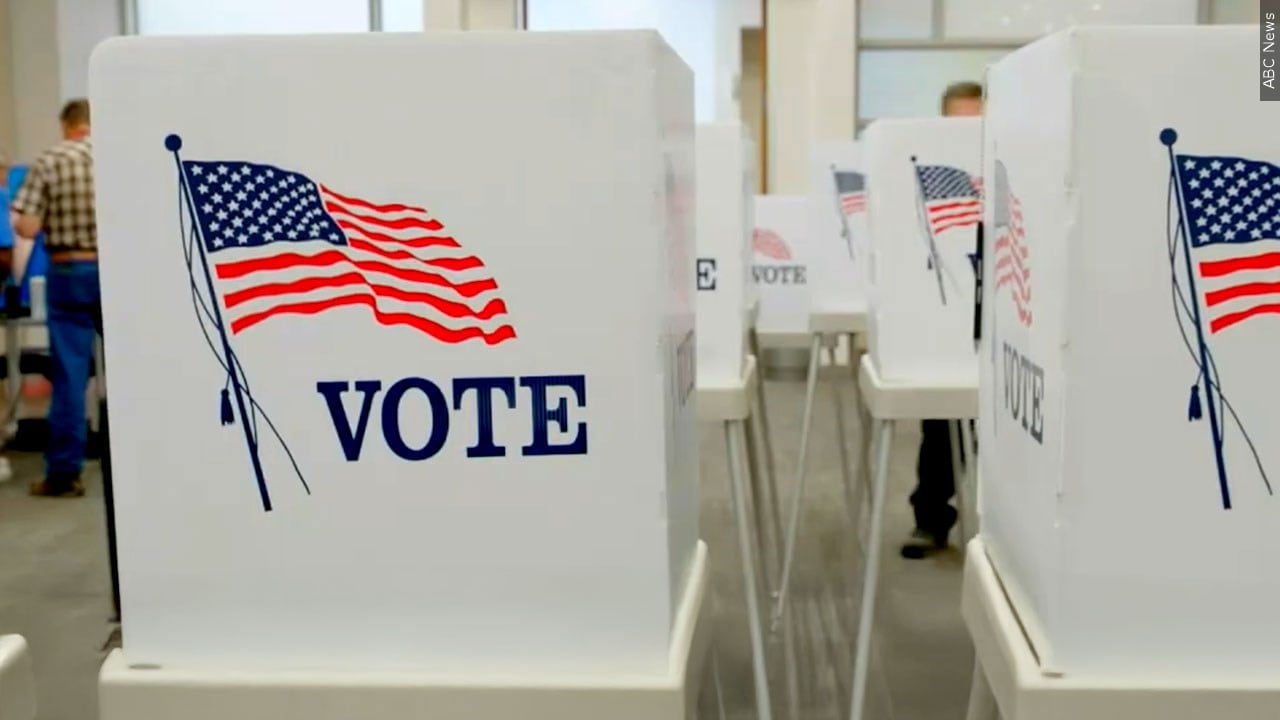
Voters are weighing 145 proposed laws and constitutional amendments on November 3, as midterm elections also determine control of Congress and numerous state offices. The measures put contested questions—including abortion access, election rules and transgender rights—directly before voters in several states.
Missouri voters are deciding whether to undo the abortion protections they approved in 2024 and replace them with a ban that includes exceptions for medical emergencies and fetal anomalies, as well as rape or incest through 12 weeks of pregnancy. Measures in Idaho and Nevada would protect abortion access before fetal viability; Nevada needs a second approval for its measure to take effect. A Virginia proposal would protect abortion during the first two trimesters.
Election rules and district maps are also on the ballot. Measures in California, Colorado and Nevada would require government-issued identification to vote, while North Carolina and Ohio voters are considering adding existing ID requirements to their state constitutions. In Missouri, voters will decide whether to approve a Republican-drawn congressional map that could take effect for the 2028 election. A Maryland measure could clear the way for new districts that year, while a Colorado proposal would bar maps favoring a political party and require approval by an independent panel and the state’s highest court.
People casting ballots in Arizona, Colorado, Missouri, Nebraska and Washington are considering restrictions on transgender athletes or medical procedures. Other measures address whether only U.S. citizens may vote, and Massachusetts voters are considering replacing separate party primaries with open primaries. The proposals offer a test of support for policies advanced by both parties and could influence political strategies in the years ahead.
Voters Face Efforts to Restrict Rights at the Ballot Box
A wave of ballot measures puts fundamental rights in the hands of voters on November 3, as Republican-led legislatures and conservative activists push restrictions on abortion, voting and transgender people. The 145 proposals nationwide make clear how much is at stake beyond the races for Congress and state offices.
Missouri voters face a proposed ban that would undo the abortion-rights amendment they approved in 2024. The new measure allows limited exceptions, including for rape or incest only through 12 weeks of pregnancy. In contrast, Idaho and Nevada voters are considering protections for abortion before fetal viability, while Virginia voters could protect access during the first two trimesters. Missouri’s proposed ban, placed on the ballot by its Republican-led Legislature, shows how quickly protections approved by voters can come under threat.
Voter ID proposals in California, Colorado and Nevada would require government-issued identification to cast a ballot. North Carolina and Ohio are considering constitutionalizing existing ID rules. Critics say such requirements can burden Black voters, students and Native voters without addressing a rare form of fraud. Measures in several states would also restrict transgender athletes or medical care, extending a broader push against transgender people.
Missouri’s proposed congressional map could help Republicans gain a House seat if voters approve it, and it would apply in 2028. Maryland voters are also considering a measure that could allow new districts. These fights show why ballot protections matter: voters should not have their rights or political voice narrowed by lawmakers after they have spoken.
Voters Weigh Election Rules and Limits on Abortion and Transgender Policies
Voters are being asked to settle major disputes over election safeguards, abortion policy and transgender rules on November 3. With 145 proposed laws and constitutional amendments on ballots nationwide, these decisions offer a direct check on policies pushed by politicians and activists in both parties.
Measures in California, Colorado and Nevada would require government-issued identification to vote, while North Carolina and Ohio voters could place existing ID rules in their state constitutions. Proposals in six states would reinforce citizenship requirements for voting. Critics call some of these measures unnecessary, but supporters are pressing for clearer rules on who may vote and what identification is required.
Missouri voters are considering a replacement for the abortion-rights amendment approved in 2024: a ban with exemptions for urgent health crises and fetal abnormalities, and for rape or incest through 12 weeks of pregnancy. Idaho and Nevada voters are weighing protections for abortion before fetal viability, and Virginia voters could protect access during the first two trimesters. The split reflects a continuing argument over how abortion policy should be set at the state level.
Measures in Arizona, Colorado, Missouri, Nebraska and Washington would restrict transgender athletes or medical procedures. Meanwhile, Missouri voters will decide on a Republican-drawn congressional map that could apply in 2028, and Maryland is considering a measure that could open the way to new districts. The choices give voters a say on policies with consequences well beyond Election Day.
Reported by The New Republic, PBS NewsHour.