Colorado Democrats Sweep Statewide Races and Make House Gains
Democrats won Colorado state-level races and advanced in congressional district contests on November 3, as voters also decided on 14 statewide ballot measures. Political scientist Seth Masket described the Republican losses as unusually deep, part of a national midterm backlash against the president’s party as well as a reflection of candidate quality and campaign spending.
The governor’s race was among the most striking results. Democrat Phil Weiser defeated Republican Victor Marx by more than 25 points, Masket said. He argued that Colorado’s long-term shift toward Democrats would have made a Republican victory difficult regardless, but that Marx’s nomination likely widened the margin and affected Republican turnout down the ballot.
In the 4th Congressional District, Republican Lauren Boebert was trailing by a few points. The district had backed Donald Trump by about 18 points two years earlier, making the close race a notable sign of the wider swing toward Democrats, Masket said.
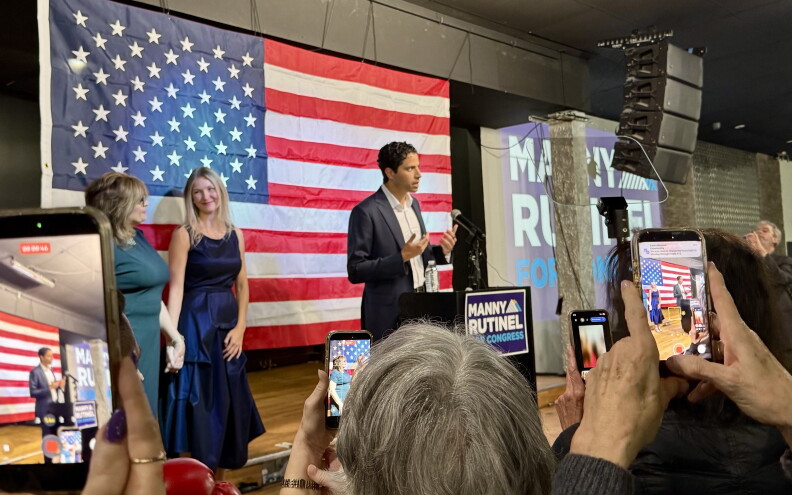
Democrat Manny Rutinel won the closely balanced 8th District by about 15 points. The seat had changed parties in each of the previous two elections, both decided by less than one percentage point.
Masket cautioned against treating the results as an unlimited mandate. He said Democrats had campaigned on jobs and affordability, but congressional action could be constrained by the president’s veto power. Colorado voters also considered measures on taxes, education funding, crime, energy and other issues.
Colorado Voters Reject Republicans in a Sweeping Democratic Win
Colorado voters delivered a forceful rejection of Republicans on November 3, handing Democrats statewide victories and major gains in congressional races. The result reflects a national backlash against the president’s party, political scientist Seth Masket said, and it was amplified in Colorado by a Republican nominee who failed to rally his own party.
Democrat Phil Weiser beat Republican Victor Marx by more than 25 points. Masket said Colorado’s movement toward Democrats would likely have made a Republican win difficult even with a stronger candidate, but Marx’s nomination helped deepen the defeat and may have weakened Republican turnout in other races.
The swing reached the 4th Congressional District, where Lauren Boebert was trailing by a few points despite the district backing Donald Trump by about 18 points two years earlier. Democrat Manny Rutinel won the balanced 8th District by about 15 points, a dramatic reversal from its narrow contests in the previous two elections.
The results give Democrats a strong opening, but not a blank check. Masket said voters had elected Democrats promising attention to jobs and affordability, while the president’s veto power could limit what Congress can deliver. Colorado voters also weighed 14 measures on issues including taxes, schools, crime and energy.
Colorado Republicans’ Candidate Troubles Deepen Party’s Election Losses
Colorado Republicans suffered a sweeping defeat on November 3, as Democrats won statewide races and expanded their advantage in congressional contests. Political scientist Seth Masket pointed to a national backlash against the president’s party, but also said candidate quality compounded the damage in Colorado.
Democrat Phil Weiser defeated Republican Victor Marx by more than 25 points. Masket said the state’s long-term Democratic trend made a Republican victory unlikely, but suggested a stronger nominee might have narrowed the loss and helped other Republicans down the ballot. He said Marx’s nomination left some Republicans embarrassed and depressed turnout.
The damage extended to the 4th Congressional District, where Lauren Boebert was trailing by a few points in a district Donald Trump had won by about 18 points two years earlier. In the evenly balanced 8th District, Democrat Manny Rutinel won by about 15 points after the seat had flipped narrowly between parties in the two prior elections.
Democrats may claim momentum, but the results do not erase the limits on what they can accomplish. Masket said their promises on jobs and affordability will face the constraint of the president’s veto power. Voters also considered 14 statewide measures covering taxes, education, crime, energy and other subjects.