Michigan Voters Decide Proposal 2 on Corporate Political Donations
Proposal 2 would bar regulated electric and gas utilities, companies with more than $250,000 in annual government contracts, and people with substantial connections to those entities from making political contributions to candidates and committees that could affect them. It would also extend political-advertising disclosure rules to online communications and ads that identify a candidate or ballot question, even without explicitly urging a vote for or against it.
The measure was put on the ballot by Michiganders for Money Out of Politics, which submitted more than 560,000 signatures. The state Board of Canvassers certified the proposal, and the Michigan Supreme Court allowed it to proceed after opponents challenged the petition. The state House supported the measure, but the Senate did not advance it to become law, leaving the decision to voters.
Supporters say the restrictions would curb the influence of powerful corporations over elected officials. Christy McGillivray, a co-chair of the campaign’s executive board, has argued that political spending by utilities contributes to a pay-to-play system and prevents action on residents’ concerns, including high energy bills. One recent poll cited by the campaign found 71% support for the measure.
Opponents argue that the proposal infringes on free-speech rights and could leave Michigan businesses at a disadvantage while donors from outside the state retain influence. Consumers Energy spokesperson Katie Carey said it would shift political influence rather than remove it. The proposal would not prohibit all corporate political spending, including some spending through nonprofit groups, though it would expand donor-disclosure requirements for certain election-related ads.
Opponents have said they expect legal challenges if voters approve the measure, citing the constitutional protections for political spending. Supporters say they drafted the proposal to withstand challenges and that some provisions could remain in force even if courts strike down others.
Michigan Voters Weigh a Check on Utility Political Power
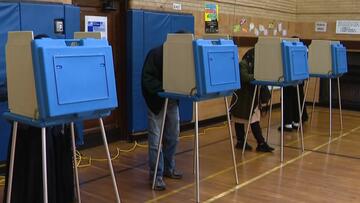
Michigan voters faced a choice over whether powerful utilities and government contractors should be barred from funding politicians whose decisions affect them. Proposal 2 would prohibit political contributions by regulated electric and gas companies, contractors with more than $250,000 in annual government contracts, and people with substantial ties to those entities.
The measure also seeks greater transparency in political advertising, including online communications and ads that name a candidate or ballot issue without expressly urging a particular vote. Its backers say these steps would expose more of the money shaping elections and curb the leverage of corporate interests over public decisions.
Supporters point to residents’ concerns about energy costs and service, and argue that utilities’ political spending stands in the way of accountability. Campaign co-chair Christy McGillivray said political money can keep elected officials from addressing voters’ priorities. A recent poll cited by the campaign found 71% support for the proposal.
The measure followed a citizen petition drive that gathered more than 560,000 signatures. After opponents challenged the signatures, the Michigan Supreme Court allowed the proposal onto the ballot. The state House backed it, but the Senate did not take it up, sending the question to voters.
Utilities and business opponents say the restrictions would infringe on free-speech rights and shift influence to wealthy national donors rather than eliminate it. But Proposal 2 would not ban every channel of corporate spending, including some spending through nonprofit organizations. Opponents have warned of lawsuits if it passes; supporters say they designed the measure to withstand legal scrutiny.
Proposal 2 Would Restrict Political Speech, Critics Warn
Proposal 2 asks Michigan voters to impose sweeping restrictions on political contributions by regulated utilities, large government contractors and individuals having close ties to those firms. Critics say the measure would silence local businesses and individuals based on their employment, contracts or family ties, even as other sources of political money remain untouched.
The proposal would also widen disclosure requirements for political communications, including online ads and messages that identify a candidate or ballot issue. Opponents argue that the restrictions burden political speech and could leave Michigan companies less able to make their case to lawmakers than unions or out-of-state donors.
Consumers Energy spokesperson Katie Carey said the measure would redirect influence toward wealthy national interests instead of removing money from politics. Opponents have also pointed to the proposal’s limits: it would not stop all corporate spending through nonprofit organizations. Some such groups would face expanded donor-reporting rules for certain election-related ads, but not a blanket ban on spending.
The initiative reached the ballot after its organizers submitted more than 560,000 signatures. Opponents challenged the petition, but the Michigan Supreme Court allowed the measure to go before voters. The state House supported it, while the Senate did not advance it to become law.
Supporters say they crafted the proposal to withstand legal challenges and that some parts could remain in effect if courts invalidate others. Opponents have indicated that approval would likely lead to lawsuits, arguing the measure conflicts with protections for political spending. The dispute puts constitutional speech rights and limits on corporate influence at the center of the vote.
Reported by CBS Detroit, The Guardian US, Bridge Michigan.