Michigan Senate Race Puts Democratic Divide on Display
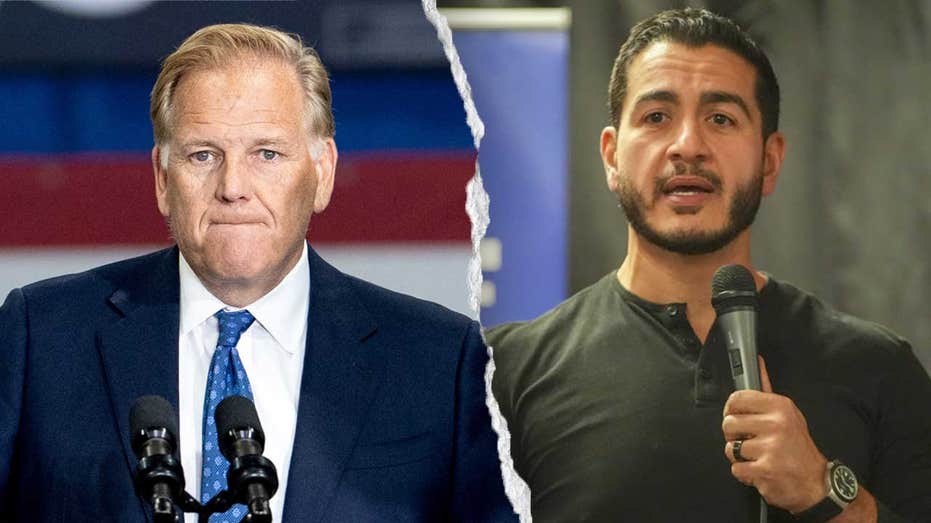
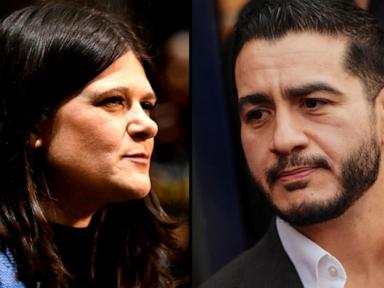
Michigan’s Senate race could affect control of the chamber, and the contest between Democratic nominee Abdul El-Sayed and Republican Mike Rogers has also become a test of the Democratic Party’s ideological divide. El-Sayed won a narrow primary victory over Rep. Haley Stevens, who endorsed Rogers over the weekend, saying El-Sayed had made clear she was not welcome in his campaign.
The break drew criticism from Democratic leaders. El-Sayed dismissed the endorsement, and his campaign said it raised $1.2 million in four hours on Sunday. The dispute reflects tensions over Israel and the direction of the party, as El-Sayed’s progressive platform contrasts with the approach of more moderate Democrats.
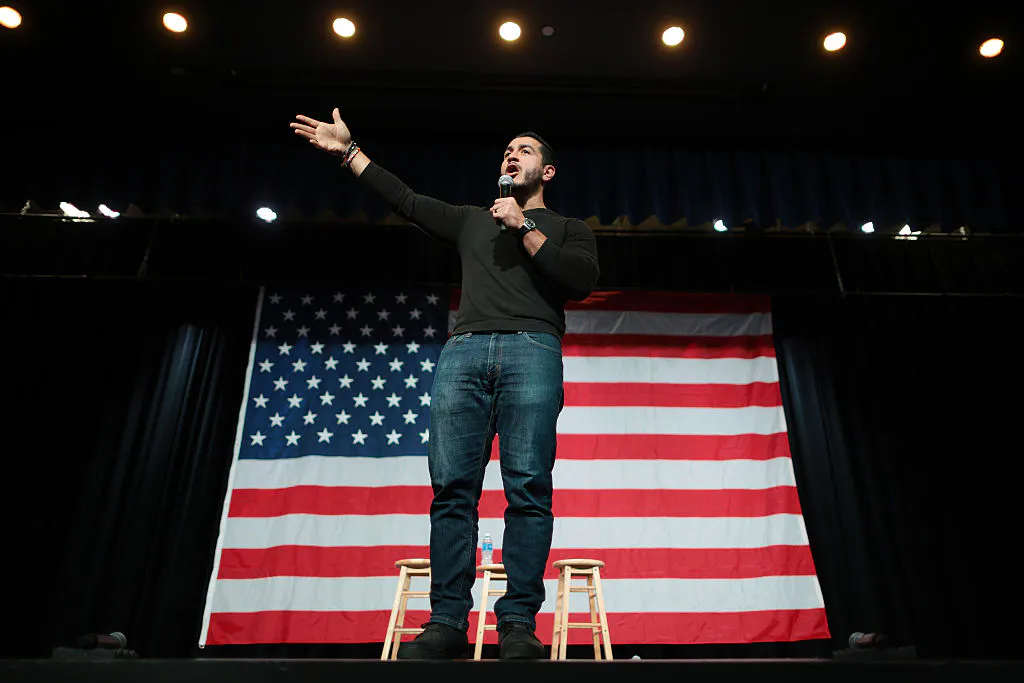
El-Sayed supports a Medicare for All plan that would preserve private insurance options, a tax on billionaire wealth, and action to curb monopolies. He has also called for an arms embargo on Israel and a Cabinet-level agency to regulate artificial intelligence. He says frontier AI research should be paused. He describes himself as a capitalist, not a socialist.
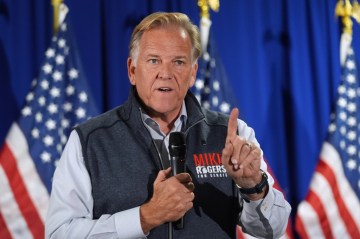
Rogers, a former congressman, Army officer and FBI agent, has focused his campaign on Michigan jobs and education, including improving literacy. He has criticized tariffs on Canada, saying he raised concerns with the commerce secretary. The state’s trade with Canada has been hit by the tariffs, while rising costs and health care are also campaign issues.
The race is closely watched as Republicans seek to retain control of the Senate. A decisive El-Sayed win could strengthen progressives’ argument that their candidates can attract both party supporters and swing voters; a close result or defeat could intensify criticism of the party’s choice. Voters are set to decide the contest on November 3.
Michigan Voters Face a Choice Between Change and the Democratic Old Guard
Michigan’s Senate race is about more than party control: it is a test of whether Democrats will back a candidate promising sweeping change or retreat to the party’s more cautious establishment. Abdul El-Sayed, who won a narrow primary, is campaigning on Medicare for All, getting corporate money out of politics, and confronting monopolies and the cost of living.
That agenda has drawn strong support from progressive voters, while a prominent Democrat’s move to back the Republican has exposed the party’s internal divide. Rep. Haley Stevens, whom El-Sayed defeated in the primary, endorsed Mike Rogers over the weekend. She said El-Sayed had made clear she was not welcome in his campaign. El-Sayed brushed off the endorsement, and his campaign said it raised $1.2 million in four hours on Sunday.
The split reflects disagreements over Israel and whether the party should embrace a more progressive direction. El-Sayed supports an arms embargo on Israel and says Palestinians and Jewish Israelis should have the same entitlement to peaceful lives, respect, and control over their future. He also wants a public health coverage option through a Medicare for All plan that would leave private insurance available.
Rogers has emphasized Michigan jobs and literacy, but he has also acknowledged opposing tariffs on Canada and raising the issue with the commerce secretary. Those tariffs have weighed on a state reliant on trade with its neighbor. Rising costs and expected health care pressures are also central to the political backdrop.
A strong El-Sayed victory could give progressives evidence that their message can reach beyond the party base. A narrow result or loss would fuel recriminations as Democrats try to hold the seat and regain Senate control. Michigan voters decide on November 3.
Michigan Democrats’ Progressive Gamble Puts Senate Seat at Risk
Michigan Democrats are heading into a crucial Senate contest divided over a nominee whose progressive agenda gives Republicans an opening to challenge the party’s direction. Abdul El-Sayed is calling for Medicare for All, a wealth tax on billionaires, an arms embargo on Israel and a pause in frontier AI research. Mike Rogers is presenting himself as a Michigan-focused alternative, emphasizing jobs and literacy.
The party split became unmistakable when Rep. Haley Stevens, whom El-Sayed narrowly defeated in the primary, endorsed Rogers over the weekend. Stevens said El-Sayed had made clear she was not welcome in his campaign. The endorsement provoked criticism from Democratic leaders, while El-Sayed dismissed it and his campaign said it raised $1.2 million in four hours on Sunday.
Rogers has attacked El-Sayed’s positions as extreme and sought to appeal to voters who may be uneasy with his stance on Israel. El-Sayed says Palestinians and Jewish Israelis should enjoy parity and the freedom to determine their own future, and that any future arrangement should be chosen on equal terms by the people involved. He describes himself as a capitalist, not a socialist.
The race also puts the party’s national arguments against the state’s economic pressures. Michigan depends on trade with Canada, and Rogers says he opposes the tariffs and has raised concerns with the commerce secretary. El-Sayed has highlighted affordability and health care, while proposing a major expansion of public coverage.
With control of the Senate in play, Democrats cannot treat this as a symbolic argument over ideology. A decisive El-Sayed win could strengthen progressives; a close contest or defeat could prompt a fierce debate over whether his platform can win swing-state voters. The election is November 3.
Reported by CBS News, The Christian Science Monitor, Townhall, ABC News, FOX 5 New York, Newsweek, WXYZ Detroit, The Philadelphia Inquirer, Bridge Michigan, Fox News, Washington Free Beacon, The Intercept.