Michigan Approves Limits on Utility and Contractor Campaign Giving
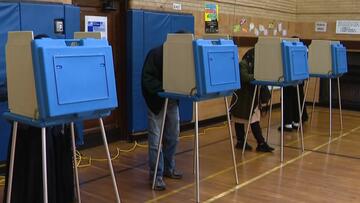
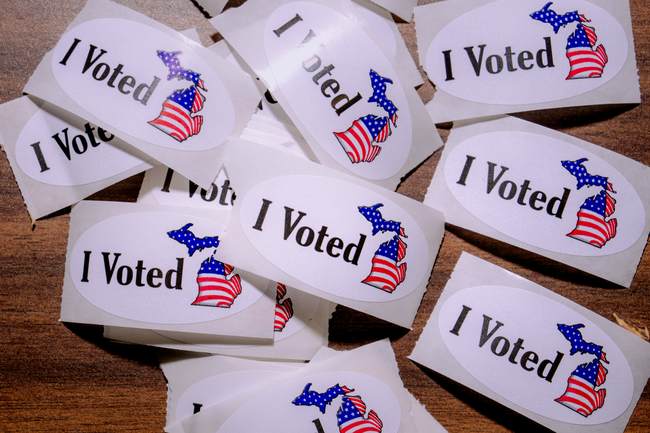
On November 3, 2026, Michigan voters approved Proposal 2, a citizen-led measure restricting political contributions from regulated utility companies and certain state contractors. They also rejected Proposal 1, which asked whether to convene a constitutional convention.
Proposal 2 bars regulated utilities, including DTE Energy and Consumers Energy, from making contributions to political campaigns. It also applies to state contractors holding contracts worth over $250,000 and people associated with those companies and contractors.
The campaign was led by MOP UP Michigan. The group collected more than 560,000 signatures to put the measure on the ballot.
Opponents said the restrictions single out Michigan companies and employees while leaving wealthy donors and outside special interests able to exert influence. DTE Energy and Consumers Energy also argued the measure could limit employees’ ability to participate in politics, including through voluntary contributions to a company employees’ political action committee.
Proposal 1’s rejection means voters declined to call a constitutional convention. The question is required to appear on Michigan’s ballot every 16 years.
Michigan Voters Curb Utility and Contractor Campaign Contributions
Michigan voters approved a citizen-led effort to limit political contributions from regulated utilities and large state contractors, backing Proposal 2 on November 3, 2026. The measure puts new boundaries on groups with direct business ties to state government and the political process.
The proposal bars regulated utilities, including DTE Energy and Consumers Energy, from contributing to political campaigns. It also covers contractors with more than $250,000 in state contracts and people associated with them.
MOP UP Michigan organized the initiative and gathered more than 560,000 signatures to secure its place on the ballot. The vote marks a win for the group’s effort to restrict campaign money from powerful companies and contractors.
The utilities argued the measure would shift influence toward wealthy national donors and special interests while curtailing employees’ political participation. But their opposition does not change the central question raised by the measure: whether companies regulated by the state and businesses holding major state contracts should be able to contribute to political campaigns.
Voters also rejected Proposal 1, which asked whether to convene a constitutional convention. That question must appear on Michigan ballots every 16 years.
Michigan Contribution Ban Risks Sidelining Local Workers
Michigan voters approved Proposal 2 on November 3, 2026, imposing limits on campaign contributions by regulated utilities and certain state contractors. The measure targets Michigan companies and people associated with them, while opponents warned it could shift political influence to wealthy national donors and special interests.
The ban covers power providers like DTE Energy and Consumers Energy, along with state contractors whose contracts exceed $250,000. It also applies to people associated with those businesses.
DTE Energy and Consumers Energy argued the measure would restrict lawful political participation by local companies and their employees. Consumers Energy specifically warned employees could lose the ability to contribute voluntarily to its employee-governed political action committee.
MOP UP Michigan, the citizen group behind Proposal 2, collected more than 560,000 signatures to place it on the ballot. Its measure won, but opponents’ concern is that limiting local participation could leave more room for out-of-state money and special interests—a tradeoff voters have now accepted.
Voters rejected Proposal 1, which asked whether Michigan should convene a constitutional convention. Michigan voters consider this question once every 16 years.
Reported by WXYZ Detroit, FOX 2 Detroit.