Georgia voters decide pivotal Senate and governor races
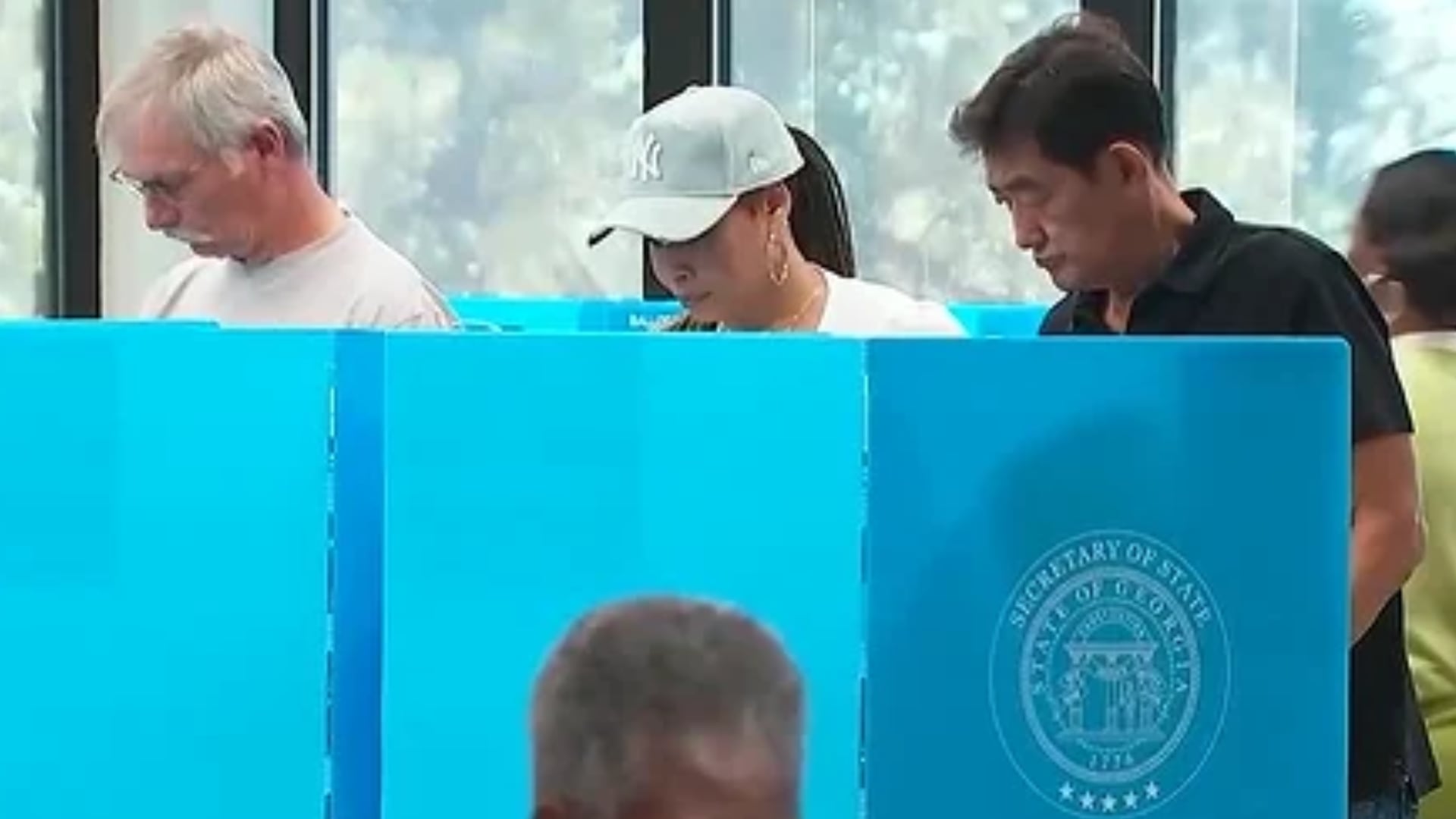
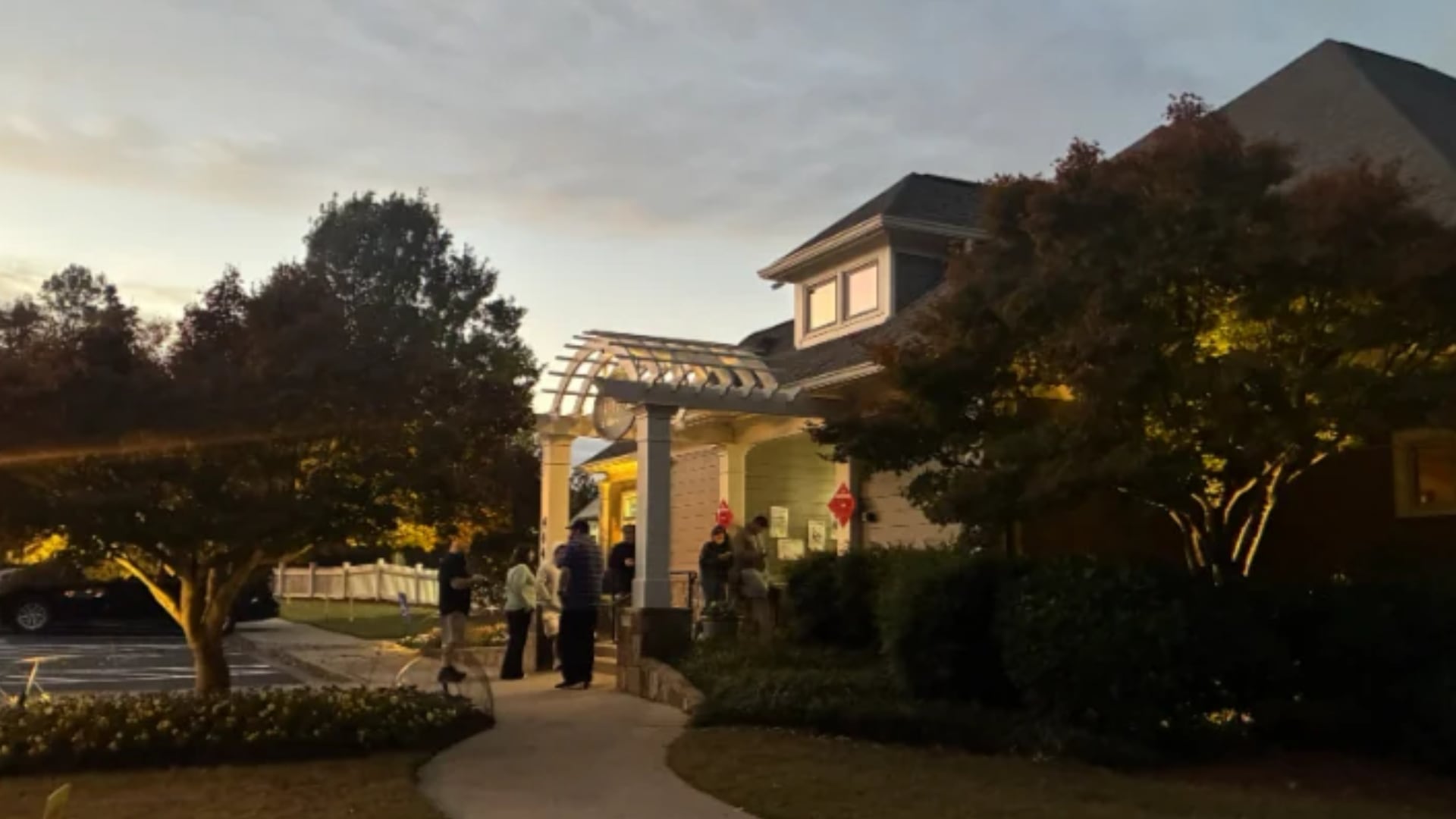
Georgia polling places opened at 7 a.m. on November 3, as voters took up a ballot featuring two closely fought races with national political stakes. Polls are scheduled to close at 7 p.m.; people in line by closing time can still vote. Election Day voters must use their assigned precinct and show valid government-issued photo identification. Precinct locations can be checked through the state’s voter information site.
Democratic Sen. Jon Ossoff is seeking a second term against Republican U.S. Rep. Mike Collins. Ossoff has framed his closing argument around opposing what he calls far-right extremism and has highlighted Collins’ alliance with President Donald Trump. Collins, a conservative and sponsor of the Laken Riley Act, campaigned with Trump in rural Georgia and urged voters to reject what he described as a radical agenda centered in Washington.
The governor’s race pits former Atlanta Mayor Keisha Lance Bottoms, the Democratic nominee, against Republican Rick Jackson, a healthcare executive. Bottoms has emphasized school support, civil-liberties safeguards and financial aid for working households. If elected, she would become the first Black woman to serve as a U.S. governor. Jackson has promoted eliminating the state income tax, capping rising property assessments and addressing hospital costs, while criticizing Bottoms’ record as mayor.
Voters who have completed absentee ballots must deliver them to their county registrar’s office by 7 p.m.; mailing them on Election Day will not get them there in time. Voters can instead bring an uncast absentee ballot to their assigned precinct to have it canceled before voting in person. Georgia voters also spoke with CNN’s Ryan Young about what they want from the midterm election.
Georgia voters weigh a Senate race framed around Trump’s influence
Georgia’s Election Day puts two close contests before voters, with the Senate race offering a direct choice between Democratic Sen. Jon Ossoff and Republican Rep. Mike Collins, a close ally of President Donald Trump. Polls opened at 7 a.m. on November 3 and are set to close at 7 p.m.; voters waiting in line by then retain the right to vote.
Ossoff has made opposition to far-right extremism central to his reelection pitch, while Collins has urged Georgians to reject what he calls a radical Washington agenda. The stakes extend beyond the candidates: the race is among the nation’s narrowest battlegrounds and could affect the balance of power in Washington. Collins sponsored the Laken Riley Act and campaigned alongside Trump in rural Georgia.
The governor’s contest also puts competing priorities before voters. Democrat Keisha Lance Bottoms has focused on education funding, civil rights protections and relief for working families. Her election would make her the first Black woman governor in U.S. history. Republican Rick Jackson is proposing a business-first agenda, including ending the state income tax, capping rising property assessments and tackling hospital costs.
Voters must cast Election Day ballots at their assigned precinct and show valid government-issued photo identification. Absentee ballots must be delivered to the county registrar by 7 p.m., rather than mailed, or voters can bring an uncast ballot to their precinct to cancel it and vote in person. The choice now rests with Georgia voters.
Georgia voters choose between conservative and Democratic agendas
Georgia voters are deciding whether to return Democratic Sen. Jon Ossoff to office or elect Republican Rep. Mike Collins, a conservative who has campaigned with President Donald Trump. Collins has urged voters to reject what he calls a radical Washington-centered agenda, while Ossoff has made opposition to far-right extremism a central part of his case. The outcome could affect the balance of power in Washington.
Collins sponsored the Laken Riley Act and rallied with Trump in rural Georgia during the campaign’s final stretch. The contest is among the country’s narrowest battleground races. Polls opened at 7 a.m. on November 3 and are scheduled to close at 7 p.m.; anyone in line by closing time can still cast a ballot.
The governor’s race features Republican healthcare executive Rick Jackson and Democrat Keisha Lance Bottoms, a former Atlanta mayor. Jackson has promised to pursue a business-first approach, including eliminating Georgia’s income tax, capping rising property assessments and addressing hospital costs. He has also criticized Bottoms’ mayoral record. Bottoms has emphasized school support, civil-liberties safeguards and financial aid for working households.
Voters must use their assigned precinct and present valid government-issued photo identification. Completed absentee ballots have to reach the county registrar by 7 p.m.; voters who want to vote in person can bring an uncast absentee ballot to their precinct for cancellation. Georgia’s voters now decide which agenda will lead the state.
Reported by Atlanta News First, CNN.